





Marathon success isn’t just built through training. Your fueling strategy, hydration plan, and recovery approach all play a critical role in maintaining energy, protecting performance, and helping you cross the finish line strong. This guide explains exactly how to fuel a marathon, hydrate effectively, and build a race-day nutrition plan that works. For a complete overview of running nutrition, visit our running hub.
Key Marathon Fueling Insight
Most marathon runners don’t fail because they aren’t fit enough. They slow dramatically because glycogen stores become depleted and fueling breaks down during the race. See our carbohydrate fuelling guide for a deeper look at managing glycogen.
The Importance of Fuel and Hydration for Marathoners
For any dedicated marathoner, understanding the profound impact of fuel and hydration is paramount. Whether you’re tackling early morning miles before work, pushing through long Sunday runs, or gearing up for the London Marathon season, your body’s energy reserves and fluid balance dictate your endurance and recovery. A well-executed marathon fueling strategy is not just about avoiding ‘hitting the wall’; it’s about sustaining peak performance from the start line to the very end, preserving muscle, and ensuring a smoother recovery process. For muscle preservation during high-mileage blocks, see our guide on protein for runners.
Understanding the Need to Fuel During a Marathon
The human body has limited glycogen stores, which are crucial for high-intensity, sustained exercise like a marathon. Without adequate in-race fueling, these stores deplete, leading to fatigue and a significant drop in performance. Your marathon nutrition plan should aim to provide a continuous supply of carbohydrates per hour, typically between 30 to 60 grams, sometimes even up to 90 grams for seasoned runners.
This constant influx of carbs, often delivered through energy gels, chews, or sports drinks, is essential to keep your muscles working efficiently and your mind focused, especially during challenging sections of the race. For more on carbohydrate strategy, see our carbohydrate fuelling for endurance guide.
| Runner Type | Recommended Carbs Per Hour |
|---|---|
| Recreational Marathon Runner | 30–60g |
| Experienced Marathon Runner | 60–90g |
| Elite & Highly Trained Athletes | Up to 90g+ |

Hydration Strategies for Optimal Performance
Proper hydration is just as critical as your carb intake. Dehydration can severely impair performance, leading to cramping, fatigue, and a reduced ability to regulate body temperature. A robust hydration strategy for optimal performance involves understanding your individual sweat rate during training runs. This allows you to tailor your fluid intake, ensuring you consume enough water and electrolytes to replace what’s lost. Consistently hydrating during training and having a clear race nutrition plan for fluid intake will help you perform at your best on race day.
Practical Takeaway
Don’t wait until you’re thirsty. Hydration should be proactive rather than reactive throughout both training and racing. Explore our electrolyte supplement range to find the right product for your training.
Creating an Effective Marathon Fueling Strategy
Choosing the Right Energy Gel
Selecting the ideal energy gel for your marathon can significantly impact your performance on race day. With a plethora of options available, it’s crucial to find a gel that provides the right amount of carbohydrates per hour and agrees with your stomach during intense running.
Experiment during your training runs with different brands and flavours, as well as the addition of electrolytes or even a small amount of caffeine. The goal is to discover a gel that delivers consistent energy without causing any gastrointestinal issues, allowing you to focus on your marathon pace. See our guide on what to eat before a run for pre-race meal ideas.
Incorporating Electrolytes into Your Hydration Plan
Electrolytes are absolutely vital for any marathoner, especially when you’re pushing through long runs or racing in warmer conditions. Your hydration strategy must go beyond just water; it needs to replace the sodium, potassium, and other crucial electrolytes lost through sweat. A quality electrolyte drink can provide these essential minerals.
Proper electrolyte balance is key to preventing dehydration, muscle cramps, and maintaining fluid balance throughout your marathon running. Practise with your chosen electrolyte source during training to ensure it works for you and seamlessly integrates into your race nutrition plan.
| Electrolyte | Primary Function |
|---|---|
| Sodium | Fluid balance & hydration |
| Potassium | Muscle contractions |
| Magnesium | Neuromuscular function |
| Calcium | Muscle signalling |
Timing Your Fueling
| Time | Nutrition Goal |
|---|---|
| 2–3 Hours Pre-Race | Low-fibre carbohydrate meal |
| 30 Minutes Before | Optional carbohydrate top-up |
| Every 20–30 Minutes | Regular carbohydrate intake |
| Immediately After | Recovery nutrition & hydration |
Real Scenarios: Fueling During Training and Race Day
Fueling Before Work
For sessions over 60 minutes, small carbohydrate-rich foods such as bananas, dates or toast can provide useful energy without causing digestive discomfort. See our full guide on what to eat before a run for more options.
Your Dress Rehearsal
Long Sunday runs are where marathon nutrition plans are tested and refined. Every gel, electrolyte drink and hydration strategy should be practised before race day.
Golden Rule
Never try new fueling products on race day. For HYROX athletes who also run, see our HYROX race nutrition guide for event-specific fueling advice.
When Supplements Make Sense in Marathon Training
Protein
Supports muscle repair and recovery following demanding training blocks. See our protein for runners guide for dosing and timing advice.
Electrolytes
Replace minerals lost through sweat and support fluid balance throughout training and racing.
Caffeine
Can improve alertness, perceived effort and endurance performance. Best practised in training before race day.
Creatine
May assist recovery and repeated high-intensity training sessions. Read our guide on creatine loading for endurance athletes for more detail.
Consistency Wins Marathons
Ultimately, a successful marathon journey hinges on unwavering consistency in your fueling strategy and hydration plan, not on quick fixes or miracle supplements. From your very first marathon training session to crossing the finish line on race day, every long run, every early morning mile, and every recovery period demands a thoughtful approach to what you eat and drink.
Understanding your individual needs, experimenting with different gels and electrolyte drinks during training, and meticulously planning your carbohydrate intake and electrolyte replenishment will set you up for success. This consistent, evidence-informed strategy is the true secret to unlocking your full endurance potential and achieving your marathon goals. For a complete supplement framework, see our endurance supplement stack guide.
Staying Grounded with Your Marathon Training
It’s easy to get swept up in the latest trends or exaggerated claims, but staying grounded with your marathon training means prioritising the fundamentals. Focus on a wholefoods-based diet that provides consistent energy and aids recovery, alongside a well-practised marathon fueling strategy for your runs. Your hydration strategy, complete with electrolyte intake, should be as meticulously planned as your running schedule.
Remember, no single energy gel or sports drink can replace the cumulative benefits of weeks and months of diligent training and smart nutrition. The focus should always be on long-term progress and sustainable habits, ensuring you perform at your best, not just for your current race but for many more to come.

The Role of EFECTIV Products in Your Fueling Strategy
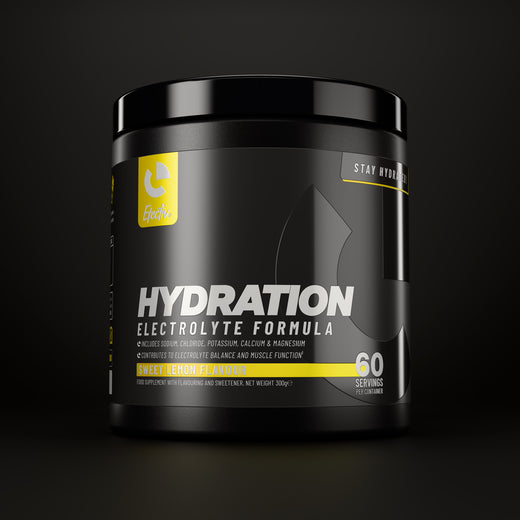
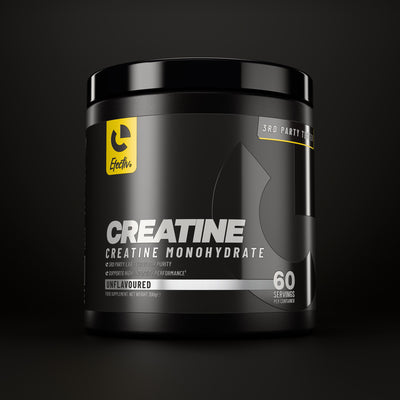
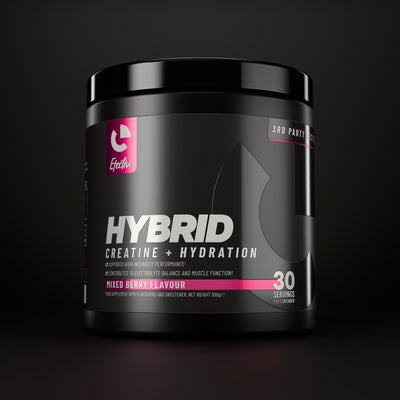
EFECTIV Nutrition products are designed to seamlessly integrate into your existing marathon fueling strategy, offering transparent solutions for real training demands. Our range provides targeted support, from quality protein powders for muscle preservation and recovery after long runs, to electrolyte formulas that enhance your hydration strategy during intense marathon running.
Consider our range to fine-tune your carbs per hour intake, or explore our options for pre-run energy, with every dose on the label. We’re built for hybrid and endurance athletes in the UK, ensuring that when supplements make sense, they are performance-led, transparent about ingredients, and genuinely help you achieve your marathon goals. Explore our full hybrid athlete supplement range to build your stack.
Motivation for a Successful Marathon Journey
Your motivation for a successful marathon journey should be rooted in the empowering knowledge that you are taking control of every aspect of your performance, from your training runs to your marathon nutrition. By meticulously planning your marathon fueling strategy, mastering your hydration strategy, and intelligently incorporating supplements for marathon training when appropriate, you are building a resilient, high-performing body.
Trust the process, honour your training, and stay consistent with your pre-race meal and in-race intake of gels and chews. This comprehensive approach will not only get you to the start line feeling confident but will also provide the endurance and mental focus to carry you strong all the way to the finish line. For more training and nutrition guides, visit our running hub.
How many carbs should I consume during a marathon? +
Should I use water or sports drinks? +
When should I take my first gel? +
Do electrolytes matter in cooler weather? +
Ready to Fuel Smarter?
Build a marathon nutrition plan that supports training, performance and recovery. The more consistently you practise your strategy, the stronger you’ll perform when race day arrives.
Every dose on the label.
The products this guide mentions.