Recovery & Sleep
Home  /  Shop by goal  /  Recovery & Sleep
The other 23 hours

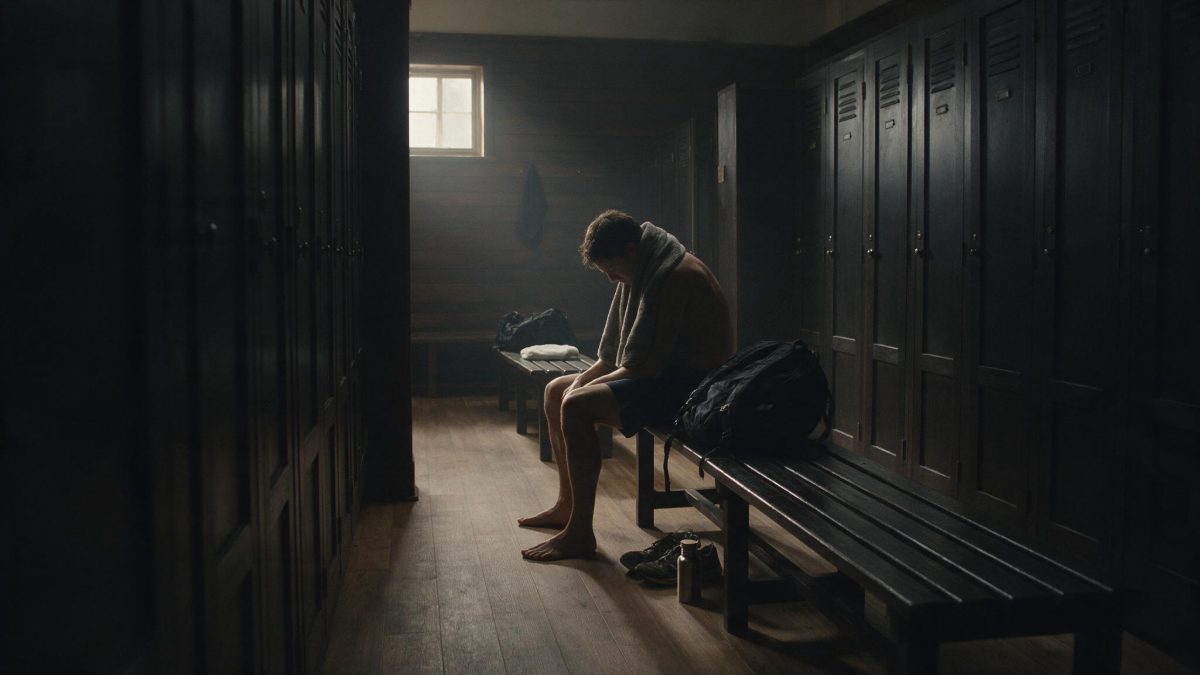
Adaptation happens at rest.

Training is the stimulus and recovery is the response. Getting the hours between sessions right is what turns the work you have done into progress.

Sleep architecturePost-training nutritionCortisol load
The 96% rule

You train for 4% of the day.

An hour of training is 4% of your day. The other 96%, how you sleep, eat and unwind, decides whether that hour becomes adaptation or accumulated fatigue.

The recovery range targets three things: the quality of your sleep, what you take in after training and the stress load you carry into the evening.

7-9h
Sleep a night
Where most tissue repair happens.
350mg
Magnesium bisglycinate
Magnesium in a chelated form.
2h
Post-training window
Protein and carbs within about two hours.
23h
Not training
The hours when you sleep, eat and unwind.
The essentials

The recovery stack.

Sleep first, then protein, then the micronutrients.
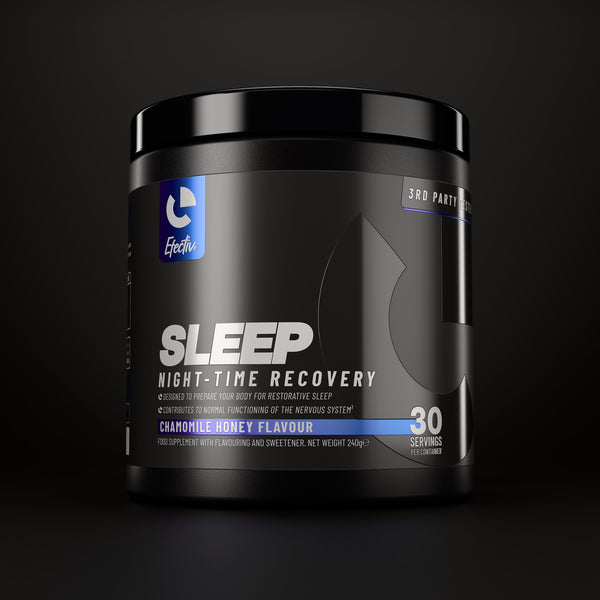
Sleep PowderNew01
Lead product
Sleep Powder
30 servings · night-time
✓Magnesium bisglycinate
✓L-glycine & L-theanine
£19.99
£0.67 / serving
Sold out
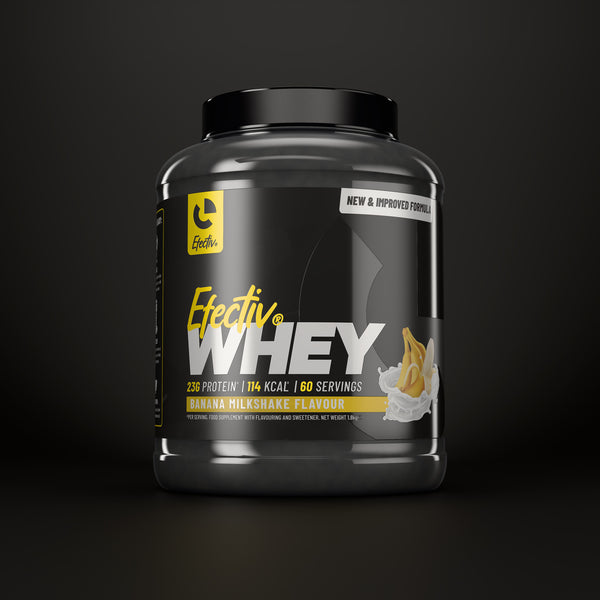
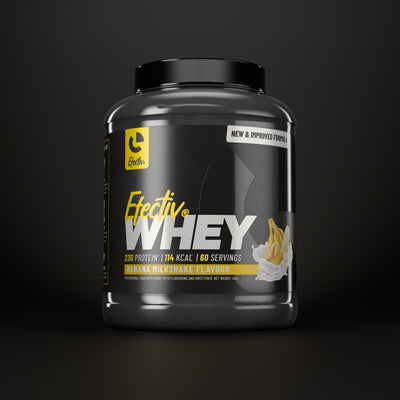
Whey Protein PowderBestseller02
Second in
Whey Protein Powder
60 servings · 22–23g protein
✓22–23g protein per serving
✓10 flavours
£59.99
£1.00 / serving
Options
ZMPRO03
Third in
ZMPRO
30 servings · zinc & magnesium
✓Zinc & magnesium
✓100% NRV
£14.99
£0.50 / serving
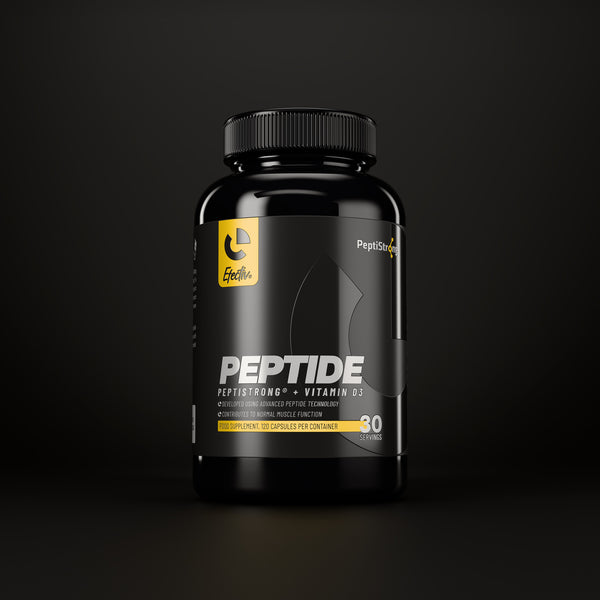
Peptide04
Also in this stack
Peptide
30 servings · PeptiStrong®
✓2.4g PeptiStrong®
✓30-day supply
£29.99
£1.00 / serving
Recovery science

The science of recovery.

Three areas: how well you sleep, what you eat after training and low-intensity movement between sessions.

Sleep architecture
01 · Sleep
Sleep architecture

Deep sleep triggers growth hormone release, consolidates motor learning and repairs tissue. Duration matters, but so does the quality of each cycle.

✓7-9 hours a night
✓Cool, dark, consistent
Post-training nutrition
02 · Refuel
Post-training nutrition

Glycogen synthase is most active after training. Protein and carbs within a couple of hours help you move from breakdown to repair.

✓22–23g protein post-session
✓Carbs to replace glycogen
Active recovery
03 · Unwind
Active recovery

Zone 1 movement, mobility and contrast therapy raise blood flow without adding nervous system stress.

✓20-30 min easy work
✓No extra glycogen cost
The protocol

The recovery sequence.

Recovery is more than supplements. Here is where each product fits between finishing a session and waking up for the next.

01 · Post-training Post
Replenish

Protein and fast carbs within the first couple of hours to restart glycogen resynthesis and switch synthesis back on.

Whey Protein
02 · Evening PM
Lower the load

No caffeine after 2pm. Zinc and magnesium with your evening meal, when it is easiest to stay consistent.

ZMPRO
03 · Pre-bed PM
Wind down

Magnesium bisglycinate and glycine 30 to 60 minutes before bed.

Sleep Powder
04 · Overnight Sleep
Rebuild

Seven to nine hours. This is when the repair happens. Supplements can only support it.

Sleep Powder
The compounds

Doses on the label, nothing hidden.

Tap an ingredient to see the dose we use and why it is in this goal stack.

Ingredient spotlight
Magnesium bisglycinate

A chelated form of magnesium. Magnesium contributes to normal functioning of the nervous system and to a reduction of tiredness and fatigue.

350mg
Per serving
Chelated
For absorption
Other goals

Training for something else?

All five goals

Estimates, not medical advice. Individual needs vary with training history, diet and health.
In plain terms

Recovery and sleep

Recovery is where training turns into adaptation. This range covers three areas: sleep quality, post-training nutrition and micronutrients.

Every product here has its dose printed on the label.

Before you buy

Questions, answered.

A lot. Most tissue repair happens during deep sleep, and short sleep reduces performance, reaction time and mood.

The window is real but wider than commonly believed. Aim for protein and carbs within two hours; if you trained fasted, eat sooner.

Usually. Light movement raises blood flow and clears metabolites without adding training stress, and it tends to help soreness more than sitting still.

Consistent timing, a cool dark room, no caffeine after early afternoon and magnesium bisglycinate or glycine before bed.