



From early morning miles and long Sunday runs to HYROX sessions, strength training and marathon preparation, creatine can be a useful addition to a well-planned sports nutrition strategy. Here's how to choose the right form, dose and format for your training.
As runners, whether you're tackling early morning miles before work, grinding through long Sunday runs, or building up your weekly mileage for a half marathon or even the London Marathon, optimising performance, endurance and recovery is paramount.
In the UK, more athletes are combining running with strength training or HYROX, recognising the importance of building strength and power alongside endurance. Creatine is a tried-and-tested ingredient in sports nutrition, and this guide explains what to look for when choosing a creatine supplement in 2026.
Understanding Creatine Supplements
Creatine is one of the most thoroughly studied and effective supplements available for athletes, particularly those engaged in high-intensity training. While often associated with bodybuilding, its benefits extend to endurance and hybrid athletes, offering support for energy production, muscle preservation and demanding training sessions.
Understanding what creatine is, how it works and the different forms available is the first step towards incorporating it intelligently into your fuelling and recovery strategy.
What is Creatine?
Creatine is a naturally occurring organic compound that plays a critical role in the rapid regeneration of adenosine triphosphate (ATP), your body's primary energy currency, especially during short bursts of high-intensity activity.
Your body produces some creatine naturally and you can also obtain it from foods such as red meat and fish. Supplementation, particularly with creatine monohydrate, provides a practical way to increase creatine stores and support high-intensity exercise.
Runner's translation
Creatine isn't a miracle supplement. Think of it as nutritional support for the energy system you rely on when you sprint, attack a hill, lift heavy, surge late in a race or repeat hard efforts.

Benefits of Creatine for Athletes
For runners and hybrid athletes, the benefits of creatine extend beyond strength and power. Taking creatine can support your ability to perform repeated high-intensity efforts, making it particularly relevant to speed work, strength sessions and hybrid training.
Muscle preservation
Adequate creatine intake can complement a well-structured diet and training plan during high-mileage or calorie-deficit phases.
Training support
Creatine can help support repeated high-intensity work where rapid ATP regeneration is important.
Work capacity
Supporting high-intensity performance can help you complete quality sessions and continue progressing over time.
This makes creatine relevant whether you're in winter base training, building strength for HYROX, preparing for a summer race season or simply trying to become a stronger and more resilient runner.
Forms of Creatine: Powder, Gummies and Chews
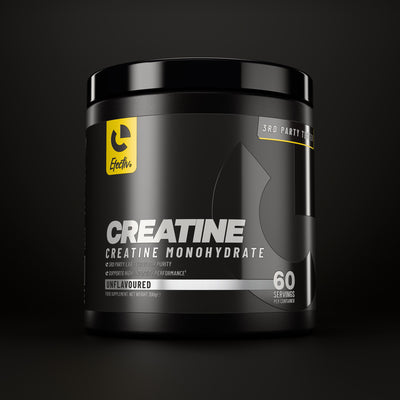
When it comes to creatine supplementation, creatine monohydrate powder is by far the most researched and cost-effective form. A daily dose of 3g to 5g of pure creatine monohydrate is commonly used.
An unflavoured powder can be mixed into water, a protein shake or another part of your existing nutrition routine. Micronised creatine monohydrate is also popular because the smaller particle size can make the powder easier to mix and less gritty.
Top Creatine Supplements of 2026
Navigating the large number of creatine supplements available can feel overwhelming, particularly as new formats continue to appear. For runners and hybrid athletes, the basics remain important: transparent labelling, a meaningful dose of creatine and a form with strong research behind it.
Our focus here is therefore on practical creatine categories rather than complicated blends. For most athletes, pure creatine monohydrate remains the starting point.
Best all-round option. Pure Creatine Monohydrate
A straightforward, research-backed option for athletes who want a simple daily dose without unnecessary ingredients.
Best for mixability. Micronised Creatine
A practical choice if you prefer a smoother powder that mixes easily into water, protein shakes or pre-workout.
Best for value. Large Tub of Powder
Larger packs of straightforward creatine monohydrate can reduce the cost per serving and make consistent daily use easier.
Best Creatine Monohydrate Powder
For most athletes, pure creatine monohydrate powder remains the gold standard, offering exceptional value and efficacy. When choosing a creatine monohydrate powder, look for a product that clearly states the amount of creatine per serving and avoids unnecessary fillers.
An unflavoured powder is particularly versatile. You can mix it into your protein shake, pre-workout or simply water without changing the flavour of your existing routine.
Keep the ingredient list simple
If your goal is simply to supplement creatine, you don't necessarily need a complicated formula. A clearly labelled creatine monohydrate product delivering your intended daily dose can be a very practical choice.
Micronised Creatine Options
Micronised creatine monohydrate is a popular choice because of its enhanced mixability. The micronisation process reduces particle size, which can make the powder dissolve more readily and reduce the gritty texture associated with some standard creatine powders.
Micronised creatine still provides the benefits associated with creatine monohydrate while making the daily routine more convenient. For runners who already use protein powder or pre-workout, this can make consistency particularly easy.
Best Value Creatine Picks
Finding the best value creatine doesn't mean compromising on quality. Look for larger tubs of straightforward, unflavoured creatine powder, as these can often provide a lower cost per serving.
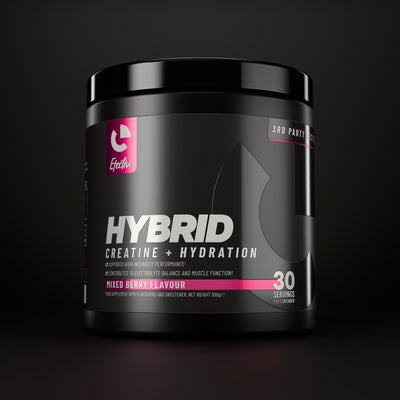
You may also encounter creatine blends with added electrolytes, carbohydrates or other ingredients. These can have a place in a broader nutrition strategy, but if your primary objective is simply creatine supplementation, a straightforward creatine monohydrate powder is usually the simplest option.
Quality check
Transparent ingredients and a clear creatine quantity per serving make it easy to see what you are getting when choosing a supplement for serious training.
How to Take Creatine Effectively
The easiest creatine routine is often the one you can follow consistently. You don't need a complicated protocol to make creatine part of your daily sports nutrition.
Recommended Dosage and Timing
To take creatine effectively, a consistent daily dose is more important than a complicated loading phase. Most research-backed approaches use around 3g to 5g of pure creatine monohydrate per day.
Simple daily approach
Take 3g–5g of creatine monohydrate every day and make it part of a routine you can maintain.
Timing
There is no need to obsess over a precise timing window. Many athletes simply take creatine alongside a shake or meal that is already part of their routine.
Some athletes prefer taking creatine after training with their protein shake, while others add it to their pre-workout or another convenient drink. The important factor is regular consumption.
Combining Creatine with Other Supplements
Creatine can be seamlessly integrated with other supplements. It pairs particularly well with a quality protein powder, such as whey protein, when building a post-workout recovery routine.
Many athletes also mix creatine powder into their pre-workout drink. Choosing an unflavoured creatine makes this easier because it can be added to an existing shake or drink without introducing another flavour.
Creatine + protein
An easy combination for athletes who already use a protein shake after training.
Creatine + pre-workout
Unflavoured creatine can be mixed into a pre-workout routine without adding another major flavour.
Creatine on rest days
Creatine is not just a training-day supplement. Consistent daily intake is the practical way to maintain creatine stores.
Hydration and Electrolytes
Maintaining good hydration and electrolyte balance is vital for runners and hybrid athletes. Creatine itself does not directly cause dehydration, although it increases water stored within muscle cells.
During long Sunday runs, intense training sessions or warmer weather, fluid and electrolyte needs can be substantially higher because of sweat losses. A sensible hydration strategy should therefore sit alongside your creatine routine.
Think beyond the supplement
Creatine works within a bigger performance system. Daily fluid intake, carbohydrates, protein, sleep and appropriate training load all matter far more than trying to optimise a single supplement in isolation.

Choosing the Right Creatine for Your Needs
Assessing Your Training Goals
Choosing the right creatine supplement ultimately depends on your specific training goals as a runner or hybrid athlete. If your aim is to support high-intensity performance, strength and power, muscle preservation and recovery, a high-quality creatine monohydrate is a logical place to start.
Whether you're focused on early morning miles, long Sunday runs, HYROX preparation, strength work or a specific race, the supplement should fit into your existing sports nutrition rather than make your routine unnecessarily complicated.
Speed & hills
Particularly relevant if your running includes intervals, hills, sprints or hard race finishes.
Strength + endurance
Useful to consider when your programme combines running with lifting or repeated high-intensity efforts.
Simple daily routine
An unflavoured powder can make daily supplementation easy to combine with a shake, meal or drink.
Creatine capsules or gummies can be useful if convenience is your priority. However, pure creatine monohydrate powder often offers the best combination of versatility and value for consistent daily use.
Long-term Benefits of Consistent Use
The potential benefits of creatine become most relevant when it is used consistently over time. Regularly taking the recommended daily dose helps maintain elevated muscle creatine stores, supporting repeated high-intensity efforts and strength-focused training.
This is particularly relevant during periods of demanding training. Rather than looking for an immediate dramatic transformation, think of creatine as one small, repeatable part of a broader approach to fuelling, recovery and performance.
The Efectiv approach
Keep supplementation simple, understand what you're taking, use an appropriate daily dose and build it around the fundamentals: quality training, sufficient food, hydration, recovery and sleep.
Efectiv Nutrition and Creatine
Efectiv Nutrition takes a straightforward approach to sports nutrition, with products designed to fit into the routines of athletes who train across endurance, strength and hybrid disciplines.
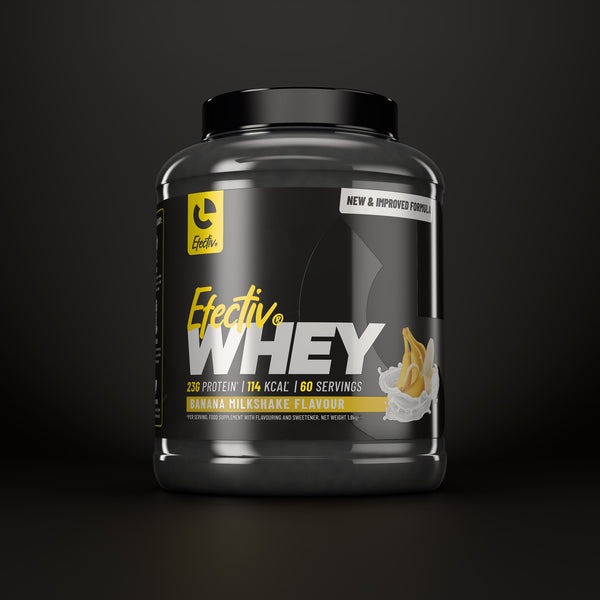
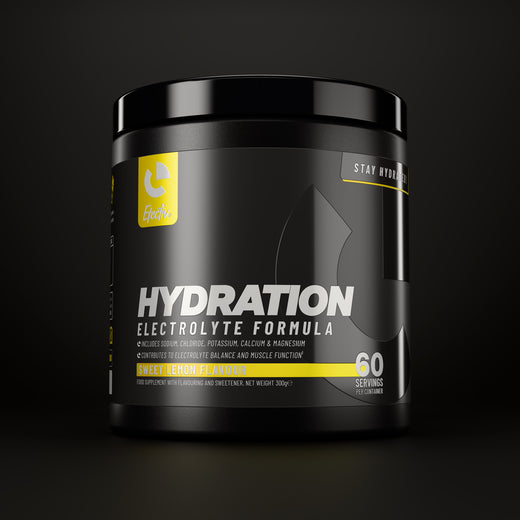
If you're looking to add creatine to your daily routine, a pure unflavoured creatine monohydrate is an easy format to combine with your existing protein shake, pre-workout or hydration routine.
Final Thoughts on the Best Creatine Supplements 2026
In 2026, the fundamentals of choosing a creatine supplement remain straightforward. Pure creatine monohydrate, particularly in an easy-to-mix powder format, remains a strong starting point for most athletes.
Look for clear labelling, a transparent amount of creatine per serving and a product that fits naturally into your daily routine. If you're a competitive athlete, check the rules of your sport before you choose any supplement.
Whether you're tackling a Parkrun, preparing for a marathon, building strength for HYROX or simply trying to become a stronger runner, creatine can be one useful part of a wider sports nutrition strategy.
Don't overcomplicate creatine
Choose a reputable creatine monohydrate, use a consistent daily dose of around 3g–5g, stay on top of hydration and let your overall training and nutrition do the heavy lifting.
Frequently Asked Questions About Creatine
Is Creatine Safe for Everyone? +
Can Creatine Help with Endurance Training? +
What Should You Look for in a Quality Creatine Supplement? +
Do You Need to Load Creatine? +
Is Creatine Powder Better Than Gummies? +
Build a smarter performance routine
Creatine is only one part of the picture. Explore more Efectiv performance guides covering supplementation, fuelling, recovery and training for runners and hybrid athletes.
Every dose on the label.
The products this guide mentions.