


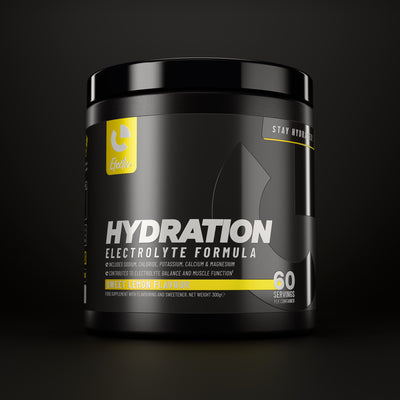
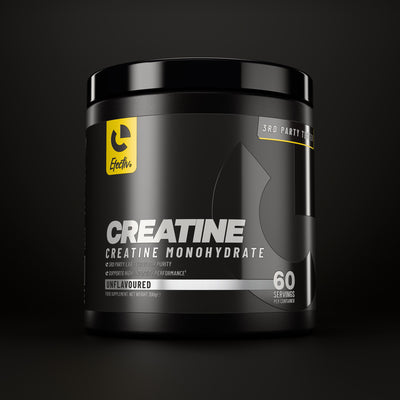
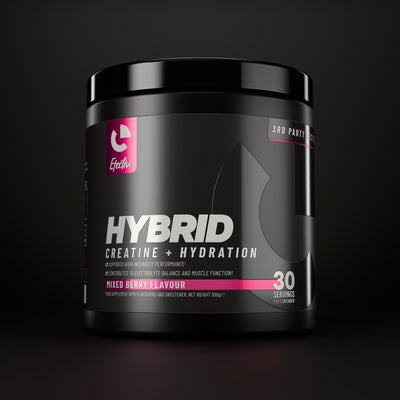

Embarking on an ATHX workout journey requires a strategic approach to nutrition and hydration. This guide breaks down the unique demands of ATHX training and how to fuel your body for optimal performance, from the strength zone to Metcon X and the endurance zone.
Understanding the ATHX Format
What is ATHX Training?
ATHX training is a dynamic and demanding functional fitness format that blends various disciplines to test your all-around athletic capabilities. It is designed to push your limits across different energy systems, making proper fuelling essential for sustained performance. Unlike single-discipline training, ATHX workouts demand a versatile fuelling strategy to support both strength and endurance effectively. The format is built around real training demands and prepares athletes for diverse physical challenges. For a full breakdown of the supplements that support this kind of multi-modal training, see our guide to the best supplements for CrossFit and functional fitness athletes.
Components of the ATHX Games
The ATHX Games typically comprise three distinct zones: the strength zone, the Metcon X zone, and the endurance zone. Each presents unique physiological demands, requiring your body to use different energy pathways.
For example, the strength zone might involve heavy squats, while the endurance zone could feature a long row. Understanding these components is crucial when developing an effective nutrition and hydration strategy, helping ensure you have enough fuel to perform throughout each segment of the workout.
Strength Zone
Powerful movements and heavy strength work require adequate carbohydrate availability alongside sufficient protein to support training and recovery.
Metcon X Zone
High-intensity metabolic conditioning demands readily available energy and effective hydration so you can maintain output when fatigue starts to build.
Endurance Zone
Sustained aerobic work places greater emphasis on carbohydrate availability, fluid intake and electrolytes during longer efforts.
Benefits of the ATHX Format
The ATHX format offers numerous benefits, from enhancing overall functional fitness and stamina to improving mental toughness. This type of training helps build a well-rounded athlete capable of handling diverse physical challenges.
The combination of high-intensity intervals and sustained aerobic efforts can improve endurance, resilience and the ability to produce quality work while fatigued. With the right pre-workout, intra-workout and post-workout nutrition, athletes can support consistent training, recovery and long-term progress.

Fueling Your ATHX Workout
Pre-Workout Nutrition
Focus on carbohydrates to top up glycogen stores alongside a moderate amount of protein. Oats with berries or a banana with nut butter can provide practical pre-workout fuel. A quality pre-workout supplement can also help sharpen focus and energy for demanding sessions.
Intra-Workout Fuel
For demanding sessions lasting longer than around 60 minutes, easily digestible carbohydrates and fluids can help maintain energy and hydration as fatigue builds. Electrolyte supplements are a practical way to replace minerals lost through sweat.
Post-Workout Refuel
Prioritise carbohydrates and a good amount of protein to support glycogen replenishment, muscle repair and preparation for your next training session. Our protein powders range makes hitting your post-workout target straightforward.
Pre-Workout Nutrition Essentials
To ensure optimal performance in your ATHX workout, pre-workout nutrition is paramount, setting the stage for sustained energy and focus. A well-planned pre-workout meal or snack consumed around 2–3 hours before your session should focus on carbohydrate-rich foods to help top up glycogen stores, alongside a moderate amount of protein.
For example, before an early morning session or challenging strength zone workout, a bowl of oats with berries or a banana with nut butter can provide practical fuel. The aim is to arrive at training with enough energy to perform functional movements, strength work and endurance efforts without feeling overly full.
Simple pre-workout rule
If you have several hours before training, build a proper meal. If you have less time, keep the portion smaller and choose foods that are familiar, easy to digest and predominantly carbohydrate-based.
Intra-Workout Fueling Strategies
During a demanding ATHX workout, especially one lasting longer than an hour, effective intra-workout fuelling is critical to maintaining energy levels and preventing excessive fatigue.
For longer sessions, such as an extended endurance zone effort or demanding Metcon X workout, easily digestible carbohydrates can help maintain available energy. Energy gels or carbohydrate-containing drinks can be useful when solid food is impractical.
Hydration also matters. An electrolyte drink can help replace minerals lost through sweat while providing a practical way to consume fluids during training.
Post-Workout Refuel: Importance and Tips
The post-workout refuel is just as important as your pre- and intra-workout strategy. It plays a key role in recovery and prepares your body for the next ATHX training session.
Within roughly 30–60 minutes after completing a demanding workout, particularly after intense strength work or a long endurance session, focus on replenishing carbohydrate stores and consuming a good amount of protein to support muscle repair. Not sure which protein to choose? Our whey isolate vs whey protein guide breaks down the differences.
A balanced meal containing lean protein, carbohydrate-rich foods and healthy fats can provide a strong foundation for recovery. When a full meal is not practical, a recovery shake can be a convenient alternative.
Endurance and Strength Zones in ATHX Training
Understanding the Endurance Zone
The endurance zone in ATHX training is designed to test your aerobic capacity and stamina, often involving sustained efforts such as a long row or continuous functional movements.
Proper fuelling for this zone focuses on maintaining consistent energy levels, which means adequate carbohydrate intake to keep glycogen stores topped up. During longer efforts, carbohydrate availability becomes increasingly important for maintaining performance.
Hydration with electrolytes can also be important, particularly during longer sessions or when sweat losses are high. The goal is to maintain performance rather than waiting until thirst or fatigue becomes severe.

Carbohydrates
Support the sustained energy demands of longer endurance efforts and help maintain glycogen availability.
Fluids + Electrolytes
Replace fluid and electrolyte losses according to the duration, intensity, environment and your individual sweat rate. Browse our hydration supplements.
Consistent Output
The aim is to keep energy and effort more consistent instead of allowing fatigue to cause a significant drop in performance.
Maximising Performance in the Strength Zone
Maximising performance in the strength zone requires specific nutritional support for powerful movements such as heavy squats and complex strength work.
Adequate protein intake is vital for muscle repair and adaptation, supporting the functional fitness demands of ATHX. Before a strength-focused session, a meal containing carbohydrates and a moderate amount of protein can provide useful energy while supporting muscle preservation and recovery. Adding creatine to your daily routine is one of the most evidence-backed ways to support strength output and repeated high-intensity efforts, see our guide to creatine for functional fitness athletes for more detail.
Strategic fuelling ensures you have the energy and strength to perform quality work, rather than relying solely on supplements to compensate for an under-fuelled diet.
Metcon X Zone: Fueling for High-Intensity Workouts
The Metcon X Zone is all about high-intensity metabolic conditioning workouts that challenge both strength and endurance. These sessions demand a rapid supply of usable energy, particularly when functional movements are performed repeatedly at high intensity.
Fast-acting carbohydrates can be useful before and during longer or particularly demanding sessions to help maintain high-intensity output. Strategic hydration, often including electrolytes, is also important when training is prolonged or sweat losses are significant.
Don't confuse intensity with duration
Not every hard ATHX workout requires intra-workout carbohydrates. A short, intense Metcon and a two-hour endurance session have very different fuelling requirements. Match your strategy to the actual duration and workload.

Optimal Performance and Recovery
The Role of Electrolytes in Recovery
Electrolytes play an important role in recovery, especially after demanding ATHX training sessions where significant fluid and mineral losses can occur.
Sodium, potassium and magnesium contribute to normal fluid balance, nerve function and muscle contraction. Replacing fluids and electrolytes after a long row or intense Metcon X session can be particularly useful when sweat losses are high.
An electrolyte drink can therefore be a simple and practical way to support rehydration after training, particularly when water alone does not fully address your fluid and electrolyte needs.
Carb Loading for Race-Day Success
For major events such as the ATHX Games or a long-distance race, strategic carbohydrate loading can help maximise glycogen stores before competition.
Rather than simply eating a large amount of carbohydrate immediately before an event, carbohydrate loading is generally planned across the days leading into an endurance-focused competition. The exact approach should reflect the event duration, training history and individual tolerance.
Practise before race day
Your competition nutrition should not be an experiment. Test your carbohydrate, hydration and electrolyte strategy during training sessions that resemble the demands of the event.
Best Practices for Refuelling After Training
Effective refuelling after an ATHX training session is paramount for accelerating recovery and preparing your body for future workouts.
A combination of carbohydrates and protein after training can help replenish glycogen and support muscle repair. This becomes especially relevant after challenging strength work, high-intensity Metcon sessions or longer endurance efforts. Supporting sleep quality is also a key part of recovery, our night-time recovery supplement can help you get the rest your body needs to adapt and rebuild.
Fuel priority: Carbohydrates + protein
Recovery focus: Muscle repair and adaptation
Fuel priority: Readily available carbohydrate + fluids
Recovery focus: Energy restoration and rehydration
Fuel priority: Carbohydrates + fluids + electrolytes
Recovery focus: Glycogen replenishment and rehydration
Fuel priority: Carbohydrates + protein + hydration
Recovery focus: Whole-session recovery
Creating Your ATHX Training Plan
Weekly Structure for Optimal Performance
Designing a well-structured ATHX training plan is fundamental for optimal performance and avoiding unnecessary fatigue. A typical training week should strategically balance sessions focusing on the strength zone, Metcon X zone and endurance zone.
Incorporating rest days and active recovery is just as important as the high-intensity sessions themselves. This approach gives your body time to recover and adapt, helping you maintain consistent progress across strength, conditioning and endurance. For guidance on how to avoid overtraining and structure your week intelligently, see our guide on how to train smart and avoid overtraining.
Build Power
Use dedicated strength work to develop force production, movement quality and the physical foundation required for ATHX.
Build Capacity
Metcon and mixed-modal sessions develop the ability to maintain high output across repeated functional movements.
Build Engine
Longer aerobic work improves stamina and helps develop the ability to sustain effort when sessions become prolonged.
Adjusting Nutrition for Different Training Phases
Adjusting your nutrition and hydration strategy according to different training phases is crucial for sustained progress in ATHX training.
During periods of higher volume or intensity, such as increasing endurance work or preparing for an event, carbohydrate and overall energy intake may need to increase to support the additional workload. Protein intake should remain consistently adequate to support recovery and adaptation. Browse our protein powders range to find the right option for your training phase.
During lighter training weeks or a deload, overall energy requirements may fall because the training stimulus is reduced. Your nutrition should reflect that change rather than following exactly the same fuelling strategy every day.
Nutrition priority: Carbohydrate availability
Practical focus: Fuel longer sessions and replenish glycogen
Nutrition priority: Carbohydrates + recovery nutrition
Practical focus: Support quality sessions and recovery
Nutrition priority: Practise race-day strategy
Practical focus: Test hydration, electrolytes and carbohydrate intake
Nutrition priority: Maintain protein and adjust energy
Practical focus: Support recovery while training volume falls
Common Challenges and How to Overcome Them
ATHX training, while rewarding, presents common challenges such as fatigue, muscle soreness and maintaining motivation. Overcoming these requires a holistic approach that combines smart fuelling, proper recovery and consistent training.
Ensuring adequate pre-workout energy support, effective intra-workout hydration when required and disciplined post-workout refuelling can help you manage the physical demands of training. For a practical guide to managing muscle fatigue specifically, see our article on how to reduce muscle fatigue during high-intensity workouts.
Mental challenges also matter. Setting realistic goals, tracking progress and celebrating small improvements can help maintain motivation throughout a demanding training block.
Supplements support the plan, they don't replace it
Supplements can be useful tools for convenience and performance, but they work best alongside sufficient food, hydration, sleep and a well-structured training programme. They are not a substitute for the fundamentals. See our best supplements for functional fitness athletes guide for a full breakdown of what's worth adding.

Your ATHX Fuel Strategy at a Glance
Arrive Fuelled
Prioritise carbohydrate-rich food with appropriate protein, depending on how much time you have before training.
Maintain Output
For longer sessions, use practical carbohydrate and hydration strategies to help maintain energy and performance.
Recover Properly
Combine protein, carbohydrates and fluids to support recovery and prepare for your next training session.
ATHX Workout Fuel FAQs
What should I eat before an ATHX workout? +
Do I need carbohydrates during an ATHX workout? +
Are electrolytes important for ATHX training? +
What should I eat after an ATHX workout? +
Should my nutrition change during an ATHX training block? +
Can supplements replace proper ATHX nutrition? +
Fuel the work. Recover for the next one.
ATHX training asks you to perform across strength, high-intensity conditioning and endurance. Your nutrition strategy should reflect the same versatility. Start with consistent daily nutrition, then build your pre-workout, intra-workout and recovery strategy around the demands of each session. Explore our hydration range, protein powders and creatine to build your ATHX stack.