









Empty legs are a fuelling error.
Past ninety minutes, pace tracks carbohydrate availability and fluid balance more closely than fitness. The last few miles of a long run are usually a nutrition result, not a training one.
Drink the carbs, replace the salt, and take protein afterwards.
The runner's stack.
Hydration and carbs for the session; protein and micronutrients for the block around it.


The science of distance.
Three limits: fuel, fluid, and whether you can back up tomorrow.


The long run.
Repeatable on any long day, on road or trail.
Doses on the label, nothing hidden.
Tap an ingredient to see the dose we use and why it is in this sport stack.
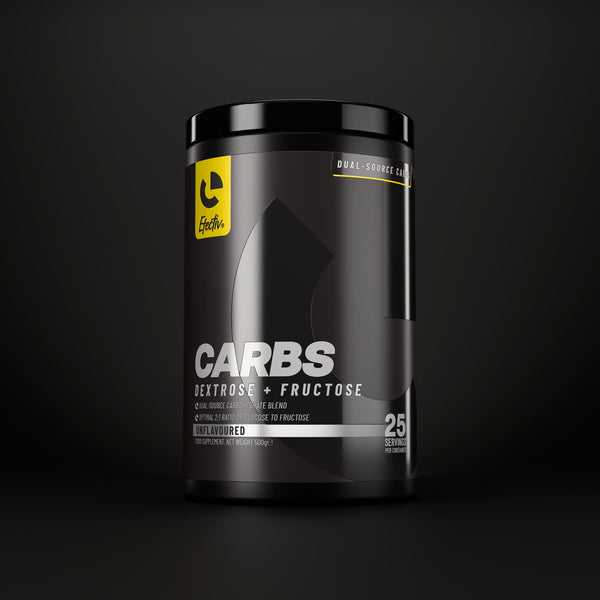
Drinkable carbohydrate dosed for sessions past ninety minutes.
Play something else?




Running supplements
Most running problems past ninety minutes come down to fuel and fluid. This stack covers drinkable carbohydrate at 60–90g an hour, a five-salt electrolyte profile at 400mg of sodium a serving and the protein and micronutrients for a high-mileage block.
Made in the UK, with the doses printed on the label, so your long run is limited by your training, not your bottle.
Questions, answered.
No. Under about ninety minutes, stored glycogen covers it. Carbs matter for long runs, back-to-back days and racing.
400mg a serving suits most runners in cool conditions. In heat, or if your kit dries white, you may need more.
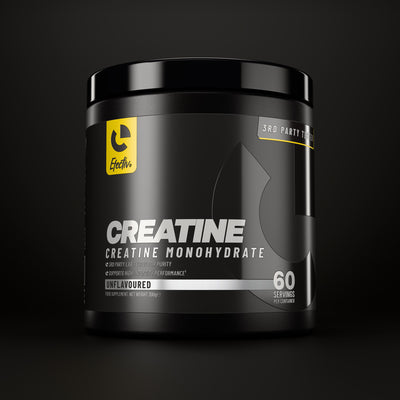
Creatine increases physical performance in successive bursts of short-term, high intensity exercise, with the effect seen at 3g a day. That suits intervals, hills and sprint finishes more than steady miles. Any extra weight is water held in the muscle.
Protein contributes to the maintenance of muscle mass, which matters across a high-mileage block. A 22–23g serving after long runs is a simple way to get enough.