


What to Eat Before HYROX: Your Complete Pre-Race Fuelling Guide
You've put in the running miles, mastered the sled push and survived countless wall balls. But what you eat before HYROX can make a real difference to how you feel when the race gets tough. From carbohydrate loading and race-morning meals to hydration and supplements, this guide explains how to fuel your HYROX race without leaving your nutrition to chance.
Preparing for a HYROX event involves more than perfecting your running pace or improving your strength on the workout stations.
Your nutrition strategy is another important part of race preparation. Eating the right foods at the right time helps ensure you arrive at the start line with adequate energy, comfortable digestion and a hydration plan suited to the demands of your event.
Whether you're preparing for your first HYROX or chasing a new personal best, understanding what to eat before HYROX can help you approach race day with confidence.
What should you eat before HYROX?
Eat a familiar, carbohydrate-rich meal around 2–3 hours before your start time. Good options include porridge with banana, a bagel with jam, or toast with honey. Keep fat and fibre moderate if you're prone to digestive discomfort, and avoid trying anything new on race day.
The golden rule
Nothing new on race day.
Practise your meals, snacks, drinks and supplements during training before relying on them at your event.
Understanding HYROX and Race Day Preparation
HYROX combines endurance running with demanding functional fitness exercises, creating a race that requires both cardiovascular fitness and muscular endurance.
What Is a HYROX Race?
A HYROX race consists of eight 1km running segments, each followed by a functional workout station.
Competitors alternate between running and exercises that challenge different muscle groups, making the event physically demanding from start to finish.
What Are the HYROX Workout Stations?
The race includes the following stations, completed in a set order between the running segments.
| Station | Exercise | Primary demand |
|---|---|---|
| 1 | SkiErg | Cardiovascular and muscular endurance |
| 2 | Sled Push | Lower-body strength and power |
| 3 | Sled Pull | Full-body strength |
| 4 | Burpee Broad Jumps | Explosive movement and endurance |
| 5 | Rowing | Cardiovascular endurance |
| 6 | Farmer's Carry | Grip and muscular endurance |
| 7 | Sandbag Lunges | Lower-body muscular endurance |
| 8 | Wall Balls | Full-body muscular endurance |
Why Pre-Race Nutrition Matters
Your body relies heavily on carbohydrates during demanding exercise. These carbohydrates are stored as glycogen in your muscles and liver, providing an important energy source throughout your race.
Arriving at the start line with adequate glycogen stores can help you maintain your planned intensity as fatigue builds.
Pre-race nutrition also supports hydration, muscle function and your ability to concentrate during the event.
Think beyond the first kilometre
Your pre-race meal isn't just about having enough energy for the opening run. You need to fuel the repeated transitions between running and functional exercise, particularly when the sleds, lunges and wall balls begin to take their toll.
The Four Components of HYROX Fuelling
Carbohydrates
Provide energy for running and high-intensity functional exercise.
Protein
Supports muscle repair and adaptation throughout training and recovery.
Hydration
Supports temperature regulation, circulation and exercise performance.
Ideal Foods to Eat Before HYROX
The best pre-race foods provide carbohydrates, are familiar to your digestive system and leave you feeling comfortable when you begin exercising.
Carbohydrates: Your Main Energy Source
Carbohydrates should form the foundation of your pre-race nutrition strategy.
They help top up glycogen stores and provide readily available energy for the repeated running and functional exercise involved in HYROX.
Choose foods that you already tolerate well before training.
Porridge & Banana
Oats provide carbohydrates, while banana adds another convenient source of energy. Adjust the portion to your appetite and available digestion time.
Bagel & Jam
A straightforward carbohydrate-rich meal that can work well before morning races.
Rice & Lean Protein
A familiar rice-based meal with a modest serving of chicken or another protein source can suit athletes racing later in the day.
How Many Carbohydrates Should You Eat?
A commonly used sports nutrition guideline is approximately 1–4g of carbohydrate per kilogram of body weight in the 1–4 hours before exercise.
This is a broad range rather than a target every athlete needs to reach.
Your ideal intake depends on your body weight, expected race duration, available digestion time and what you have practised in training.
| Body weight | 1g/kg | 2g/kg | 3g/kg |
|---|---|---|---|
| 60kg | 60g | 120g | 180g |
| 70kg | 70g | 140g | 210g |
| 80kg | 80g | 160g | 240g |
| 90kg | 90g | 180g | 270g |
Don't force a huge breakfast
The upper end of carbohydrate guidelines can involve a substantial amount of food. If your HYROX starts early or you struggle with pre-race nerves, a smaller familiar meal may be more practical. Your nutrition in the preceding day also contributes to race preparation.
Should You Eat Protein Before HYROX?
Protein supports muscle repair and recovery, but carbohydrates remain the main priority for immediate pre-race fuelling.
A moderate serving of protein can form part of your pre-race meal if you tolerate it comfortably.
Greek Yoghurt
Can be paired with fruit or oats for a carbohydrate and protein breakfast.
Eggs
A familiar option alongside toast when you have sufficient time to digest.
Lean Chicken
Can work alongside rice or pasta for athletes with an afternoon or evening start.
What About Healthy Fats?
Dietary fat is important for overall health, but large amounts immediately before exercise may slow digestion.
If you're prone to stomach discomfort, avoid making your final pre-race meal particularly high in fat.
Save heavier meals for after the race or earlier in your preparation.
Timing Your Pre-Race Meal
Knowing what to eat before HYROX is only half the equation. When you eat matters too, particularly if you struggle with digestion, pre-race nerves or early starts.
Your HYROX Race-Day Fuelling Timeline
Build your fuel stores
Eat regular carbohydrate-containing meals and maintain your normal hydration routine.
Main pre-race meal
Choose a familiar carbohydrate-rich meal with a moderate amount of protein if desired.
Optional top-up
A banana, sports drink or carbohydrate gel may help if you need extra fuel.
Start recovery
Rehydrate and consume carbohydrates and protein through a meal or shake.
What to Eat 2–3 Hours Before HYROX
For many athletes, eating a substantial meal around 2–3 hours before their start time provides a practical balance between fuelling and digestion.
Good options include:
Porridge, Banana & Honey
A carbohydrate-rich breakfast that can be adjusted according to your appetite and usual training routine.
Bagel, Jam & Yoghurt
Provides carbohydrates with an optional serving of protein. Choose a dairy alternative if yoghurt doesn't agree with you.
What to Eat 30–60 Minutes Before HYROX
If you're hungry closer to the race or your start time has been delayed, a small carbohydrate snack may be useful.
Banana
Portable and convenient, with carbohydrates to top up your intake.
Carbohydrate Gel
A compact option when you want carbohydrates without a substantial volume of food.
Sports Drink
Can provide carbohydrates and fluid when solid food is difficult to tolerate.
Race-day nerves affecting your appetite?
You don't necessarily need to force down a large solid meal. Smaller portions, familiar liquid carbohydrates or spreading your intake over a longer period may be more manageable. Practise these alternatives during training.
Carb Loading Strategies for HYROX
Carbohydrate loading involves increasing carbohydrate intake before prolonged exercise to maximise muscle glycogen stores.
It can be useful for endurance events, but not every HYROX competitor needs an aggressive carbohydrate-loading plan.
Your expected finishing time, training status and normal carbohydrate intake all matter.
When Should You Start Carb Loading?
For athletes expecting a longer race, increasing carbohydrate intake during the 24–48 hours before HYROX may help support glycogen availability.
More structured carbohydrate loading, sometimes involving approximately 8–10g/kg/day, is generally associated with preparation for prolonged endurance exercise.
That amount can be excessive or unnecessary for athletes completing shorter HYROX events.
A practical approach for HYROX
Rather than dramatically changing your diet, start by ensuring your usual meals contain sufficient carbohydrates in the days leading up to the event. Avoid arriving at race day under-fuelled after a week of heavy training.
Foods That Make Carb Loading Easier
Rice & Pasta
Easy to incorporate into larger carbohydrate-rich meals.
Bread & Bagels
Convenient options for increasing carbohydrate intake without complicated meal preparation.
Fruit & Cereals
Useful for distributing carbohydrates throughout the day.
What Should You Avoid Before HYROX?
The day before and on race morning, prioritise familiar foods.
Depending on your digestive tolerance, you may want to limit:
Very High-Fibre Meals
Large portions of beans, lentils, bran cereals and raw vegetables may cause discomfort for some athletes close to racing.
Heavy, High-Fat Meals
Large fried meals or unusually rich foods may leave you feeling uncomfortable during intense exercise.
Don't change everything the night before
If you normally eat a balanced diet containing plenty of fibre, there's no need to suddenly eliminate it. Simply avoid unusually large or unfamiliar meals close to your start time.
Hydration Before HYROX
HYROX combines sustained cardiovascular effort with demanding muscular work. Maintaining hydration supports temperature regulation, circulation and muscle function throughout the event.
How Much Water Should You Drink?
Your fluid requirements depend on body size, sweat rate, temperature, exercise duration and individual hydration habits.
A practical approach is to maintain regular fluid intake during the day before your race and avoid arriving at the venue already thirsty.
Approximately 500–600ml of fluid a few hours before exercise may be appropriate for some athletes, but this should be adjusted to personal tolerance and needs.
Drink Regularly
Maintain normal fluid intake throughout the day rather than drinking excessive amounts at night.
Start Hydrated
Drink with breakfast and continue sipping according to thirst and your practised routine.
Avoid Overdrinking
Don't force large volumes of water immediately before entering the start area.
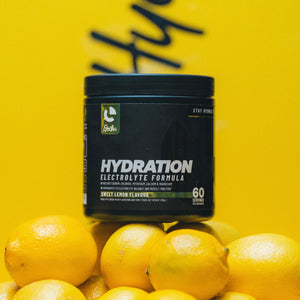
Do You Need Electrolytes Before HYROX?
Electrolytes are minerals involved in fluid balance, nerve signalling and muscle contraction.
Sodium is particularly relevant during exercise because it is lost through sweat.
An electrolyte drink may be useful for athletes who sweat heavily, compete in warm conditions or expect to be exercising for a prolonged period.
However, not every athlete needs additional electrolyte supplementation before a relatively short event.
| Electrolyte | Role |
|---|---|
| Sodium | Supports fluid balance and nerve signalling. |
| Potassium | Contributes to normal muscle and nerve function. |
| Magnesium | Supports normal muscle function and energy metabolism. |
| Calcium | Contributes to muscle contraction and nerve signalling. |
Electrolytes aren't a guaranteed cramp prevention strategy
Exercise-associated muscle cramps can have several contributing factors, including fatigue and exercise demands. Electrolytes support normal physiological function, but taking more does not guarantee that cramps won't occur.
Signs You May Be Dehydrated
Common signs include persistent thirst, darker urine, dry mouth and reduced urine output.
Dizziness, unusual fatigue or feeling unwell during exercise should not simply be ignored or attributed to dehydration.
If you become significantly unwell, stop exercising and seek appropriate medical assistance.
Practical HYROX Race-Day Nutrition Tips
Your nutrition plan should be something you can execute confidently when race-day nerves arrive.
The goal is to remove unnecessary decisions so you can focus on your warm-up, pacing and performance.
Prepare Your Fuel the Night Before
Organise your food and drinks before travelling to the venue.
What to Pack
- Your planned pre-race meal or breakfast ingredients.
- A familiar carbohydrate snack.
- Water or your usual electrolyte drink.
- Any supplements you've already tested during training.
- A post-race recovery snack or protein shake if a meal won't be available soon.
Early Morning HYROX vs Later Start Times
Your race start time influences how much you can comfortably eat beforehand.
Morning HYROX
If you have limited time before your race, consider a smaller familiar carbohydrate-rich breakfast.
Examples include a banana, toast, a bagel or a small serving of porridge.
Avoid forcing a large meal immediately before exercise.
Afternoon HYROX
Eat a normal carbohydrate-rich breakfast several hours before your race.
Depending on your start time, you may also have room for a familiar lunch or additional carbohydrate snack.
Continue drinking regularly throughout the day.
Should You Eat During HYROX?
Whether you need carbohydrates during your race depends largely on your expected finishing time, intensity and pre-race nutrition.
Athletes competing for longer periods may benefit from additional carbohydrate intake, provided they can tolerate it during exercise.
For shorter events, a well-planned pre-race meal may be sufficient.
Practise fuelling during compromised running
HYROX isn't the same as a steady road run. Taking a gel or drinking while moving between demanding workout stations may feel different from fuelling during normal running training. Practise your strategy during HYROX-style sessions before race day.
When Supplements Can Help HYROX Athletes
Whole foods should provide the foundation of your nutrition, but supplements can offer convenient support during training and competition.
The important thing is choosing products that address a genuine need rather than adding supplements simply because they're popular among other competitors.
Pre-Race Energy Support
Some athletes use caffeine before competition to support alertness and reduce perceived exertion.
However, caffeine tolerance varies considerably.
A product that works well during training may be useful on race day, but introducing a new pre-workout immediately before competition can increase the risk of unwanted side effects.
Be careful with high-stimulant pre-workouts
Race-day nerves can already increase feelings of anxiety and gastrointestinal discomfort. If you use caffeine, practise your dose and timing during training rather than experimenting with a stronger product on race morning.
Protein for Post-HYROX Recovery
After finishing your HYROX, your body needs nutrients to support muscle repair and replenish energy stores.
Protein provides amino acids that support muscle protein synthesis, while carbohydrates help replenish glycogen.
A protein shake can be a convenient option if you don't feel ready for a substantial meal immediately after racing.
Whey Protein
A convenient source of complete protein for post-race muscle recovery.
Creatine
May support repeated high-intensity exercise and strength training adaptations.
Carbohydrate Supplements
Gels, powders and sports drinks can provide convenient carbohydrate intake around exercise.
Choosing Supplements for HYROX
When selecting supplements, consider your individual training demands, dietary preferences and tolerance.
Look for clear ingredient information and choose products from reputable manufacturers.
Competitive athletes should also consider independent batch-testing programmes where appropriate.
Efectiv Nutrition offers sports nutrition products that can be incorporated into a wider training and recovery routine.
The priority should always be adequate food intake, hydration and a nutrition strategy you've practised before competition.
HYROX Pre-Race Nutrition FAQs
What should I eat the night before HYROX? +
How long before HYROX should I eat? +
Should I carb load before HYROX? +
Can I take pre-workout before HYROX? +
Should I take electrolytes before HYROX? +
Is a banana good before HYROX? +
Should I have protein before or after HYROX? +
What if I can't eat because of race-day nerves? +
Final Thoughts: Fuel Your HYROX Race Properly
You can spend months improving your running, strength and transitions, but your race-day nutrition deserves the same attention.
A successful fuelling strategy doesn't need to be complicated.
Eat sufficient carbohydrates, allow time for digestion, maintain hydration and avoid unfamiliar foods or supplements.
Most importantly, practise your nutrition during training so you know what works before arriving at the HYROX start line.
Train Hard. Fuel Smart. Recover Properly.
Your HYROX nutrition strategy doesn't end when you cross the finish line. Explore more Efectiv Nutrition guides to understand how protein, creatine and sports nutrition can support your training and recovery.


Leave a comment
This site is protected by hCaptcha and the hCaptcha Privacy Policy and Terms of Service apply.