


Whey protein isolate and whey protein concentrate are two of the most common forms of whey. Both provide complete protein, essential amino acids and leucine. This guide looks at what actually separates WPI from WPC and what human research tells us about protein intake, muscle growth and recovery.
WPI or WPC? If you train regularly, you have probably seen both on protein tubs.
WPI stands for whey protein isolate. WPC stands for whey protein concentrate.
The biggest difference is how much the whey has been filtered. WPI generally contains a higher percentage of protein and less lactose, carbohydrate and fat.
But that does not automatically mean WPI builds more muscle. Both provide complete protein and all nine essential amino acids.
Is WPI Better Than WPC?
WPI normally provides a higher concentration of protein with less lactose, carbohydrate and fat. WPC is also a high-quality complete protein. Current evidence does not show that choosing WPI instead of WPC automatically produces greater muscle or strength gains when total protein intake is adequate.
The bigger number
~1.6g/kg/day
A large meta-analysis found that gains in fat-free mass during resistance training levelled off at around 1.62g of total protein per kg of body weight per day.
WPI vs WPC: What's the Difference?
Both start as whey. The main difference is the amount of processing and filtration used to create the finished protein ingredient.
| Attribute | WPI | WPC |
|---|---|---|
| Full name | Whey Protein Isolate | Whey Protein Concentrate |
| Common grade | WPI 90 | WPC 80 |
| Processing | More extensively filtered | Less extensively filtered |
| Protein concentration | Generally higher | Generally lower than isolate |
| Lactose | Usually lower | Usually higher |
| Fat | Usually lower | Usually higher |
| Complete protein | Yes | Yes |
| Essential amino acids | Yes | Yes |
| Leucine | Yes | Yes |
Does more filtration mean more muscle?
Not automatically. WPI's higher protein concentration and lower lactose can be useful nutritional differences. But muscle growth still depends heavily on resistance training, total protein intake, energy intake and recovery.
What Is Whey Protein Isolate (WPI 90)?
Whey protein isolate is whey that has gone through additional filtration.
This removes more of the non-protein parts of whey, including much of its lactose and fat.
You may see WPI 90 used to describe whey protein isolate with a very high protein concentration.
The exact nutritional profile varies between ingredients and finished products, so the nutrition label matters more than the name alone.
Higher Concentration
WPI generally provides more protein for a given amount of powder.
Lower Lactose
Additional filtration removes more lactose than is normally removed from WPC.
Lower Fat & Carbs
WPI normally contains less fat and carbohydrate than whey concentrate.
What Is Whey Protein Concentrate (WPC 80)?
Whey protein concentrate goes through less processing than isolate.
A common ingredient is WPC 80, which describes a concentrate with a high proportion of protein.
Compared with WPI, it normally retains more lactose, carbohydrate and fat.
That does not make WPC a low-quality protein. It still provides all nine essential amino acids, including leucine.
31 people: WPI vs WPC in a direct comparison
A six-week study compared whey protein isolate, whey protein concentrate and placebo during concurrent resistance and endurance training. The study included 31 participants: 10 received WPI, 11 received WPC and 10 received placebo. Researchers did not find that WPI or WPC produced superior improvements in performance, cardiorespiratory fitness or strength adaptations during the study. View the human study.
Does Whey Protein Help Build Muscle?
Protein provides the amino acids your body uses to build new muscle proteins. Resistance training provides the stimulus.
One of the strongest pieces of evidence comes from a large systematic review and meta-analysis published in the British Journal of Sports Medicine.
Researchers combined 49 randomised controlled trials involving 1,863 people.
The researchers also found an additional increase in muscle fibre cross-sectional area of approximately 310µm².
Read the 49-study meta-analysis .
Training still matters
These numbers do not mean drinking whey builds muscle by itself. The research looked at protein supplementation alongside prolonged resistance training.
What happens to muscle protein synthesis after whey?
Muscle protein synthesis, often shortened to MPS, is the process your body uses to make new muscle proteins.
In one controlled study, seven healthy young men performed resistance exercise and consumed 25g of whey protein.
What do those percentages mean?
They describe the measured rate of muscle protein synthesis during the study. They do not mean the participants built 229% more muscle.
How Much Protein Do Athletes Need?
For most athletes, this question matters more than whether the protein powder uses WPI or WPC.
The International Society of Sports Nutrition states that around 1.4–2.0g of protein per kg of body weight per day is sufficient for most exercising adults.
Read the ISSN position stand .
| Body weight | 1.4g/kg/day | 2.0g/kg/day |
|---|---|---|
| 60kg | 84g | 120g |
| 70kg | 98g | 140g |
| 80kg | 112g | 160g |
| 90kg | 126g | 180g |
| 100kg | 140g | 200g |
Is more protein always better?
The 49-study meta-analysis found that increases in total protein intake beyond approximately 1.62g/kg/day did not produce further gains in fat-free mass during resistance training.
This is a population estimate rather than a hard upper limit for every athlete.
How much protein should you eat at once?
The ISSN gives a general recommendation of around 20–40g of high-quality protein per serving.
Another review proposed approximately 0.4g/kg per meal across at least four meals as a practical way to reach around 1.6g/kg/day.
View the protein distribution research .
| Body weight | Example at 0.4g/kg |
|---|---|
| 60kg | 24g protein |
| 70kg | 28g protein |
| 80kg | 32g protein |
| 90kg | 36g protein |
| 100kg | 40g protein |
20g vs 40g after training
One randomised crossover study looked at 30 resistance-trained men after a whole-body resistance workout.
Participants consumed either 20g or 40g of whey protein. The 40g serving produced a greater muscle protein synthesis response after the whole-body workout.
Do You Need Whey Immediately After Training?
No. You do not need to drink your shake the second your workout finishes.
The ISSN notes that the anabolic effect of exercise lasts for at least 24 hours, although the response becomes smaller as more time passes after exercise.
Daily Protein
Make sure you are eating enough protein across the whole day.
Protein Distribution
Spread useful servings of high-quality protein across meals rather than relying on one very large serving.
You do not have a 30-minute deadline
Protein around training can be useful, but there is no need to panic if you cannot drink a shake immediately. Your overall daily intake remains a major part of the picture.
Whey Protein for Hybrid Athletes
Hybrid athletes combine resistance exercise with endurance work, creating different recovery demands from strength training alone.
One controlled study gives us a useful example.
Eight healthy men completed:
- 8 sets of 5 leg extensions at 80% of 1RM
- 30 minutes of cycling at around 70% VO2 peak
They then consumed either 25g whey protein or placebo.
View the concurrent-training study .
Why this is useful for hybrid athletes
The study combined resistance and endurance exercise in the same session. That makes it particularly relevant when looking at nutrition around hybrid training.
Whey Protein Research at a Glance
| Study | Participants | Intervention | Main finding | Source |
|---|---|---|---|---|
| Protein + resistance training meta-analysis | 1,863 across 49 trials | Protein supplementation | +2.49kg 1RM strength and +0.30kg fat-free mass versus control. | PubMed |
| Whey + resistance training meta-analysis | 837 across 21 RCTs | Whey protein | Significant improvement in muscular strength across the included studies. | PubMed |
| WPI vs WPC | 31 | WPI, WPC or placebo for 6 weeks | No superior performance, fitness or strength adaptation from WPI or WPC. | PubMed |
| 20g vs 40g whey | 30 trained men | 20g or 40g after whole-body resistance exercise | 40g produced a greater post-exercise MPS response. | PubMed |
| Resistance exercise + whey | 7 men | 25g whey | MPS remained elevated through the five-hour measurement period. | PubMed |
| Concurrent training + whey | 8 men | 25g whey vs placebo | Post-exercise myofibrillar protein synthesis was 67% higher with whey. | PubMed |
| Native whey vs WPC-80 vs milk | 24 trained adults | 2 × 20g protein | Higher leucine availability did not translate into a greater post-exercise muscle anabolic response. | PubMed |
So, Which Should You Choose?
| If you want... | Consider |
|---|---|
| Higher protein concentration | WPI |
| Lower lactose | WPI |
| Lower fat and carbohydrate | WPI |
| Often lower cost | WPC |
| Complete protein | Either |
| Essential amino acids | Either |
| Support reaching daily protein intake | Either |
WPI vs WPC FAQs
Is WPI better than WPC? +
Does WPI build more muscle than WPC? +
Is WPI lower in lactose? +
How much protein do athletes need? +
Is 20g of whey enough after training? +
Do I need whey immediately after training? +
Is whey useful for hybrid training? +
WPI vs WPC: Focus on the Numbers That Matter
WPI normally provides a higher concentration of protein with less lactose, carbohydrate and fat.
WPC remains a complete, high-quality protein source.
For muscle growth and recovery, the bigger priorities are resistance training, adequate total protein intake and consistently meeting your nutrition needs.
Train Hard. Eat Enough Protein. Recover Properly.
Use WPI or WPC as a convenient way to help meet your daily protein needs. Choose the form that best fits your nutrition targets, digestion, training and budget.
Every dose on the label.
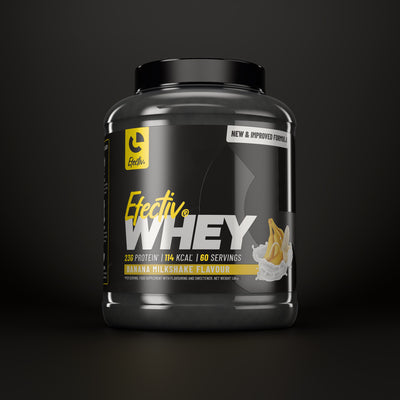
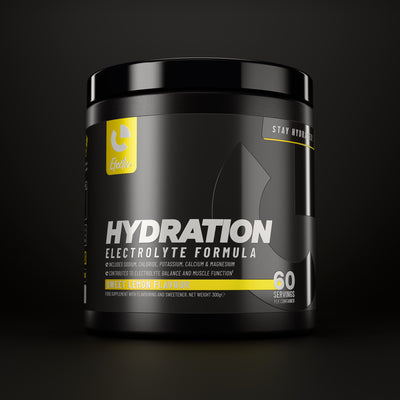
The products this guide mentions.