

HYROX is a global indoor fitness race combining endurance running with functional workouts. Every athlete completes the same format. This guide explains exactly what each station involves, how it feels on race day, and what usually separates strong performances from average ones.
What Does a HYROX Race Consist Of?

A HYROX race consists of 8 x 1km runs, each followed by a functional workout station. There are no skill-based movements — success comes down to aerobic capacity, strength endurance and pacing (you can also download the full HYROX race format PDF here). For a full breakdown of what to eat and drink on the day, see our HYROX race day fuel and hydration guide. If you're comparing HYROX to other training formats, our CrossFit vs Hybrid Training vs HYROX guide is a useful starting point.
What is HYROX?
HYROX is a global indoor fitness competition combining 8 km of HYROX running with 8 functional workout stations, held in major arenas around the world. Designed for all fitness levels, participants complete a 1 km run followed by one functional movement, repeated eight times. The standardised format enables global rankings and a World Championship. Also see what HYROX is like for the first time.
- 1km Run → 1,000m SkiErg
- 1km Run → Sled Push
- 1km Run → Sled Pull
- 1km Run → Burpee Broad Jumps
- 1km Run → 1,000m Row
- 1km Run → Farmers Carry
- 1km Run → Sandbag Lunges
- 1km Run → Wall Balls
Fuel the first 1km
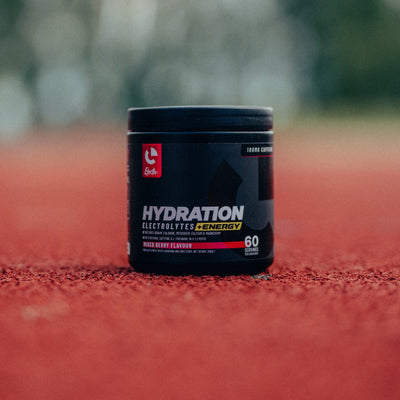
The opening SkiErg and run set the pace for the next hour. Hydration + Energy is five electrolytes with 100mg natural caffeine from green coffee and 200mg L-theanine, in one scoop. Choosing the right pre-workout for HYROX before the start line can make a measurable difference to your opening effort.
Station 1: SkiErg (1,000m)
The SkiErg opens the race and immediately elevates heart rate. Adrenaline is high and it is easy to overshoot effort.
Athletes who pull too aggressively often feel fine initially but struggle to control breathing during the following runs. Strong performers treat the SkiErg as a controlled aerobic effort, focusing on smooth strokes and calm breathing.
What it tests
Aerobic power, upper-body endurance and breathing control.
Why people struggle
Starting too hard and spiking heart rate before the race has properly begun.
Station 2: Sled Push
The sled push is the first major strength challenge. Heavy load and minimal rest place huge demand on the legs.
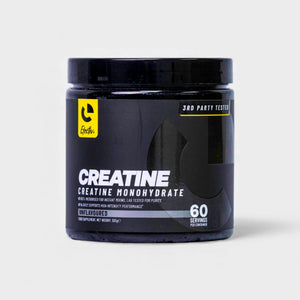
Poor body position wastes energy and causes quad fatigue that lingers through multiple runs. Efficient athletes keep hips low, core braced and use short, powerful steps. Supporting leg strength with creatine designed for HYROX athletes can help maintain power output across all eight stations.
What it tests
Leg strength, trunk stability and mental grit.
Why people struggle
Burning the legs too early and struggling to run efficiently afterwards.
Station 3: Sled Pull
The sled pull shifts the load to the upper body and posterior chain while breathing remains elevated.
Grip fatigue begins here and often impacts later stations such as farmers carry and wall balls. Controlled, full-body pulls are far more effective than rushing. If you want to build the specific strength needed for these movements, our HYROX preparation training guide covers the key sessions to prioritise.
What it tests
Upper-body endurance, grip strength and core control.
Why people struggle
Over-relying on arms and losing posture.
Station 4: Burpee Broad Jumps
Burpee broad jumps are often considered the most mentally demanding station. Progress feels slow and fatigue accumulates quickly.
Consistency matters more than speed. Short, repeatable jumps and smooth step-downs preserve energy and help athletes maintain momentum.
What it tests
Explosive power, coordination and mental resilience.
Why people struggle
Overjumping, unnecessary pauses and frustration.
Station 5: Row (1,000m)
The row rewards efficient technique and aerobic capacity. Athletes who overpull often see performance drop sharply in the following run. Understanding your HYROX race nutrition strategy — including when and what to consume between stations — is just as important as your pacing plan. For a broader look at fuelling endurance events, see our endurance supplement stack guide.
What it tests
Aerobic endurance and posterior chain efficiency.
Why people struggle
Poor pacing and excessive upper-body tension.
Keep the tank full
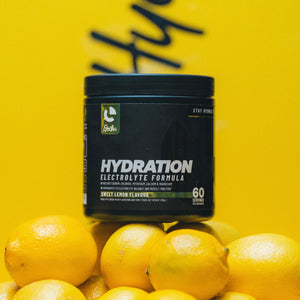
By the fourth run, sweat losses and fuel both start to bite. Carb Powder is a 2:1 dextrose and fructose blend. Hydration Electrolytes provides 400mg sodium per serving alongside a full electrolyte profile.
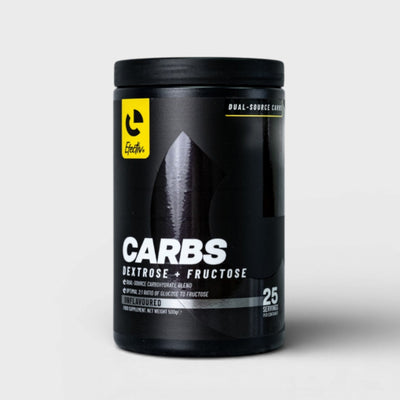
Carb Powder
✓ 66% Dextrose✓ 33% Fructose
From £14.99
Shop now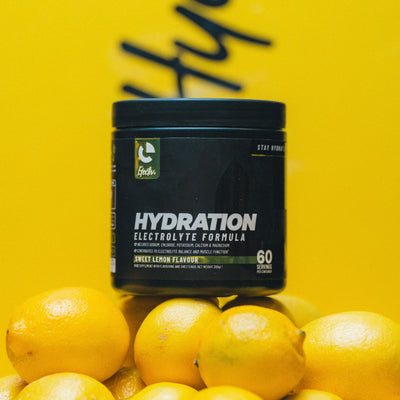
Hydration Electrolytes
✓ 400mg Sodium✓ 400mg Chloride
From £14.99
Shop nowStation 6: Farmers Carry
Grip fatigue is unavoidable at this point in the race. Maintaining posture and controlled breathing becomes the priority.
What it tests
Grip endurance, core stability and posture.
Why people struggle
Frequent drops and poor posture.
Station 7: Sandbag Lunges
This station exposes leg endurance and hip stability. Each step compounds fatigue built up throughout the race.
What it tests
Single-leg strength, balance and resilience.
Why people struggle
Overstriding, balance issues and loss of breathing rhythm.
Station 8: Wall Balls
The final station tests full-body endurance and mental toughness. Planning sets in advance is critical to avoid excessive rest. Prioritising HYROX recovery supplements in the days after the race helps rebuild muscle and restore readiness for your next training block.
What it tests
Leg endurance, breathing control and shoulder stamina.
Why people struggle
Unplanned breaks and inefficient squatting patterns.
Fuel HYROX Training the Smart Way
HYROX demands sustained energy, repeatable power and reliable recovery. Efectiv supplements are built to support hybrid athletes across long, demanding efforts. Read our guide on what makes an effective pre-workout for HYROX to find the right formula for your training. You can also explore our full range of HYROX supplements.
Recover for the next session
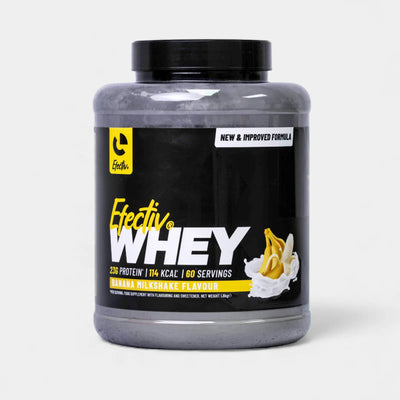
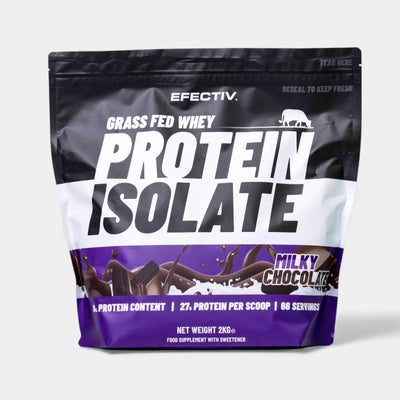
Protein contributes to the growth and maintenance of muscle mass. Whey Protein gives you 23g per serving across 10 flavours. Grass-Fed Whey Isolate gives you 27g per 30g scoop from ultra-filtered WPI90, and is naturally low in lactose. Clear Whey Isolate is 24g per serving in a lighter, juice-style drink. Browse the full range of protein supplements for HYROX athletes to find the right fit for your recovery goals.



Leave a comment
This site is protected by hCaptcha and the hCaptcha Privacy Policy and Terms of Service apply.