

Snatch in CrossFit®: Mastering Technique, Power & Precision
The snatch is one of the most technical lifts in CrossFit® — demanding speed, mobility, coordination, and full-body strength. This guide breaks down how to understand it, improve it, and integrate it into your training safely and effectively. For a complete look at CrossFit supplementation, explore our CrossFit supplement range.
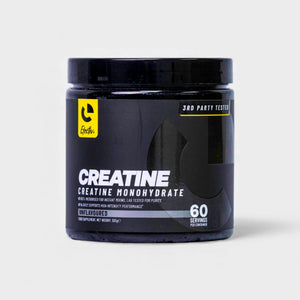
The snatch in CrossFit® is a cornerstone Olympic lift requiring the barbell to move from the ground to overhead in one continuous motion. It's a movement that blends explosive power with precision timing and full-body coordination. Supporting your training with the right nutrition — including creatine for power output and protein for recovery — can make a meaningful difference to your progress.
Understanding the Snatch

What is the Snatch?
The snatch is an Olympic weightlifting movement where the barbell is lifted from the floor to an overhead position in one fluid motion. It's widely used in CrossFit® and CrossFit Games competition to test explosive strength and movement efficiency. For a broader look at how CrossFit training benefits strength athletes, read our CrossFit benefits for strength guide.
Key idea
The snatch is not just about pulling hard — it's about positioning, timing, and speed under the bar.
Muscle Groups Worked
The snatch engages legs, glutes, back, shoulders, and core. The first pull builds leg drive, the second pull generates explosive hip extension, and the overhead position demands full stability. Supporting these muscle groups with adequate protein intake post-session is essential for adaptation and recovery.
- Quads & hamstrings — first pull from the ground
- Glutes & hips — explosive extension
- Shoulders & traps — bar control overhead
- Core — stabilisation in overhead squat

Snatch Techniques Explained
Squat Snatch
The most common variation in CrossFit®. The athlete receives the bar in a full overhead squat position, requiring mobility, timing, and confidence under load. Fuelling sessions with a quality pre-workout can support focus and energy for technical lifting — read our pre-workout guide for timing tips.
Power Snatch
The bar is caught above parallel in a partial squat. This variation builds explosive speed and power without requiring deep mobility demands. It's particularly useful for hybrid athletes who need to manage fatigue across multiple training modalities.
Muscle Snatch
A strict variation where the bar is pulled overhead without rebending the knees. This builds upper-body strength and turnover speed.
Improving Your Snatch Technique
Consistency beats intensity. Light, repeated practice builds better movement patterns than heavy, inconsistent attempts. Pair consistent training with a creatine protocol to support power output across sessions.
Key coaching points
- Keep the bar close to the body throughout the lift
- Maintain a strong back angle in the first pull
- Explode through the hips in the second pull
- Commit aggressively under the bar
Common mistake
Rushing the first pull causes the bar to drift forward, forcing inefficient compensation in the second pull. Reduce fatigue between sessions with a solid CrossFit recovery strategy so you can practise with quality movement every session.

Training Variations
Hang Snatch
Starts from above or below the knee, helping isolate the second pull and improve timing and hip power.
High Hang Snatch
Starts at the hip, forcing maximal explosiveness and fast turnover under the bar.
These variations are essential for athletes combining CrossFit® with running or HYROX training, as they improve explosive efficiency without excessive fatigue. See our hybrid athlete training guide for programming ideas.
Benefits of the Snatch in CrossFit®
Power & explosiveness
The snatch develops rapid force production, improving sprint ability, athletic speed, and high-intensity performance. Pairing snatch training with creatine monohydrate is one of the most evidence-backed strategies for supporting power output — read our Creatine 101 guide for the full breakdown.
Full-body strength integration
Few lifts connect mobility, stability, and strength like the snatch. It builds a complete athletic foundation. Support your strength development with our strength training supplement range, including protein for CrossFit athletes.
Injury prevention through control
When performed correctly, the snatch reinforces shoulder stability, core control, and movement awareness under load. Prioritise recovery between sessions — our CrossFit recovery strategies guide covers the key approaches, from nutrition to sleep support.


Leave a comment
This site is protected by hCaptcha and the hCaptcha Privacy Policy and Terms of Service apply.