

For some context, my names Chris Tomlinson. I'm a UK mountain leader, personal trainer and I've been involved in coaching clients for events and bucket list achievements for around 17 years. I've prepped clients in professional sport and worked alongside ordinary day to day adventurers wanting to achieve extra ordinary goals.
More recently, I made connections in Morocco, and expanded my group offerings for clients to the high Atlas Mountains, as a natural increase in level for those looking for something more adventurous than what the UK has to offer.
Mt Toubkal is the highest mountain in North Africa, standing at 4167m. Although this isn't a 'technical mountain' and skill level is relatively low, fitness must be high. At this altitude the oxygen availability is approximately 40% lower than at sea level & Vo2 max has a reduction of roughly 6.3% to 10% per 1,000 meters above 1,600 meters. This kind of aerobic demand is similar to what hybrid athletes face when combining endurance and strength training at high intensity.
- Do you have the work capacity to be able to make the summit?
- Should you go for a winter or summer ascent?

The difference between summer and winter ascents are night and day. In the summer, you'll have mules to aid carrying weight to the refuge, visible paths to follow, it's likely to be dry and you won't need as much clothing/kit/weight.
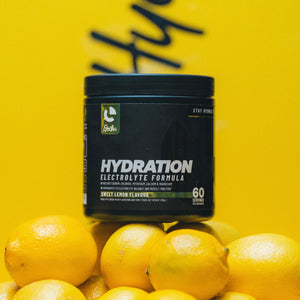
In the winter, Toubkal, like many winter summits, becomes a different beast. You're battling high winds, freezing temperatures and carrying everything you need. Food, water, warm clothing, spares of everything, ice axes, and emergency shelters etc. Staying on top of hydration and electrolyte balance in these conditions is critical — cold air and exertion at altitude accelerate fluid loss faster than most people expect.
Earlier in the month, I headed up a team to summit Mt Toubkal. For most, this was their first taste of altitude mountaineering. Some, their first taste of winter mountaineering. And for one, it was their first ever mountain summit EVER. I personally know everyone in the team, and made judgement previous to booking if they would be capable of the summit.
The first day consists of a 6 hour ascent just up to the refuge at 3200m from the village of Imlil. We got battered with wind, snow, hail but finally managed to seek shelter at the refuge for some warmth and rest.

For those that haven't stayed in a refuge before, they are basic, but comfortable. Rooms are mixed, with double bunk beds, of around 20-30 in a room. So ear plugs and eye masks are a must.
Sleeping is broken and irritable due to the altitude and body trying to acclimatise itself. Personally, I had a resting HR of around 88bpm, when at sea level is normally around 45bpm. Even getting up for the toilet spikes the HR and leaves you out of breath.
The early bird catches the worm
The next day, it's an early start and straight on the trail. Headtorches on and slow consistent moving. Mostly looking down at your feet to avoid tripping over a crampon in the dark. (Crampons are the spikes that allow you to walk safely on ice/snow).
Reaching the summit, there was a few tears from the group, smiles that have broken through after the doubt, and the reward of an epic sunrise. Despite the 50mph wind gusts and -17 temperature.
I mentioned earlier, relatively high levels of fitness is a must for summits such as these. Not due to the speed. But due to the strain on the body. The aerobic base required is comparable to what you'd build training for events like HYROX — sustained output over a long duration with no option to stop.
If one persons HR in the group is reaching zone 5 on the climbs, whereas another persons is zone 2. The first person is going to be expending too much energy, too much strain, and won't be able to sustain the pace. Regardless of how slow the group is moving.
Similar to runners that don't believe in accessory work or strength training, but spend most of their runs complaining about niggles and injuries. Similar to combat sports, that don't believe in strength training and prefer to do med ball slams or other high rep circuit style training, yet get thrown around a ring or cage due to lack of strength.
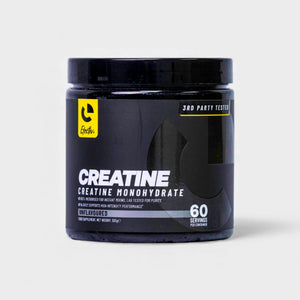
The principle of specificity is huge in sports, BUT there's also a principle of longevity and performance, which can only be adapted with external stimulus, based on the individual. Supporting that training with the right nutrition matters too — adequate protein intake supports muscle repair across multi-day efforts, and creatine is one of the most evidence-backed supplements for sustaining power output during repeated high-intensity efforts.
- Keep strength training
- Regularly stretch and mobilise
- Train your cardio in multiple HR zones and time domains
- AND YES, ensure you're still getting plenty of time in the mountains on your feet.
Because at the end of the day, we love the outdoors for adventure, and that's what we do it for.
Chris


Leave a comment
This site is protected by hCaptcha and the hCaptcha Privacy Policy and Terms of Service apply.