


CrossFit Workout Plan for Beginners
Starting CrossFit can feel overwhelming at first. This guide breaks it down into simple principles, beginner workouts, and a structured plan so you can train with confidence from day one. For more CrossFit resources, visit our CrossFit hub.
Understanding CrossFit for Beginners
CrossFit is a high-intensity fitness program built around functional movements performed at varied intensity. It combines strength training, cardio, gymnastics, and conditioning into structured daily workouts. For a deeper look at how to structure your training, see our CrossFit training guide.

What is CrossFit?
A typical CrossFit session includes a warm-up, skill or strength work, and a “Workout of the Day” (WOD), designed to challenge multiple fitness systems at once. CrossFit is also a core discipline for hybrid athletes looking to build all-round fitness.
Key idea
CrossFit is not random workouts — it is structured training built around progressive overload and movement quality.
Benefits for Beginners
Why beginners progress quickly
CrossFit builds strength, endurance, coordination, and mobility at the same time. The constant variation keeps training engaging and reduces boredom. For guidance on building strength and stamina specifically, see our CrossFit strength and stamina guide.
Important
Scaling makes CrossFit accessible for all fitness levels — every movement can be modified.
Beginner Workout Plan
Start with 3–4 training days per week. Focus on movement quality before intensity. Managing your training load carefully also helps you avoid overtraining as a beginner.
Weekly structure
- Day 1: Technique + light WOD
- Day 2: Rest or active recovery
- Day 3: Strength + conditioning
- Day 4: Full-body WOD
Beginner Workout Examples
10-minute AMRAP
• 10 air squats
• 5 push-ups (scaled on knees)
• 10 ring rows
For time
• 3 rounds
• 200m run
• 10 kettlebell swings (light)
• 8 burpees
Scaling Workouts
How scaling works
Scaling adjusts reps, load, or movement complexity so beginners can train safely while still getting the intended stimulus.
Example
Pull-ups → ring rows
Box jumps → step-ups
Barbell squats → air squats

Nutrition for CrossFit
Fuel for performance
Prioritise protein for recovery, carbohydrates for training energy, and hydration for performance consistency. For a full breakdown, see our CrossFit nutrition guide.
Key supplements for beginners
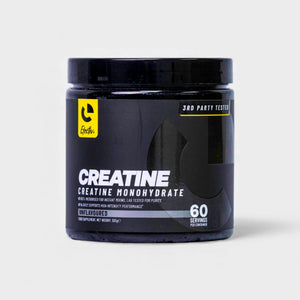
Whey protein supports muscle repair after sessions. Creatine can improve strength and power output as you progress. Read our guide on why CrossFit athletes should use creatine for more detail.
Staying Consistent
What actually drives progress
Progress in CrossFit comes from showing up consistently, not from maximum effort every session. Small improvements compound over time. Knowing how to train smart and avoid overtraining is one of the most important skills a beginner can develop.
Support & Coaching
Why coaching matters
A good coach ensures proper technique, safe scaling, and structured progression so beginners avoid injury and build confidence. Pair good coaching with the right CrossFit supplement stack to support your training from day one.
Ready to start your CrossFit journey?
Explore our CrossFit hub for training guides, nutrition advice, and supplements designed for all levels.


Leave a comment
This site is protected by hCaptcha and the hCaptcha Privacy Policy and Terms of Service apply.