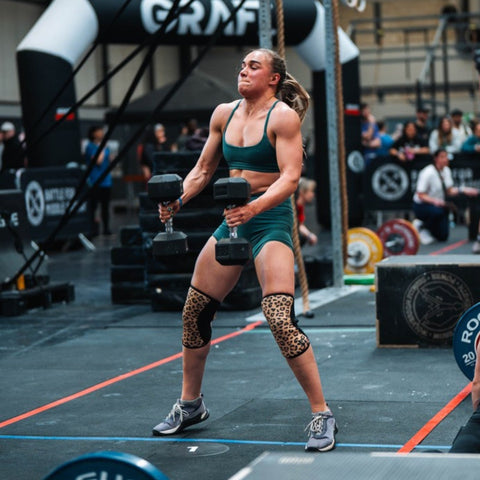


When you're pushing through intense WODs, Open prep, or high-volume training cycles, recovery is what determines progress. This guide breaks down seven recovery strategies to build into your training week. For a look at how elite athletes like Harry Lightfoot approach recovery, check out his full athlete profile.
Understanding CrossFit Recovery
CrossFit places unique stress on the body through Olympic lifting, gymnastics, metabolic conditioning, and endurance work. Recovery isn't optional, it's what allows adaptation, strength gains, and injury prevention. Understanding the right supplements for CrossFit is a key part of that recovery system.
The importance of recovery
Without proper recovery, performance stagnates. Glycogen stores remain depleted, muscle tissue repair slows, and fatigue accumulates across training sessions.
Key takeaway
Recovery is not downtime, it's when adaptation happens. You don't improve during the workout, you improve after it.
Signs you're under-recovering
- Persistent muscle soreness lasting more than 72 hours
- Drop in performance across WODs
- Increased fatigue or poor sleep quality (see our nighttime recovery drink)
- Reduced mobility and stiffness

1. Hydration: the foundation of recovery
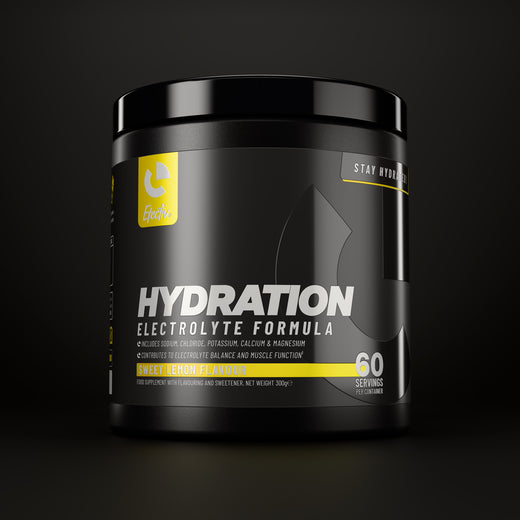
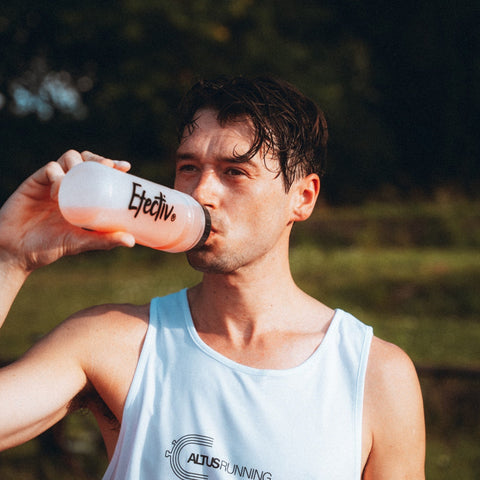
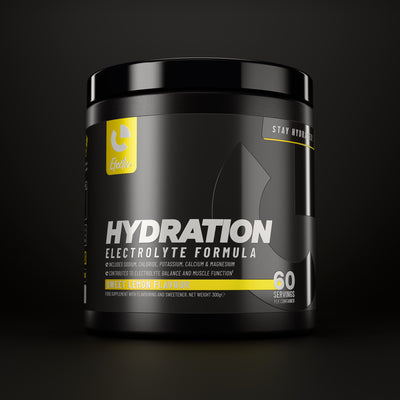
Hydration supports muscle function, nutrient transport, and nervous system recovery. Even mild dehydration can reduce performance and delay recovery between sessions. Our EFECTIV Hydration Electrolytes are designed specifically to replenish the minerals lost during intense CrossFit training.
Hydrate consistently, not reactively
Don't wait until after training. Maintain steady fluid intake throughout the day and replenish electrolytes after intense sessions.
2. Nutrient timing after training
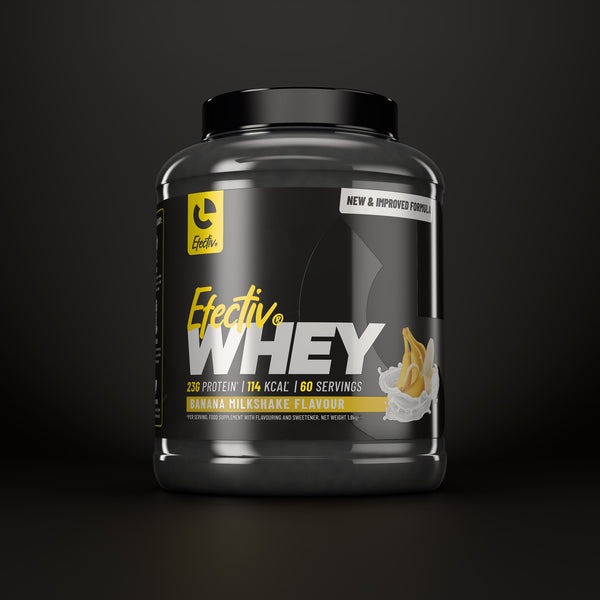
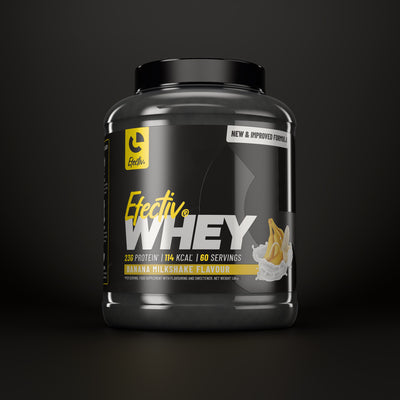
The post-workout window is key for restoring glycogen and initiating muscle repair. Protein + carbohydrate intake within 30–60 minutes improves recovery outcomes. A fast-absorbing whey protein shake is one of the most effective tools here, our whey protein buyer's guide can help you choose the right option. For overnight recovery, our Casein 101 guide explains how slow-release protein supports muscle repair while you sleep.
3. Active recovery
Light movement increases blood flow, reduces stiffness, and accelerates recovery without adding training stress.
- Walking or light cycling
- Mobility flows
- Low-intensity swimming
- Foam rolling for tight areas
4. Sleep optimisation
Sleep is where hormonal recovery, tissue repair, and nervous system reset occur. Poor sleep directly reduces strength, endurance, and coordination. Our EFECTIV Sleep Powder is formulated to support deeper, more restorative sleep on hard training nights.
5. Managing soreness (DOMS)
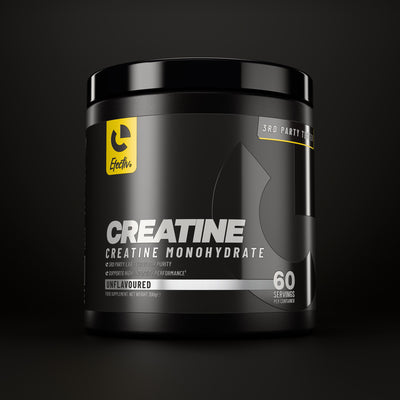
Delayed Onset Muscle Soreness is normal, especially after new or high-intensity movements. However, prolonged soreness signals inadequate recovery strategies. Creatine has been shown to reduce DOMS and support faster recovery, read our Creatine 101 guide to understand how to use it effectively.
What helps most
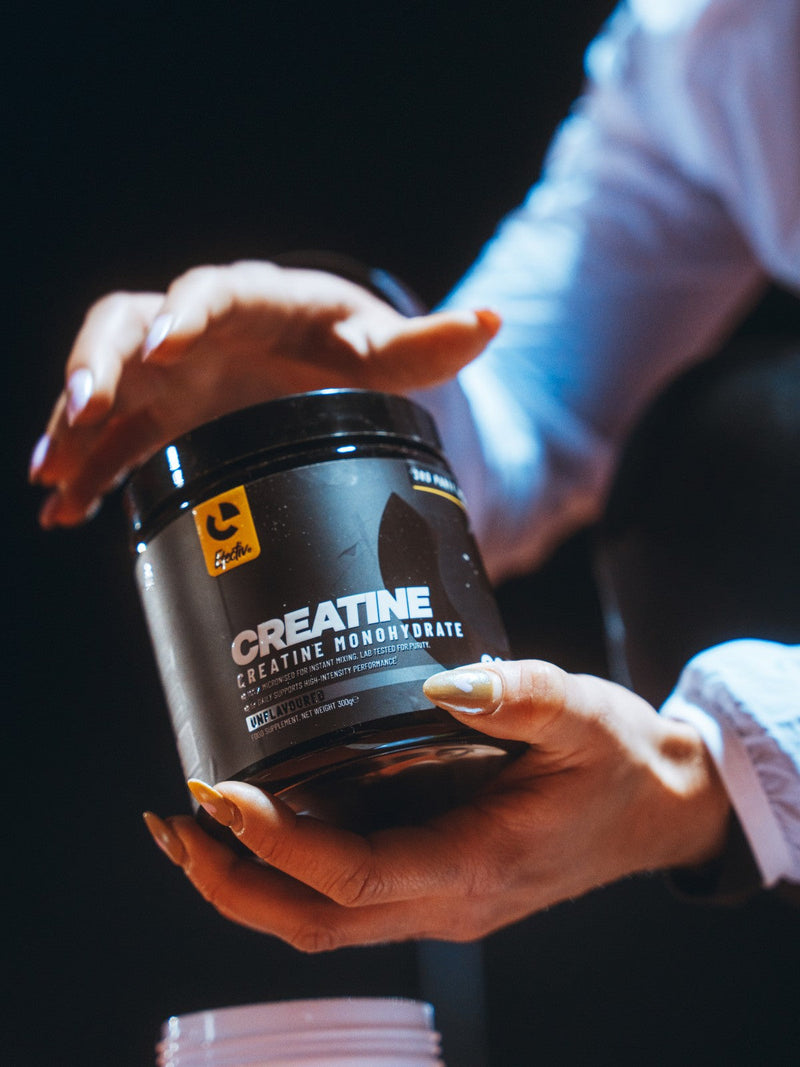
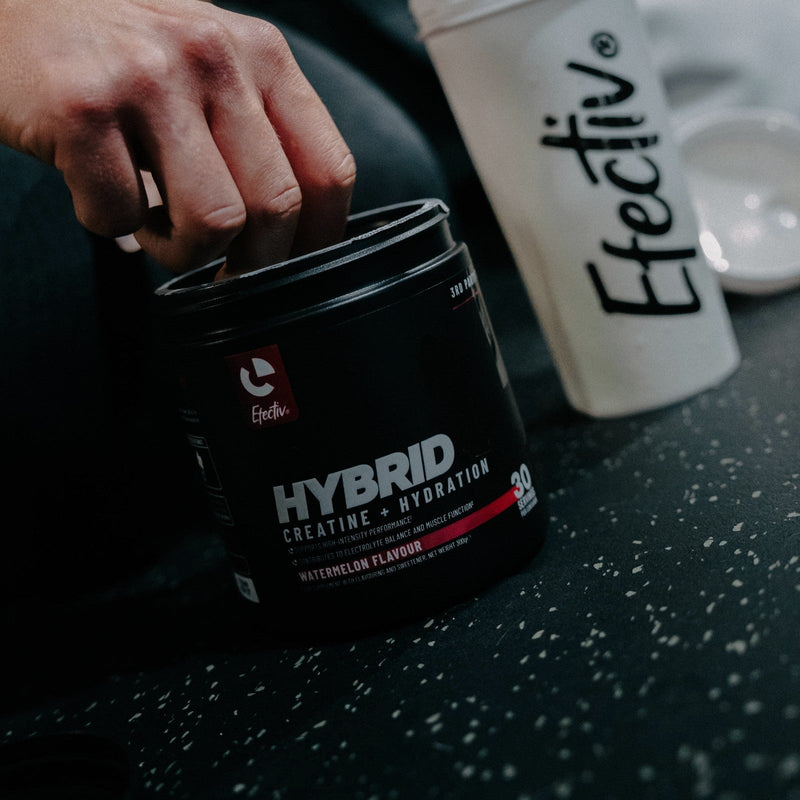
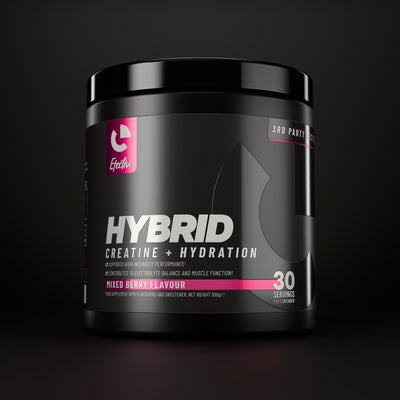
Hydration, active recovery, and consistent post-workout nutrition are the most effective ways to reduce DOMS. Our Hybrid Creatine + Hydration combines creatine monohydrate with electrolytes in a single convenient formula.

6. Structuring your recovery week
Recovery should be planned, not reactive. Build it into your training cycle just like WODs and lifting sessions. Explore our full range of strength training supplements to support every phase of your programme.
7. CrossFit Open recovery strategy
During competition phases, recovery becomes performance-critical. Prioritise sleep, hydration, and immediate post-workout nutrition. For a complete breakdown of the best supplements to use during competition prep, see our guide on the top 3 supplements for CrossFit competitions.
Open tip
Reduce training volume between events and focus on maintaining freshness rather than adding extra work.
Frequently asked questions
How long should CrossFit recovery take?
Most athletes need 24–72 hours depending on training intensity and experience level.
Should I train through soreness?
Mild soreness is fine, but performance-limiting soreness suggests you should prioritise recovery instead.
What is the fastest recovery method?
There is no single shortcut, sleep, nutrition, hydration, and active recovery combined deliver the best results. Our strength and energy supplement range is built to support all of these pillars.
Recover smarter, perform harder
Build recovery into your training system and your performance will follow. Consistency beats intensity when it comes to long-term CrossFit progress. Browse our full supplement range to find the right recovery stack for your goals.
Every dose on the label.
The products this guide mentions.