


Creatine for Runners: Benefits, Myths & Smart Supplementation
Creatine is one of the most researched supplements in sport — but is it right for runners? We explore performance benefits, weight gain concerns, recovery support, and how to use creatine effectively within an endurance training plan.
Creatine is a popular supplement, but is it right for runners? While often associated with strength sports, creatine supplementation may offer meaningful benefits for endurance athletes — particularly during high-intensity efforts, heavy training blocks, and race finishes.
Understanding Creatine for Runners
What Is Creatine?
Creatine is a naturally occurring compound found in muscle cells. The body naturally produces creatine, and it is also obtained through foods like meat and fish. As a supplement, it is widely used to enhance muscle strength and power by increasing creatine levels within muscle tissue.
How Creatine Works in the Body
Creatine plays a central role in ATP (adenosine triphosphate) regeneration — the primary energy source for muscle contractions. When you supplement with creatine, muscle creatine stores increase, allowing faster ATP replenishment during high-intensity activity.
Why Creatine Monohydrate?
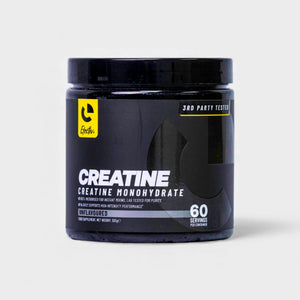
Among the various forms available, creatine monohydrate is the most researched, reliable, and cost-effective option. The majority of studies referencing performance benefits are based on creatine monohydrate supplementation.
Pure creatine monohydrate remains the gold standard for safety, absorption, and effectiveness.

The Benefits of Creatine Supplementation
Enhances short bursts of power during sprints, hill climbs, and interval sessions.
Supports muscle repair and may reduce muscle breakdown during heavy mileage phases.
Improves ATP regeneration to help maintain output during demanding sessions.
While not a direct endurance booster like carbohydrates, creatine supplementation can enhance the quality of hard efforts within endurance training.
Addressing Weight Gain Concerns
Does Creatine Make You Gain Weight?
Creatine use may cause a small increase in body weight. However, this is primarily due to intramuscular water retention, not fat gain.
Water Retention vs. Muscle Gain
Creatine increases water content inside muscle cells, contributing to a fuller muscle appearance and slight scale increase. Over time, improved training quality may also support lean muscle development.
Realistic Expectations for Runners
Creatine should be viewed as a performance and recovery tool, not a bulking strategy. For most runners, any weight change is small and outweighed by training benefits.

How to Use Creatine Effectively
Recommended Dosage
Most evidence supports a daily intake of 3–5 grams of creatine monohydrate to maintain elevated muscle creatine stores.
The Loading Phase Explained
- 20 grams per day
- Split into 4 doses
- For 5–7 days
A loading phase can saturate muscles more quickly, but it is not essential. A steady 3–5g daily dose will achieve the same result over time.
When to Take Creatine
Timing is less important than consistency. Many runners add creatine to a post-run protein shake or smoothie. Some research suggests post-workout intake may enhance uptake due to improved blood flow.
Common Misconceptions About Creatine
Myth: Creatine Causes Fat Gain
The weight increase is primarily water stored inside muscle tissue, not fat accumulation.
Possible Side Effects
Creatine monohydrate is generally safe, but some individuals may experience mild bloating or stomach discomfort. Staying well hydrated can help minimise these effects.
Balanced Supplementation
Creatine should complement — not replace — a structured training plan, balanced diet, and proper hydration strategy.
Race Preparation
Taking creatine consistently in the weeks before a race may help ensure muscle stores are saturated — supporting powerful finishes and hill efforts.

Integrating Creatine into Training
Stacking With Other Supplements
Creatine pairs well with protein for recovery and carbohydrates for enhanced muscle uptake. Always prioritise safety and consult a professional if unsure.
Long-Term Benefits
Over sustained training cycles, creatine supplementation may support muscle preservation, improved training intensity, and better overall adaptation.
Is Creatine Right for You?
The benefits of creatine for runners include enhanced high-intensity performance, recovery support, and improved energy regeneration. Understanding proper dosage, weight expectations, and realistic outcomes is key.




Leave a comment
This site is protected by hCaptcha and the hCaptcha Privacy Policy and Terms of Service apply.