

Protein Powder for Weightlifting: Benefits & Usage
Protein powder is one of the most effective tools for supporting muscle growth, recovery, and performance in resistance training. This guide breaks down how it works, when to use it, and how to get the most from it.
Protein powder is a cornerstone supplement for weightlifting and resistance training. When used correctly, it helps optimise muscle growth, improve recovery, and ensure you consistently meet your daily protein needs. Not sure which type is right for you? Our guide to the different types of protein powder covers every option in detail.
Key takeaway
Protein powder doesn't build muscle on its own — it supports the training and recovery process that does. For a full breakdown of how protein fits into a strength training plan, see our best protein for strength training guide.

Understanding Protein Powder
What is Protein Powder?
Protein powder is a concentrated source of protein derived from foods like milk, eggs, or plants. It's designed to provide a fast, convenient way to increase protein intake, especially for those training at high intensity. Browse our full protein powders range to find the right option for your goals.
Convenience + absorption
Protein powders are easy to digest and quickly absorbed, making them ideal around training sessions where recovery matters most.
Types of Protein Powders
Each type of protein powder has different absorption rates and use cases. See our protein powder types guide for a full comparison.
Fast-digesting
Rapid absorption makes whey ideal post-workout to kickstart muscle recovery and protein synthesis. See our whey isolate vs whey protein guide to choose the right option.
Slow-release
Digests gradually, providing a steady stream of amino acids — ideal before sleep. Read our casein protein guide for more detail.
Alternative options
Sources like pea, soy, and rice protein provide flexible options for plant-based athletes. See our vegan protein powder for a complete plant-based option.
Why Use Protein Supplements?
Protein supplements make it easier to consistently hit your daily protein target. This is essential for maintaining a positive protein balance, which supports muscle growth and recovery.

The Role of Protein in Weightlifting
How Protein Supports Muscle Growth
Resistance training creates stress in muscle fibres. Protein provides the amino acids needed to repair and rebuild those fibres stronger than before. For a deeper look at how to structure your protein intake around strength training, see our protein for strength training guide.
Muscle growth simplified
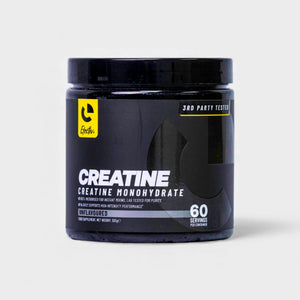
Train hard → create muscle damage → provide protein → recover → grow stronger. Pair protein with creatine for an even more effective strength and recovery combination.
Protein and Exercise
Without enough protein, your body struggles to repair muscle tissue. This can limit strength gains, recovery, and overall performance progression.
Effects on Recovery
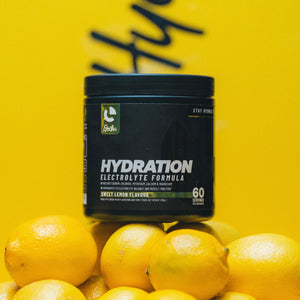
Post-workout protein intake helps reduce soreness, speed up recovery, and prepare your body for the next training session. Support your recovery further with electrolytes post-workout to replace fluids and minerals lost during training.
How to Use Protein Powder Effectively
When to Take Protein
| Timing | Benefit |
|---|---|
| Post-workout (30–60 mins) | Maximises muscle recovery and protein synthesis. Pair with electrolytes to rehydrate. |
| Before bed | Supports overnight muscle repair (casein). Combine with our night-time recovery supplement for deeper sleep and faster repair. |
| Between meals | Helps meet daily protein intake targets. |
Best Practices for Shakes
Simple mixing tips
- Use a shaker bottle for a smooth consistency
- Mix with water, milk, or plant alternatives
- Add fruit or oats for extra nutrition
Combining with Training
Protein intake should align with your training schedule. Pairing protein with carbohydrates post-workout improves recovery and replenishes energy stores. Adding creatine to your post-workout shake is one of the most effective ways to support both strength output and recovery between sessions.
Whole Foods vs Supplements
High-Protein Foods
Whole foods should form the base of your diet. Lean meats, eggs, dairy, legumes, and grains all contribute to your daily protein intake.
When Supplements Make Sense
Protein powders are useful when food intake isn't enough, or when convenience is needed around training. Browse our protein powders range to find the right fit for your routine.
Reality check
If you can hit your protein target through food alone, supplements are optional — not essential.
Balancing Both
The best approach combines whole foods with strategic supplementation to fill gaps and support performance.
Choosing the Right Protein
How Much Protein Do You Need?
Most weightlifters benefit from:
Daily intake
1.6–2.2g of protein per kg of body weight for optimal muscle growth and recovery.
What to Look For
- High-quality protein source — see our protein types guide for a full breakdown
- Protein per serving shown on the label
- A full ingredients list
Long-Term Benefits
Consistent protein intake supports muscle growth, recovery, overall health, and long-term training performance. For a complete strength nutrition strategy, see our best protein for strength training guide.
Ready to build stronger?
Explore more guides on muscle growth, recovery strategies, and performance nutrition built for serious training. Start with our protein powders range to find the right option for your goals.


Leave a comment
This site is protected by hCaptcha and the hCaptcha Privacy Policy and Terms of Service apply.