

Best Protein for Strength Training & Muscle Growth
Strength work is essential for runners but without enough protein, you won't fully recover or adapt. This guide breaks down the best protein sources, timing strategies, and practical meals to help you build muscle and support performance. For a sport-specific overview, see our guide to whey protein for runners.
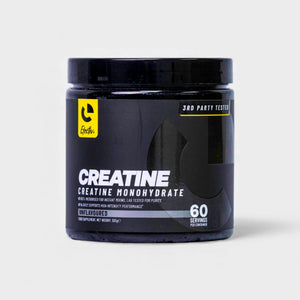
Protein is essential for runners who incorporate strength training into their routines. Whether you're lifting to prevent injury, improve power, or build resilience, your ability to recover and adapt depends heavily on protein intake. Pairing protein with creatine is one of the most effective combinations for supporting both strength output and recovery.

Understanding Protein for Muscle Growth
Simple takeaway
Strength training breaks muscle down. Protein is what rebuilds it stronger. Browse our full protein powders range to find the right option for your training.
Protein drives muscle protein synthesis — the process responsible for repairing and building new muscle tissue. Without enough protein, your body struggles to adapt to training, limiting both strength gains and recovery.
What is the best protein?
High-quality, complete proteins deliver all essential amino acids needed for muscle repair. Not sure which type is right for you? Our guide to the different types of protein powder breaks down every option in detail.
Whey protein
Quickly digested and ideal post-workout to kickstart recovery and muscle repair. See our Efectiv Whey Protein for a clean, high-quality option.
Animal proteins
Chicken, fish, eggs and dairy provide complete amino acid profiles for growth.
Vegan sources
Soy, quinoa and mixed plant proteins can deliver full amino acid coverage. See our vegan protein powder for a complete plant-based option.
How much protein do you need?
Most runners and hybrid athletes should aim for:
| Training level | Protein intake |
|---|---|
| General training | 1.2g/kg bodyweight |
| Strength + running | 1.4–1.7g/kg |
| Heavy strength focus | Up to 2.0g/kg |
Consistency matters more than perfection — spreading intake across the day improves absorption and muscle building.
Protein Sources: Meals & Snacks
Post-workout meals that work
Combine protein + carbs to maximise recovery and replenish energy stores. If you're also doing cross-training, see our cross training workouts for runners guide to align your nutrition with your session type.
Chicken + quinoa
High protein with slow carbs for glycogen replenishment.
Salmon + sweet potato
Protein plus healthy fats to support recovery and inflammation control.
Eggs + toast
Simple, effective, and ideal for quick recovery meals.
Smart snacks
- Greek yoghurt with berries
- Protein shakes
- Cottage cheese
- Trail mix with nuts and seeds
Consistency beats spikes
Regular protein intake throughout the day is far more effective than one large serving.
Protein Shake Essentials

How to build a better shake
Step 1: Protein base
20–40g whey or plant protein. Browse our protein powders range to find the right base.
Step 2: Carbs
Add fruit, oats or honey to replenish glycogen.
Step 3: Fats
Nut butter or seeds for satiety and nutrients.
Whey isolate vs hydrolysed
Not sure which to choose? Our whey isolate vs whey protein guide covers the key differences in detail.
Whey isolate
Higher protein content with minimal carbs and fats. See our grass-fed whey isolate.
Hydrolysed whey
Pre-digested for rapid uptake post-workout.
Timing Your Protein Intake
Key rule
Daily intake matters most — timing just fine-tunes results.
Post-workout
Aim for 20–40g of protein within 1–2 hours after training to maximise muscle repair.
Pre-run
Small protein intake (10–20g) can reduce muscle breakdown and stabilise energy levels.
Daily distribution
Spread protein across 3–5 meals/snacks to maintain consistent muscle protein synthesis. Support overnight recovery with our night-time recovery supplement — it helps protect sleep quality and supports muscle repair while you rest.
Real Scenarios for Runners
Early morning training
Quick shake or yoghurt helps kickstart recovery without heavy digestion.
Long runs
Small protein intake during longer sessions can reduce muscle breakdown. Pair with electrolytes to maintain hydration and performance.
Race day
Prioritise carbs, but include light protein pre- and post-race for recovery. See our HYROX race day nutrition guide for a complete fueling strategy.
Final Thoughts
Strength training without adequate protein is a missed opportunity. By consistently hitting your daily protein intake, choosing high-quality sources, and aligning nutrition with your training, you'll recover faster, build more strength, and perform better. Read our whey protein for runners guide to see how protein fits into a complete running nutrition plan.
Build stronger, run faster
Protein is one of the simplest ways to improve recovery and unlock better performance. Browse our protein powders range and apply these strategies consistently to get more from every session.


Leave a comment
This site is protected by hCaptcha and the hCaptcha Privacy Policy and Terms of Service apply.