



For runners, understanding how much protein to include in your diet is crucial for performance and recovery. Protein supports muscle repair, energy processes, and endurance. This guide breaks down why runners need protein, how much is enough, and how to optimise intake. For a broader overview of running nutrition, visit our running hub.
Protein helps with muscle repair, energy support, and overall endurance. Let’s dive into optimising protein intake for runners. For complementary guidance on fuelling your runs, see our marathon fueling strategy guide and our advice on what to eat before a run.
Why Do Runners Need Protein?
The Role of Protein in Recovery
After long runs or intense sessions, muscle fibres experience microscopic damage. Protein supports protein synthesis, helping muscles recover, rebuild, and adapt. Essential amino acids play a key role in strengthening muscle tissue and improving performance. For more on recovery nutrition, see our endurance supplement stack guide.

Protein and Muscle Preservation
During high mileage or calorie restriction, runners risk muscle loss. Eating enough protein helps preserve lean muscle mass and prevents muscle tissue breakdown for energy. This is particularly important for hybrid athletes who combine running with strength training.
Energy Support Through Protein
While carbohydrates are the primary fuel source, protein supports metabolic processes and helps stabilise blood sugar levels, contributing to sustained energy release. See our carbohydrate fuelling guide for how to balance carbs and protein effectively.
How Much Protein Do Runners Need?
Protein needs depend on body weight, training intensity, and goals.
| Body Weight | 1.2g/kg | 1.7g/kg |
|---|---|---|
| 60kg | 72g | 102g |
| 70kg | 84g | 119g |
| 80kg | 96g | 136g |
As a general guideline, aim for 1.2–1.7 grams per kilogram of body weight daily. If you’re also doing strength or CrossFit training alongside running, your needs may sit at the higher end, see our CrossFit nutrition guide for more context.
Signs You’re Not Getting Enough Protein
- Prolonged muscle soreness
- Increased fatigue
- Frequent injuries
- Performance plateaus
Best Sources of Protein for Runners
Lean meats, poultry, fish, eggs, dairy, beans, and lentils provide complete protein plus essential micronutrients.
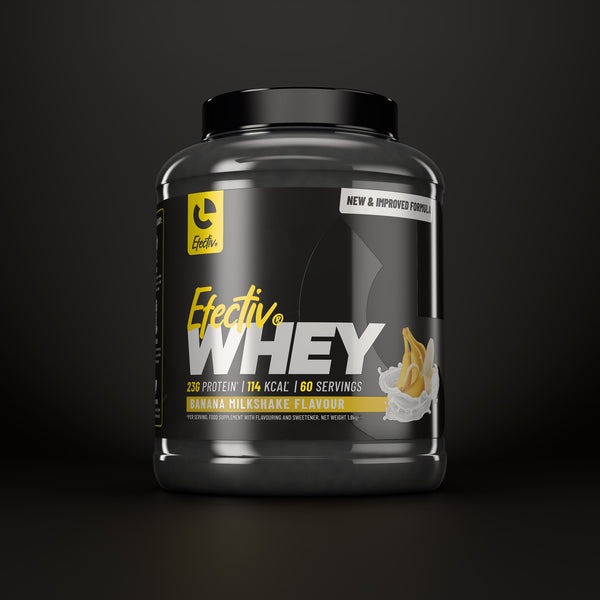
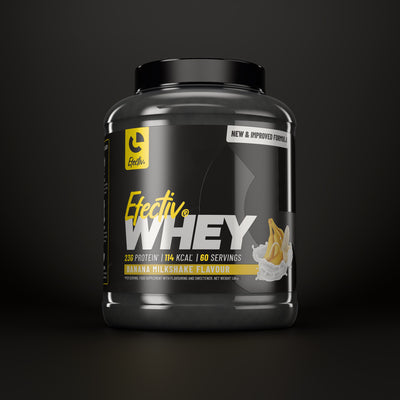
Whey, casein, and plant-based powders offer convenient post-run recovery options that are easy to consume within the recovery window.
Ideal for on-the-go fuelling when whole meals aren’t practical. Explore our protein range for convenient options.
Timing Your Protein Intake
Best Time for Recovery
Consume protein within 30–60 minutes after running to support muscle repair and glycogen replenishment. Pairing a protein shake with a carbohydrate source is a practical and effective post-run strategy.
Pre-Run and Post-Run Strategies
Before running, combine small amounts of protein with carbohydrates for stable energy. After running, prioritise protein plus carbs to maximise recovery. For detailed pre-run meal ideas, see our guide on what to eat before a run.
When Protein Supplements Make Sense

Protein supplements help runners who struggle to meet daily protein targets through whole foods alone. Busy schedules, appetite limitations, or dietary restrictions may justify supplementation. Our protein powder range includes both whey and plant-based options to suit different dietary needs.
Practical Tips to Ensure You Get Enough Protein
Smart Meal Planning
Include a protein source in every meal and snack to maintain steady amino acid availability throughout the day. For a complete nutrition framework, see our endurance supplement stack guide.
Combine Protein with Carbs
Pair protein with carbohydrates after long or intense runs to optimise glycogen replenishment and muscle repair. Our marathon fueling strategy guide covers how to structure this around race training.
Consistency Over Shortcuts
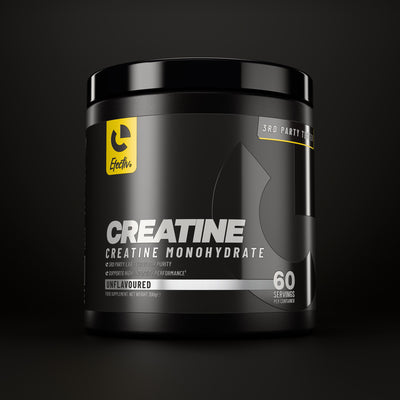
Rather than relying on occasional high-protein days, focus on consistent intake. Steady daily protein supports endurance adaptations and long-term performance. If you’re also using creatine, see our guide on creatine for endurance athletes for how to stack it effectively.
Make Protein a Daily Habit
Consistency, quality sources, and smart timing will help you recover better, maintain muscle, and perform stronger over time.
Every dose on the label.
The products this guide mentions.