

Electrolytes & Hydration: Prevent Muscle Cramps & Dehydration
For runners pushing their limits, maintaining proper hydration and electrolyte balance is crucial. Whether you're tackling early morning miles before work, enduring a long Sunday run, or lining up on race day, understanding how fluids, hydration supplements and electrolytes influence muscle function can make the difference between smooth miles and painful cramps.
Hydration is one of the most overlooked performance factors for endurance athletes. When runners sweat, they lose both fluid and electrolytes. If those losses aren't replaced, muscle function can become impaired, leading to fatigue, decreased performance, and the dreaded muscle cramp.
Why cramps happen during runs
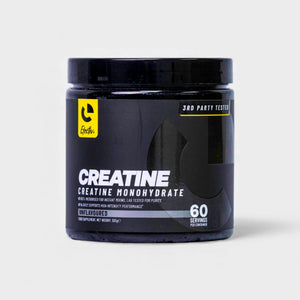
Muscle cramps during endurance exercise are often linked to dehydration (like you see in Hyrox), fatigue, and electrolyte imbalance. When fluid and minerals are lost through sweat and not replaced, nerve signals controlling muscle contractions can become disrupted (see our creatine hydration).
Simple rule for runners
Hydrate consistently and replace electrolytes during longer runs. Fluids alone aren't always enough if sweat losses are high.

Understanding Muscle Cramps
What Causes Muscle Cramps?
Muscle cramps are common among endurance athletes, particularly runners during longer or more intense sessions. Several factors may contribute to cramping, including fatigue, overexertion, and inadequate stretching.
However, dehydration and electrolyte imbalance are two of the most significant triggers. Sweat losses reduce fluid levels and essential minerals, increasing the likelihood of involuntary muscle contractions.
Common causes of exercise cramps
- Muscle fatigue from long training sessions
- Inadequate hydration
- Electrolyte imbalance from heavy sweating
- Poor pacing or overexertion
- Individual susceptibility to cramping
How Dehydration Makes Muscles More Susceptible
Dehydration reduces blood volume, limiting the delivery of oxygen and nutrients to working muscles. As fluid levels drop, nerve signals controlling muscle contraction can become overstimulated.
This increased excitability can cause muscles to contract involuntarily, resulting in painful cramps. Proper hydration helps maintain circulation and normal muscle signalling.
The Role of Electrolytes in Muscle Function
Electrolytes are minerals that carry electrical charges and regulate muscle contraction, nerve signalling, and fluid balance.
Fluid balance
Helps regulate hydration levels and nerve communication.
Muscle contraction
Supports proper muscle contraction and cellular function.
Muscle relaxation
Helps muscles relax and reduces cramp risk.

Importance of Hydration
How Much Water Do You Really Need?
Fluid needs vary depending on exercise intensity, duration, weather conditions, and individual sweat rate.
A practical guideline is to drink enough fluids to replace sweat losses during training. Monitoring urine colour can help assess hydration status:
| Urine Colour | Hydration Status | Action |
|---|---|---|
| Pale yellow | Well hydrated | Maintain fluid intake |
| Dark yellow | Mild dehydration | Increase water intake |
| Amber | Significant dehydration | Rehydrate with fluids and electrolytes |
Signs of Dehydration During Training
- Increased thirst
- Dry mouth
- Headache
- Dizziness
- Fatigue
- Elevated heart rate
Muscle cramps often appear late in the dehydration process and may indicate a significant electrolyte imbalance.
Hydration Strategies for Runners
The most effective hydration strategies begin before your run and continue throughout the session.
Runner hydration strategy
- Drink fluids before training begins
- Consume fluids regularly during longer runs
- Use electrolyte drinks when sweat loss is high
- Rehydrate after training with fluids and electrolyte-rich foods
Electrolyte Intake and Balance
Key Electrolytes for Runners
Electrolytes lost through sweat must be replaced to maintain muscle function and nerve signalling.
Hydration control
Maintains fluid balance and helps retain water in the body.
Nerve signalling
Supports proper nerve communication and muscle contraction.
Muscle relaxation
Supports muscle recovery and reduces cramp risk.
Electrolyte Drinks: When to Use Them
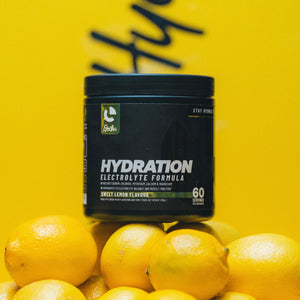
Electrolyte drinks can help replenish minerals lost during long or intense workouts. They are particularly useful in hot environments or sessions lasting longer than an hour.
Electrolyte Supplementation
Some runners may benefit from electrolyte supplements, particularly if they sweat heavily or experience frequent cramps. However, supplementation should be approached carefully to avoid excessive intake.
Preventing Muscle Cramps
Strategies that reduce cramp risk
- Stretch regularly, especially calves and hamstrings
- Hydrate consistently throughout the day
- Replace electrolytes during longer workouts
- Gradually increase training intensity
- Avoid sudden spikes in training volume
Pre-Run Hydration
Starting a run well hydrated reduces the likelihood of dehydration during exercise. A common guideline is to drink roughly 400–500 ml of water in the hours leading up to your run.
Recovery After Dehydration
After long runs or races, focus on replenishing both fluids and electrolytes. Water alone may not fully restore balance if significant sodium losses occurred through sweat.
Real-Life Hydration Scenarios
Early miles before work
Hydrate before leaving the house even if you don't feel thirsty. A small amount of water with electrolytes can help prevent early dehydration.
Sunday endurance sessions
Carry fluids or plan water stops. Consuming electrolytes during the run helps maintain muscle function and reduces cramp risk.
Managing nerves and hydration
Nerves can increase sweating and alter hydration habits. Stick to a familiar hydration strategy and avoid overhydrating without electrolytes.
Conclusion
Key Strategies for Preventing Cramps
Preventing muscle cramps requires a balanced approach. Staying hydrated, replacing electrolytes lost through sweat, and managing training intensity all contribute to optimal muscle function.
The Importance of Consistent Hydration
Consistent hydration habits throughout the day help maintain fluid balance and reduce the likelihood of exercise-associated muscle cramps during training and racing.
When Electrolyte Products May Help
Electrolyte drinks and supplements can be valuable during long or intense workouts where sweat losses are significant. By maintaining electrolyte balance, runners can reduce cramp risk and sustain performance over longer distances.
Hydrate smarter for better runs
Proper hydration and electrolyte balance are fundamental to endurance performance. By maintaining fluid levels, replenishing key minerals, and building consistent hydration habits, runners can train harder, recover faster, and reduce the risk of muscle cramps.


Leave a comment
This site is protected by hCaptcha and the hCaptcha Privacy Policy and Terms of Service apply.