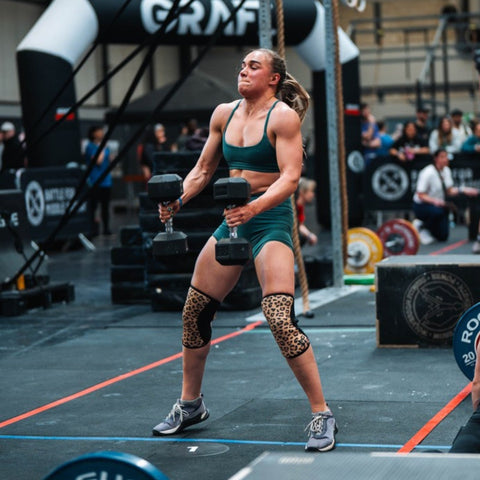


Preparing for the ATHX Games demands more than isolated strength or endurance work. You need a strategic hybrid training plan that develops power, stamina, repeatable conditioning and the ability to keep performing across the full event.
Preparing for the ATHX Games demands a strategic approach to training and nutrition. The competition tests athletes across strength, endurance and metabolic conditioning, requiring consistent performance from the opening minute to the finish line.
This guide explains what the 2026 ATHX workouts demand, how to structure your training zones, which mistakes to avoid and how to plan your nutrition, recovery and race-day strategy. For a broader look at how ATHX compares to other hybrid events, see our HYROX vs ATHX guide.
ATHX training must cover three key zones
Your plan should combine a strength zone for lifting and carrying, an endurance zone for sustained output, and a MetCon X zone that teaches you to move efficiently between strength and cardiovascular work. Explore our range of supplements for hybrid athletes to support all three zones.
Competition demand
Prepare to maintain physical and mental performance across a continuous event lasting around 2.5 hours.
Understanding the ATHX Games
The ATHX Games are designed to test a broad spectrum of fitness. Athletes need enough cardiovascular capacity to keep moving, enough strength to lift and carry loads, and enough resilience to maintain performance while fatigue builds. For a full comparison of the two events, read our HYROX vs ATHX Games guide.
What the ATHX Games Demand
Sustained work capacity
Athletes need a strong aerobic engine to keep moving across running, rowing and continuous conditioning.
Lift and carry under fatigue
Heavy pushes, carries and floor-based movements demand usable strength, not strength that disappears when your heart rate rises. See our strength training supplements to support this.
Keep making decisions
Mental resilience matters when athletes must control pace, movement quality and effort across several demanding categories.
Overview of the 2026 ATHX Workouts
The 2026 workouts are built to test an athlete's all-round fitness. Expect a mixture of functional movements, strength tests and demanding endurance events.
Each challenge may emphasise a different quality, but your ability to perform consistently across the whole competition will be more important than dominating one isolated workout. For fuelling guidance specific to the event, see our ATHX workout fuel guide.
The ATHX athlete profile
The strongest competitor is not simply the best runner or the heaviest lifter. ATHX rewards athletes who can combine multiple qualities and recover quickly between them.
The Importance of Hybrid Training
Hybrid training combines strength, endurance and metabolic conditioning into one structured programme. The aim is to build a complete athlete who can perform across every ATHX zone rather than specialising in one area.
This means your programme needs enough specific strength work to improve lifting capacity, enough endurance work to build your engine and enough mixed-modality training to practise transitions under fatigue. Our guide to the best supplements for athletes covers what to prioritise across a hybrid training week.
Training Zones for Optimal Performance
Each ATHX training zone develops a different part of your overall performance. Neglecting one zone can leave a gap that becomes obvious during the competition.
Build power and control
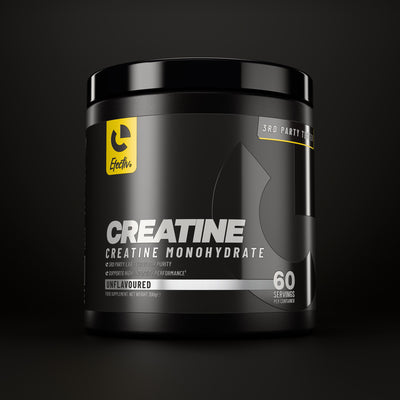
Focus on compound movements, loaded carries and muscular endurance. The goal is to produce force and maintain good positions when handling heavy loads under fatigue. Support this with creatine for hybrid athletes.
Develop your engine
Use running, rowing and longer cardiovascular sessions to improve stamina. You need to sustain output throughout the continuous ATHX format rather than relying on short bursts.
Combine both systems
High-intensity mixed workouts teach you to transition between strength and endurance movements while maintaining pace, efficiency and movement quality.
Strength Zone: Building Power
Strength training should improve both raw power and muscular endurance. Compound movements such as squats, hinges, presses, pulls and loaded carries help prepare athletes for floor work, heavy objects and repeated pushes.
Build force production
Use lower-repetition compound lifts to improve your ability to move heavier loads safely and efficiently.
Hold output under fatigue
Use moderate loads, carries and repeated functional movements to make your strength usable during competition.
Endurance Zone: Enhancing Stamina
The endurance zone develops the engine required to keep working over an extended period. Training can include longer runs, rowing, lower-intensity aerobic work and controlled threshold sessions. Keeping hydration dialled in across these sessions is non-negotiable.
The goal is not simply to run faster. It is to maintain pace while fatigue builds from carries, pushes, lifting and repeated transitions.
MetCon X Zone: Maximising Efficiency
MetCon X sessions combine strength and endurance in high-intensity, repeatable workouts. These sessions should reflect the changing movement demands of the ATHX Games.
Example MetCon X session
Complete repeated rounds of running or rowing, loaded carries, squats and pushing movements. Keep transitions controlled and aim for a pace you can sustain across every round.
Designing Your ATHX Training Plan
Your training plan should progressively develop capacity across all three zones. Avoid trying to peak too early. Build your base first, introduce more event-specific training gradually and reduce volume as competition day approaches. For a structured starting point, see our hybrid training program.
Weekly Workout Structure
A typical ATHX training week may include two to three strength sessions, two to three endurance sessions and one or two MetCon X workouts. The exact balance should reflect your current strengths, weaknesses and ability to recover.
Adjust this around your recovery
This is an example structure rather than a fixed prescription. Reduce volume or combine sessions if your recovery, experience or schedule does not support seven separate training days.
Incorporating Team and Individual Sessions
Individual sessions allow you to target personal weaknesses, control pace and improve specific movements. Team sessions can add competition, pressure and accountability.
Refine weaknesses
Use individual sessions for technical work, precise pacing and movements that require focused practice.
Build competitive resilience
Team workouts can help you push beyond your normal pace and become more comfortable performing while others are working around you.
Common ATHX Training Mistakes to Avoid
Training only your strengths
Strong runners may neglect lifting, while strong athletes may avoid longer endurance work. ATHX exposes gaps quickly.
Missing event-specific work
Include carries, pushes and mixed-modality sessions rather than relying only on traditional gym or running workouts.
Increasing volume too quickly
Sudden increases in running, strength and MetCon work can create fatigue, reduce performance and increase injury risk. Prioritise sleep and recovery to stay consistent.
Recovery is part of the programme
ATHX preparation can become demanding quickly. Listen to your body, increase intensity gradually and use recovery days before fatigue begins to affect movement quality.
Nutrition Strategies for the ATHX Games
Nutrition supports training performance, recovery and the ability to maintain intensity across the event. Your race-day plan should be practised during longer sessions rather than introduced for the first time during competition. See our ATHX workout fuel guide for a full breakdown.
Before training or racing
Use easily digested carbohydrates around 60 to 90 minutes before the session. Add a small amount of protein when suitable, especially before longer endurance or heavy strength work.
During the event
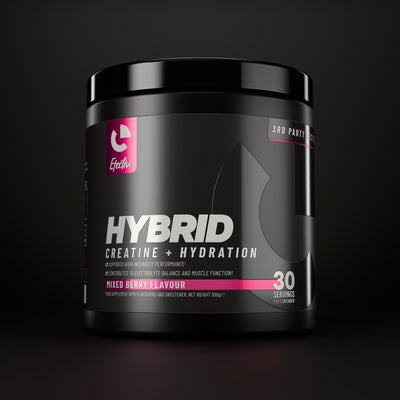
Use fluids, electrolytes and fast-acting carbohydrates to support hydration and provide working muscles with a steady energy supply. Our electrolyte range is designed for exactly this.
After the event
Combine protein and carbohydrates to support muscle repair and replenish glycogen stores before the next training session.
Pre-Workout Fuelling
Pre-workout powder and nutrition should provide energy without creating digestive discomfort. Easily digested carbohydrates help top up glycogen stores, while a small amount of protein can support muscle protection.
Larger meals may be appropriate before longer sessions, but allow more time for digestion. Practise different timings and food choices during training.
During-Event Hydration and Nutrition
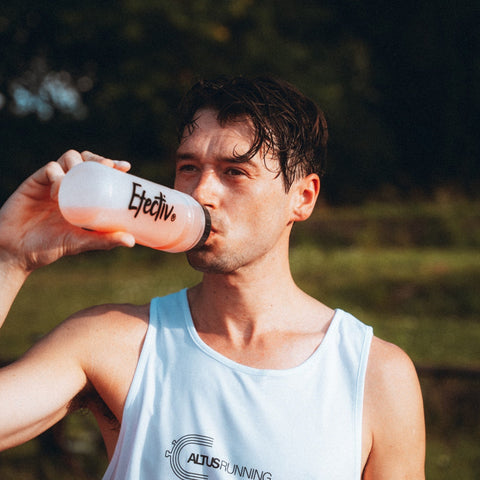
Hydration and nutrition become especially important during a continuous 2.5-hour competition. Fluids help replace water lost through sweat, while electrolytes help replace sodium and other minerals. See our hydration supplements for hybrid training.
Fast-acting carbohydrate sources such as gels or carbohydrate drinks can provide energy during the event. Your exact intake should be tested during longer training sessions.
Post-Workout Recovery Essentials
Post-workout recovery supports muscle repair and adaptation. Consume protein and carbohydrates after demanding strength, endurance or MetCon X sessions.
| Timing | Main focus | Practical option |
|---|---|---|
| 60–90 minutes before | Easily digested carbohydrates | Banana, oats, toast or a carbohydrate drink |
| During longer efforts | Fluids, electrolytes and quick carbohydrates | Electrolyte drink, energy gel or carbohydrate mix |
| 30–60 minutes after | Protein and glycogen replenishment | Protein shake with fruit, oats or a balanced meal |
Supplementing Your ATHX Training
Supplements can help bridge nutritional gaps and make demanding training routines easier to support. They are tools rather than shortcuts and should sit alongside sufficient food, sleep, hydration and recovery. Read our guide on the best supplements for athletes for a full overview.
When Supplements Make Sense
Protein powder can help when whole-food protein is difficult to consume after training. Electrolytes may be useful during longer endurance sessions or hot conditions. Creatine can support strength and power, while a pre-workout may support focus and energy before demanding sessions.
Strength and power
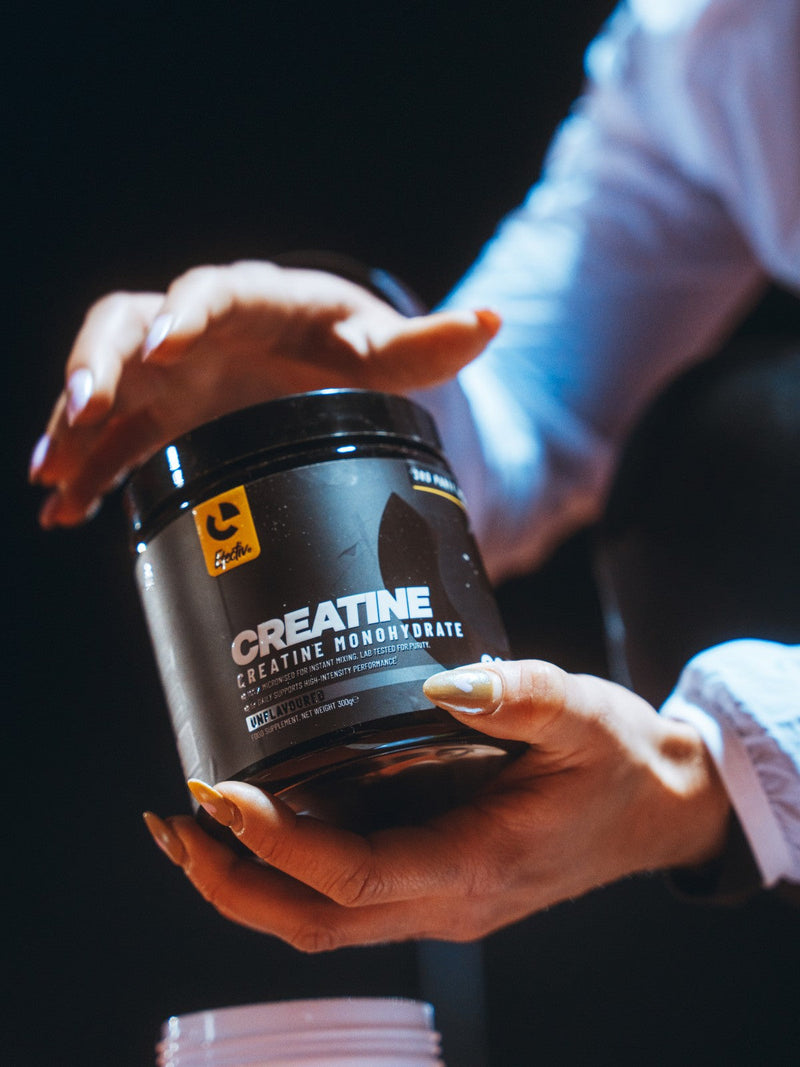
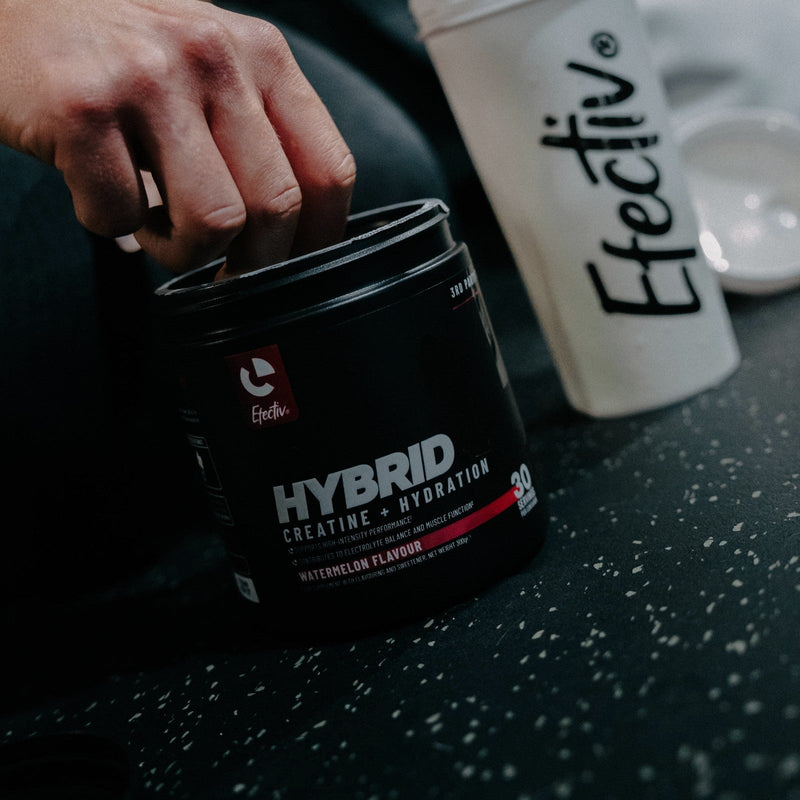
Creatine monohydrate can support repeated high-intensity output, strength work, carries and demanding functional movements.
Muscle recovery
Whey or plant protein can make it easier to meet protein needs after demanding strength and MetCon X sessions.
Hydration support
Electrolyte supplements can support hydration during longer sessions, hot conditions and the continuous competition format.
Repeatable high-intensity work
Beta-alanine may support performance during high-intensity repeated efforts where muscular fatigue builds quickly.
Energy and focus
A pre-workout may help before demanding sessions, but it should be tested during training before being used on competition day.
Integrating Efectiv Nutrition Products
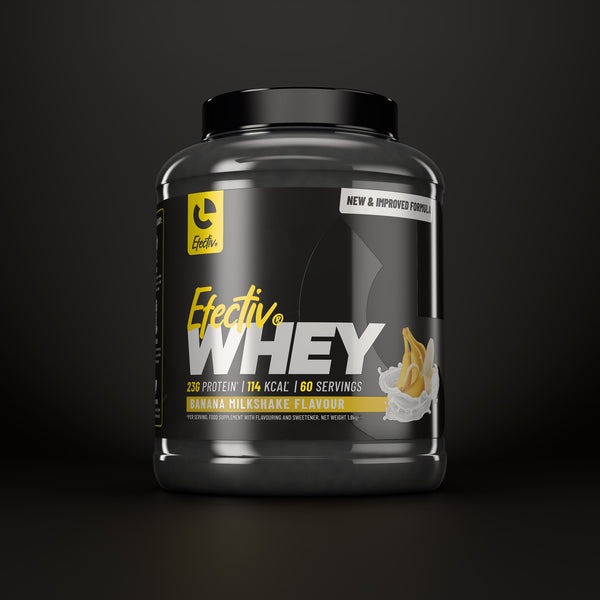
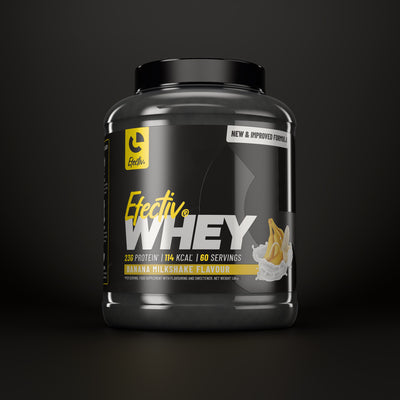
Efectiv Whey Protein Powder can support muscle repair after strength and MetCon X sessions. Creatine can support power output, while pre-workout products can provide energy and focus before demanding workouts.
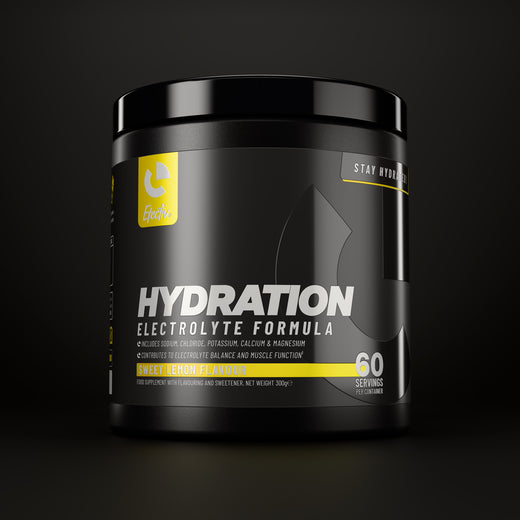
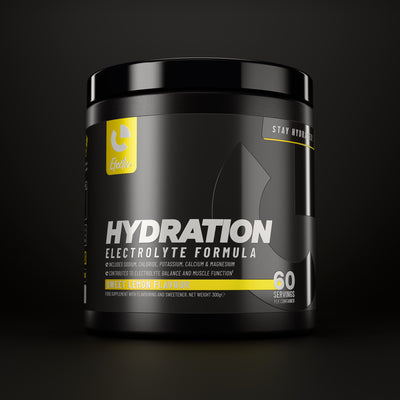
Hydration supplements can support electrolyte intake during longer endurance sessions and the ATHX Games. Use each product strategically and follow its serving instructions.
ATHX Race-Day Preparation
Race-day preparation includes nutrition, equipment, warm-up planning and mental readiness. Preparing these details in advance reduces unnecessary stress and allows you to focus on execution.
Creating a Race-Day Timeline
Several hours before
Eat a familiar meal containing easily digested carbohydrates and adequate protein. Avoid foods that regularly cause digestive issues.
60–90 minutes before
Top up energy and fluids if needed. Use only food, drinks and supplements you have already tested during training.
Warm-up period
Gradually raise your heart rate, mobilise key joints and rehearse movement patterns without creating unnecessary fatigue.
During the competition
Follow your planned pacing, hydration and carbohydrate strategy. Break the event into smaller sections rather than focusing on the full duration.
Last-Minute Tips for Success
Staying Mentally Prepared
Mental preparation is as important as physical conditioning. Use breathing, mindfulness or visualisation to manage pre-race nerves and stay focused on what you can control.
During the competition, break the 2.5-hour format into smaller tasks. Focus on the movement or section directly in front of you rather than becoming overwhelmed by the full event.
One task at a time
You do not need to win the entire event in the opening minutes. Control your effort, complete the current task efficiently and preserve enough energy to finish strongly.
ATHX Training FAQs
What fitness qualities does ATHX test? +
How many times per week should I train for ATHX? +
What is the MetCon X zone? +
How long is the ATHX Games format? +
What should I eat before an ATHX workout? +
Which supplements may support ATHX training? +
Final Thoughts on Training for ATHX 2026
ATHX preparation requires a balanced approach. Build strength that remains useful under fatigue, develop an aerobic engine that can support continuous work and use MetCon X sessions to practise transitions between different movement demands.
Your nutrition, hydration and recovery plan should develop alongside your physical training. Practise your race-day routine in advance, avoid sudden changes and arrive with a clear plan for pacing, fuelling and managing each stage of the competition.
Consistency across every training zone will prepare you more effectively than relying on one standout strength. Build gradually, recover properly and focus on becoming a more complete hybrid athlete. Explore our full range of hybrid athlete supplements to support every stage of your preparation.
Start building your ATHX training plan
Balance strength, endurance and MetCon X training, then support every session with consistent fuelling and recovery. Train across every zone so the competition cannot expose a missing piece.
Every dose on the label.
The products this guide mentions.

Join the Inner Circle.
Join and get a 10% code for your first order straight away, then new releases, athlete tips and subscriber discounts.