

ATHX Training Program & Games Guide for First-Timers
Preparing for your first ATHX Games event means building more than strength or cardio alone. You need an engine that can keep working, enough strength to handle the stations and the confidence to pace a long hybrid fitness event. This guide explains how to structure your training, use Instagram more effectively and arrive ready for competition day.
The ATHX Games are built around hybrid fitness. That means you need to move between strength work, conditioning, running and functional fitness without losing control of your pace. For first-timers, the challenge is rarely one individual movement. The real challenge is sustaining quality across the full competition.
A structured ATHX training program helps you build the strength, aerobic capacity and resilience needed to compete well. It also gives you enough time to practise transitions, understand your pacing and develop a race-day plan that suits your current level.
What should first-time ATHX athletes focus on?
Build a balanced base of strength, running and aerobic conditioning. Then practise combining them. Your training should teach you how to lift, move and run while already fatigued, without losing control of your technique or pace.
Best starting point
Use a structured training block with two strength sessions, two conditioning sessions, one longer aerobic session and at least one full recovery day each week.
Understanding the ATHX Training Program

The ATHX training program is designed to develop a well-rounded hybrid athlete. It combines strength, running, aerobic work and functional fitness so you can keep producing effort across a long event. The aim is not simply to become fitter in one area. It is to build the capacity to move between different demands without your performance dropping sharply.
You are training your ability to keep going
ATHX rewards athletes who can manage fatigue, move efficiently and make sensible decisions. A strong first station means very little if your pace falls apart later in the event.
Overview of Hybrid Training
Hybrid training combines several fitness qualities within the same training plan. You may be working on a heavy squat one day, running intervals the next, then completing a mixed conditioning session later in the week. Each part has a clear purpose.
Move load efficiently
Squats, presses, pulls and carries help you build the strength needed for demanding stations.
Sustain your output
Running, rowing, cycling and aerobic work improve your ability to recover while still moving.
Combine both under fatigue
Mixed sessions teach you to transition between strength and cardio without losing technique.
Key Components of an ATHX Training Program
A good ATHX program uses progression rather than random hard workouts. Each week should build on the previous one, increasing volume, intensity or event-specific work at a manageable rate.
Strength that holds under fatigue
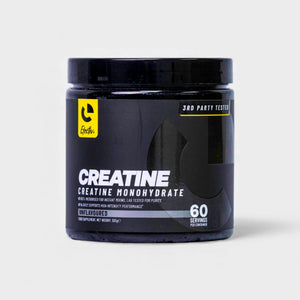
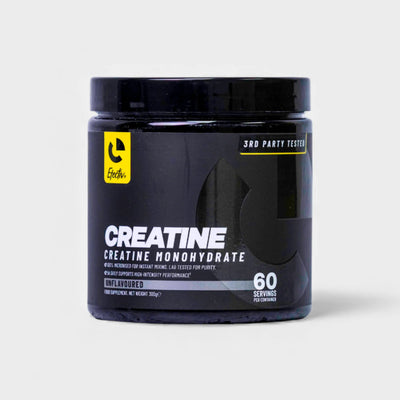
Creatine increases physical performance in successive bursts of short-term, high intensity exercise — the exact pattern ATHX stations demand. Creatine Monohydrate is 5g of micronised creatine per serving.
Creating Your ATHX Workout Plan
The best plan is not necessarily the hardest one. It is the plan you can complete consistently while recovering well enough to improve. First-time competitors should start by looking honestly at their current strengths and weaknesses.
Step 1: Assess Your Current Fitness
Consider whether running, strength or longer conditioning is currently your weakest area. A strong lifter may need more aerobic work. A good runner may need more time under load. Your training should remain balanced, but your weakest area may need slightly more attention.
Step 2: Build Through Clear Phases
Build the base
Develop aerobic fitness, improve movement quality and establish consistent strength training.
Increase intensity
Add harder running, heavier compound lifts and more demanding mixed workouts.
Make training specific
Practise longer ATHX-style sessions, station transitions and competition pacing.
Reduce fatigue
Lower volume, maintain some intensity and arrive at the event feeling fresh rather than flat.
Step 3: Personalise the Workload
Your plan should match your available time, training history and recovery capacity. Someone with six days available should not simply add more hard sessions. Extra time can be used for easy aerobic work, mobility and technique practice.
First-timer rule
Avoid trying to prove your fitness every week. Most sessions should build you. Only a small number should test you.
Preparing for the ATHX Games
What to Expect at Your First ATHX Race
Your first ATHX competition will feel different from a normal gym session. The environment is louder, transitions matter more and it is easy to start too quickly. You will face several stations that test different parts of your fitness over an extended period.
The format requires continuous decision-making. You need to judge when to push, when to settle and when to protect your technique. The best first-time performance often comes from being controlled rather than aggressive.
Think in sections, not one long event
Break the day into manageable blocks. Focus on the station in front of you, then reset before the next one. This keeps the full event from feeling overwhelming.
Essential Strength and Conditioning Tips
Prioritise compound lifts
Squats, presses, deadlifts and carries build strength that transfers across several stations.
Train repeatable efforts
Learn to complete hard blocks without fully emptying yourself in the opening minutes.
Protect your technique
Efficient movement saves energy and becomes even more important when you are tired.
Navigating the Functional Fitness Format
Functional fitness is about more than lifting heavy. You need to move consistently and transition efficiently between movements. Practise setting up quickly, controlling your breathing and restarting work without wasting time.
Your goal should be repeatable movement. Choose a pace that lets you complete each station without long, unplanned breaks. Smaller planned breaks are usually better than one complete collapse.
Using Instagram to Improve Your ATHX Training
Instagram can help you stay motivated, learn from experienced athletes and connect with other ATHX competitors. It can also become distracting if you compare your training with people who have very different experience levels.
Follow Accounts That Improve Your Training
Look for coaches and athletes who explain why they are doing a session, not just what the workout is. Useful content should help you understand pacing, movement quality, recovery and programming.
Share Your Progress and Achievements
Documenting your training can improve accountability. Share useful milestones such as stronger lifts, improved running splits or completing longer sessions at a more controlled pace.
Avoid judging progress only through personal bests. Better movement, lower heart rate at the same pace, faster recovery and more consistent training are all signs that your ATHX preparation is working.
Engage With the ATHX Community
The online ATHX community can help first-time athletes feel more prepared. Ask practical questions, compare training experiences and learn how other competitors manage the event format.
Use Instagram as a tool
Save useful training content, but avoid copying random hard workouts. Your plan should remain structured around your own event and ability.
Getting the Best From Your Competition-Day Performance
Race-Day Nutrition Strategies
Your race-day nutrition should be tested during training. The ATHX format is long enough that energy and hydration matter, but eating too much or trying unfamiliar products can cause stomach issues.
| Stage | Main priority | Practical approach |
|---|---|---|
| Before the event | Top up energy | Eat a familiar carbohydrate-led meal with some protein and fluids. |
| During the event | Maintain energy | Use small amounts of easy-to-digest carbohydrate and sip fluids regularly. |
| After the event | Start recovery | Combine protein, carbohydrate, fluids and electrolytes. |
Effective Pacing Techniques
Pacing is one of the biggest factors in ATHX performance. Starting too hard can leave you fighting fatigue for the rest of the event. Begin at a pace that feels slightly conservative, then increase effort only if you are still moving well later.
Stay controlled
Keep your breathing manageable and avoid chasing other athletes too soon.
Protect your rhythm
Maintain steady transitions and avoid unnecessary spikes in effort.
Use what is left
Increase effort only when you know you can sustain it through the final stations.
Managing Pre-Race Nerves
Feeling nervous before your first ATHX event is normal. Use a familiar warm-up, control your breathing and focus on the first task rather than the entire event.
Remind yourself that the training block has already done the hard work. Competition day is about executing the plan, not discovering new fitness.
Test your race-day fuel in training
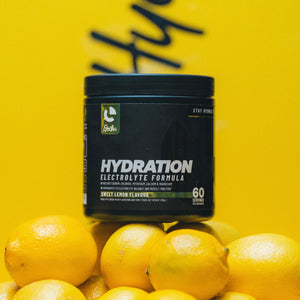
Hydration + Energy combines five electrolytes with 100mg natural caffeine from green coffee in one scoop. Carb Powder is a 2:1 dextrose and fructose blend of easy-to-digest carbohydrate for use during longer efforts.
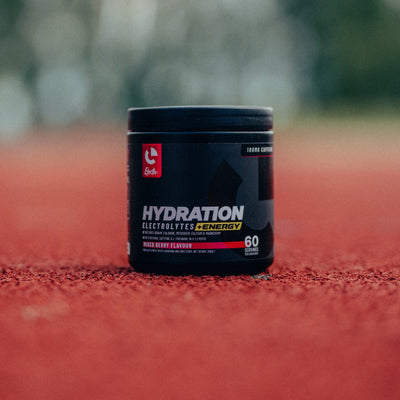
Hydration Electrolytes + Energy 330g
✓ 400mg sodium✓ 100mg natural caffeine
From £17.99
Shop now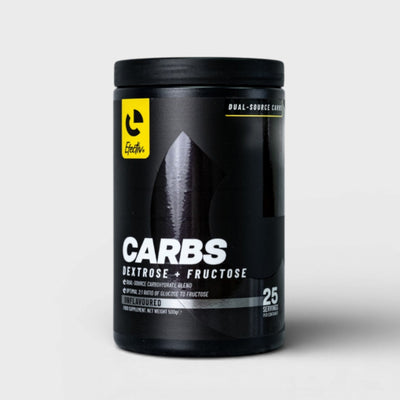
Carb Powder
✓ 66% Dextrose✓ 33% Fructose
From £14.99
Shop nowCommon ATHX Training Mistakes and How to Avoid Them
Every session is hard
Constant high intensity limits recovery and eventually reduces training quality.
Ignoring your weakness
Strong runners still need strength. Strong lifters still need aerobic capacity.
No event-specific practice
You need experience moving between running, lifting and functional stations.
Training Consistency Pitfalls
A structured 12-week plan only works when you can repeat it consistently. Trying to add extra workouts after seeing someone else's training online often creates fatigue without improving performance.
Balancing Training With Life Commitments
Plan your hardest sessions around the days when you have the most time and energy. Shorter sessions can still be useful when work or family commitments are high. A focused 40-minute workout is better than repeatedly missing an unrealistic 90-minute session.
Understanding Recovery Needs
Strength and endurance improve during recovery. Sleep, nutrition and lower-intensity days allow your body to adapt to training. Poor recovery reduces your ability to produce quality work and increases the chance that small issues become injuries.
More training is not always more progress
Good ATHX preparation balances enough work to create adaptation with enough recovery to absorb it.
Example ATHX Training Week for First-Timers
This example gives you a balanced starting point. The exact volume and intensity should match your current fitness and training experience.
| Day | Main session | Purpose |
|---|---|---|
| Monday | Lower-body strength and short conditioning | Build strength without excessive volume |
| Tuesday | Easy aerobic run or bike | Build your aerobic base and support recovery |
| Wednesday | Running intervals and functional movements | Practise repeat effort and transitions |
| Thursday | Rest or mobility | Absorb the first half of the week |
| Friday | Upper-body strength and carries | Improve pressing, pulling and grip endurance |
| Saturday | Longer ATHX-style hybrid session | Develop pacing and event-specific capacity |
| Sunday | Full rest or gentle recovery | Reduce fatigue before the next week |
Adjust the week around your experience
Newer athletes may need fewer hard sessions. Experienced hybrid athletes may add volume, but should still protect recovery and easy aerobic work.
ATHX Training FAQs
How long should I train for my first ATHX Games event? +
Do I need to be a strong runner? +
How many days per week should I train? +
Should every workout combine running and strength? +
Is Instagram useful for ATHX training? +
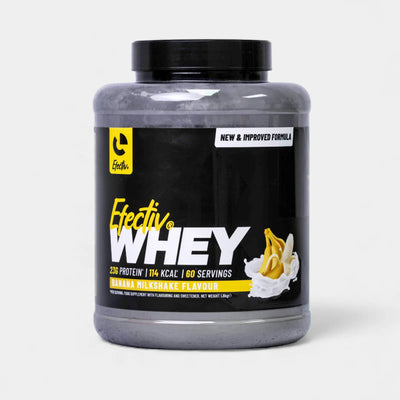
Recover between sessions
Protein contributes to the growth and maintenance of muscle mass. Whey Protein delivers 23g of protein per 30g serving.
Final Thoughts for First-Time ATHX Athletes
Your first ATHX Games event should be approached as a learning experience. Build your fitness through structured training, practise your pacing and give recovery the same attention as your hardest workouts.
You do not need to be the strongest athlete or the fastest runner. You need enough strength, enough aerobic capacity and a plan you can execute under fatigue. Stay consistent, use Instagram carefully and arrive on competition day ready to control your own performance.
Build your ATHX preparation properly
Focus on strength, running, conditioning and recovery. Use a structured block, practise your pacing and understand the event before competition day.


Leave a comment
This site is protected by hCaptcha and the hCaptcha Privacy Policy and Terms of Service apply.