


Training for a marathon, HYROX or your next endurance event? Discover how electrolyte sachets, energy gels and beetroot shots work, when to use them and how to build a practical race-day fuelling strategy.
What Are the Best Supplements for Endurance Athletes?
Electrolyte sachets, carbohydrate energy gels and nitrate-rich beetroot shots are three useful options for endurance athletes, but they serve different purposes.
Electrolytes help replace minerals lost through sweat. Energy gels provide carbohydrates to fuel prolonged exercise. Beetroot shots containing a standardised nitrate dose may improve exercise efficiency or performance in certain endurance activities.
The right choice depends on your session duration, intensity, temperature, sweat rate and fuelling needs.
For a short easy run, you may need none of them. For a long run, marathon or demanding HYROX race, a planned approach to carbohydrates and hydration becomes more important.
Electrolyte Sachets vs Energy Gels vs Beetroot Shots
These products are often grouped together as endurance supplements, but understanding their different roles makes it easier to build a useful training and race-day routine.
| Supplement | Main purpose | Typical timing | Best suited to |
|---|---|---|---|
| Electrolyte sachets | Replace sodium and other electrolytes lost through sweat | Before, during or after exercise, depending on need | Hot conditions, heavy sweating and prolonged sessions |
| Energy gels | Provide readily available carbohydrate | During prolonged exercise | Long runs, cycling, marathons and endurance racing |
| Beetroot shots | Supply dietary nitrate, which supports nitric oxide production | Usually 2–3 hours before exercise | Selected endurance and high-intensity exercise events |
| Hydration supplements | Support fluid and electrolyte replacement | According to fluid and sweat losses | Training and racing where hydration demands are elevated |
Potentially, yes. For example, an athlete may take a nitrate-rich beetroot shot before racing, consume carbohydrate gels during the event and use an electrolyte drink to help replace sweat losses. The plan should reflect the event, individual tolerance and actual product ingredients.
Electrolyte Sachets: Benefits, Ingredients and When to Use Them
Electrolyte sachets are single-serve portions of electrolyte powder designed to be mixed with water. They offer a convenient way to carry a measured serving of electrolytes to the gym, on a run or when travelling to a race.
Many contain sodium, potassium and sometimes magnesium, calcium or chloride. However, the amounts vary considerably between products.
What Are the Benefits of Electrolyte Sachets?
- Sodium replacement: Helps replace the main electrolyte lost through sweat.
- Practical hydration: Makes it easier to prepare an electrolyte drink away from home.
- Measured servings: Lets athletes compare sodium amounts per sachet.
- Training convenience: Useful for running, cycling, HYROX and long gym sessions.
What Should You Look for in Electrolyte Sachets?
The most important label detail for many sweaty endurance sessions is the amount of sodium per serving.
Look beyond the total weight of the sachet. A larger powder serving does not necessarily provide more sodium.
| Label detail | Why it matters |
|---|---|
| Sodium (mg) | Helps assess how much sodium the drink supplies relative to sweat losses |
| Serving size | Shows how much powder is needed for one drink |
| Mixing volume | Determines the final drink concentration |
| Carbohydrates | Indicates whether the product also supplies exercise fuel |
| Caffeine | Important for timing, tolerance and total daily intake |
| Other electrolytes | Shows the amounts of potassium, magnesium, calcium and chloride |
Electrolyte Sachets vs Electrolyte Powder Tubs
Sachets are portable and convenient. Powder tubs can be practical for athletes who train frequently and prepare drinks at home.
The format itself does not determine performance benefits. Compare the electrolyte dose, ingredients, mixing instructions and cost per serving.
EFECTIV's hydration supplements include electrolyte powders in multi-serving tubs, offering an alternative to individual electrolyte sachets.
What Do Electrolytes Actually Do During Exercise?
Electrolytes are minerals that carry an electrical charge when dissolved in fluid. They contribute to fluid balance, nerve signalling and muscle function.
The main electrolytes found in sports hydration products include sodium, chloride, potassium, magnesium and calcium.
Why Is Sodium Important for Runners?
Sodium is the principal electrolyte lost in sweat. Sweat losses vary significantly between athletes and can increase during prolonged exercise or hot conditions.
Replacing some sodium can be useful when sweat losses are substantial, particularly during longer events.
However, sodium requirements are individual. Taking more electrolytes than necessary does not automatically improve performance, and sodium does not prevent every case of exercise-associated cramping.
How Much Sodium Do You Need During Exercise?
There is no single sodium target suitable for every athlete. One endurance nutrition review suggests an initial range of approximately 300–600mg sodium per hour in situations such as prolonged exercise, high sweat rates or particularly salty sweat.
This is a starting point for individual planning, not a universal dose. Exercise duration, weather, sweat sodium concentration and fluid intake all matter.
A good strategy considers how much fluid you lose, how much sodium you lose and how much you can comfortably drink. Avoid excessive fluid intake, which can contribute to exercise-associated hyponatraemia.
Do You Need Electrolytes for a 5K Run?
Usually, a short run in cool conditions does not require a dedicated electrolyte supplement if you are normally hydrated and eating adequately.
For longer sessions, hot weather or heavy sweating, electrolyte replacement may become more useful.
Energy Gels for Running: Benefits, Timing and How Many to Take
Energy gels are concentrated carbohydrate products designed to provide fuel during exercise. They are commonly used by runners, cyclists and triathletes because they are compact and relatively easy to carry.
Many gels use glucose, maltodextrin, fructose or combinations of these carbohydrates. Some also contain caffeine or sodium.
What Do Energy Gels Do?
During prolonged exercise, carbohydrate availability can influence how well you maintain your pace and effort.
Energy gels provide carbohydrate that contributes to exercise fuel availability. They can help athletes reach carbohydrate intake targets without relying entirely on solid foods.
When Should You Take Energy Gels?
For endurance exercise lasting approximately 1–2.5 hours, sports nutrition guidance commonly recommends 30–60g of carbohydrate per hour.
For longer events, trained athletes may tolerate up to approximately 90g per hour using appropriate carbohydrate mixtures, but this requires practice and is not necessary for everyone.
| Exercise duration | Carbohydrate approach | Role of gels |
|---|---|---|
| Under 45 minutes | Usually no carbohydrate required during exercise | Generally unnecessary |
| 45–75 minutes | Small amounts may help during sustained high-intensity work | Optional |
| 1–2.5 hours | Approximately 30–60g per hour | Convenient source of carbohydrate |
| Over 2.5–3 hours | Higher intakes, potentially up to 90g per hour if tolerated | Can form part of a trained fuelling strategy |
How Many Energy Gels Do You Need Per Hour?
It depends on the carbohydrate content of the gel.
For example, if an energy gel contains 25g carbohydrate:
These are illustrative calculations, not EFECTIV product specifications. Check the carbohydrate content of your chosen gel and count any carbohydrate consumed through sports drinks or other foods.
Should You Take Energy Gels With Water?
Follow the instructions on the product. Many concentrated gels are best taken with water to improve comfort and help manage the concentration of carbohydrate in the digestive system.
Isotonic gels may have different instructions. Practise with the exact product during training.
Do Energy Gels Cause Stomach Problems?
Some athletes experience bloating, nausea or digestive discomfort, particularly when taking large amounts of carbohydrate without sufficient practice.
Start with a manageable intake, increase gradually if required and test your fuelling plan during training rather than on race day.
Beetroot Shots for Running and Endurance: Do They Work?
Beetroot shots are concentrated beetroot drinks that may provide dietary nitrate, a compound studied for its potential effects on exercise performance.
Dietary nitrate can be converted into nitrite and then nitric oxide through processes in the body.
Nitric oxide plays a role in blood vessel function and other physiological processes relevant to exercise.
What Are the Benefits of Beetroot Shots?
Research suggests that dietary nitrate supplementation may improve exercise economy, endurance capacity or performance in certain activities.
However, the size and consistency of benefits vary. Responses may depend on the athlete's training status, exercise duration, dose and testing conditions.
Highly trained endurance athletes may experience smaller or less consistent improvements than recreationally trained individuals.
How Much Nitrate Should a Beetroot Shot Contain?
The Australian Institute of Sport identifies approximately 350–500mg dietary nitrate, equivalent to around 6–8mmol, as a commonly studied dose.
Importantly, the volume of beetroot juice is not the same as the nitrate dose. Two beetroot shots of the same size may contain very different nitrate amounts.
For a performance-focused beetroot shot, look for a declared nitrate dose in milligrams or millimoles. A product containing beetroot powder is not automatically equivalent to a clinically studied nitrate shot.
When Should You Take a Beetroot Shot Before Running?
Research-based protocols commonly use dietary nitrate approximately 2–3 hours before exercise.
Some studies also investigate daily nitrate intake over several days before competition.
Beetroot shots should be tested during training, particularly if you are unfamiliar with their taste or digestive effects.
Should You Avoid Mouthwash After Taking Beetroot Shots?
Antibacterial mouthwash can interfere with oral bacteria involved in converting dietary nitrate into nitrite. For athletes using nitrate supplementation, this may reduce the intended physiological effect.
Do not change prescribed oral healthcare without professional advice.
Are Beetroot Shots Suitable for Everyone?
Not necessarily. People with low blood pressure, relevant medical conditions or medication affecting blood pressure should seek professional advice before using concentrated nitrate products.
Beetroot can also temporarily change urine or stool colour, which is generally harmless.
Read more in our guide to nitrates for running and HYROX.
Where Does a Race Pack Fit Into Your Endurance Nutrition Plan?
A well-planned race nutrition setup should address three separate requirements:
Pre-race preparation
A familiar carbohydrate-rich meal, appropriate hydration and an optional nitrate protocol where suitable.
During-race fuelling
Carbohydrate intake matched to event duration, intensity and individual tolerance.
Hydration and recovery
Fluid and electrolyte replacement according to sweat losses, followed by food and recovery nutrition.
For athletes considering EFECTIV's Race Pack, the key questions are whether it provides a declared nitrate dose, how that compares with research-based protocols and how it fits alongside carbohydrate and hydration products.
Always follow the product's verified serving instructions. A Race Pack should be evaluated by its actual ingredient amounts rather than assuming it contains a clinically studied beetroot nitrate dose.
What Endurance Supplements Do You Need for Different Race Distances?
Race duration is often more useful than distance alone when deciding how much carbohydrate and hydration support you need.
| Activity | Energy gels | Electrolytes | Beetroot shots |
|---|---|---|---|
| 5K run | Usually unnecessary during the run | Usually unnecessary in cool conditions | Optional; benefits depend on context |
| 10K run | May be useful for longer efforts | Based on heat and sweat losses | May be considered pre-race |
| Half marathon | Often useful to meet carbohydrate targets | Individual hydration strategy | Optional pre-race strategy |
| Marathon | Usually important for planned carbohydrate fuelling | Plan around fluid and sodium losses | Optional; evidence varies |
| HYROX | Depends on expected finish time and access to fuel | Based on venue conditions and sweating | Optional; HYROX-specific benefits unproven |
| Long cycling event | Useful for prolonged fuelling | Individual sweat-loss strategy | Optional pre-event strategy |
For events lasting several hours, carbohydrate intake and hydration planning generally deserve more attention than adding numerous supplements.
Example Endurance Race-Day Fuelling Timeline
The following example is designed for a healthy adult preparing for an endurance event lasting approximately two hours. It is an illustrative framework, not an individual prescription.
| Timing | What to consider | Purpose |
|---|---|---|
| 3–4 hours before | Familiar carbohydrate-rich meal and normal fluid intake | Prepare energy availability and hydration |
| 2–3 hours before | Optional nitrate-rich beetroot shot with verified dose | Follow a studied nitrate timing approach |
| 30–60 minutes before | Final hydration and optional familiar carbohydrate snack | Prepare for the start without stomach discomfort |
| During the race | Plan carbohydrate intake, often 30–60g per hour for this duration | Support prolonged exercise |
| During the race | Drink according to conditions and individual sweat losses | Manage fluid balance |
| After the race | Fluids, carbohydrate and protein-rich food | Support recovery and refuelling |
Use long training sessions to practise gel timing, fluid intake and any nitrate protocol. New products and large last-minute changes increase the risk of digestive discomfort.
Electrolytes, Energy Gels and Beetroot Shots for HYROX
HYROX combines eight 1km runs with eight functional workout stations. This creates a mixture of endurance, strength and repeated high-intensity demands.
The right fuelling strategy depends heavily on your expected finish time.
Do You Need Energy Gels During HYROX?
For athletes racing for longer than an hour, carbohydrate intake may be worth considering, particularly when total event duration approaches 90 minutes or more.
However, consuming gels during HYROX may be less convenient than during a road race. Check event rules, access to fluids and where consumption is practical.
Are Electrolytes Useful for HYROX?
Potentially, especially for athletes who sweat heavily or race in warm indoor conditions. Hydration planning should consider fluid and sodium losses without encouraging excessive drinking.
Do Beetroot Shots Improve HYROX Times?
Dietary nitrate has been studied in endurance and intermittent high-intensity exercise, but direct evidence establishing improvements in overall HYROX race times remains limited.
A beetroot shot may be considered as part of a researched pre-race strategy, but it should not replace running fitness, station practice or adequate fuelling.
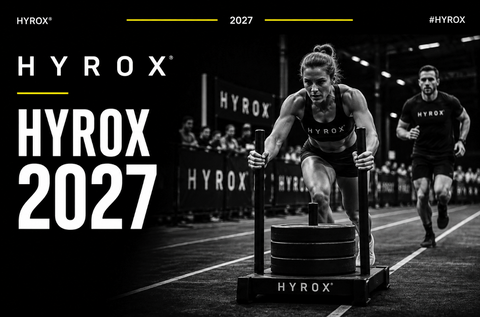
For more guidance, read our HYROX 2027 race calendar and training guide.
EFECTIV Hydration Supplements for Endurance Training
EFECTIV offers several hydration products for athletes with different training needs.
Hydration Support for Running, HYROX and Training
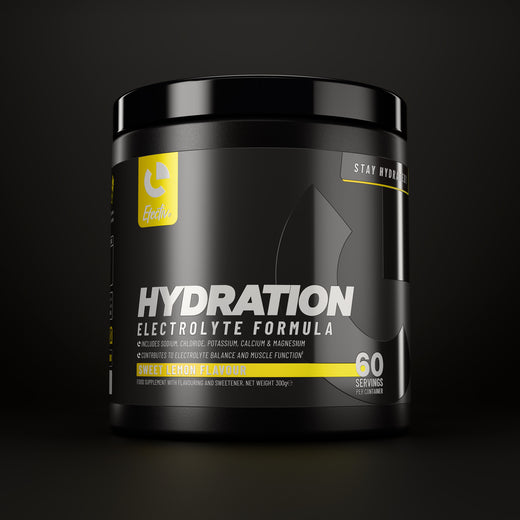
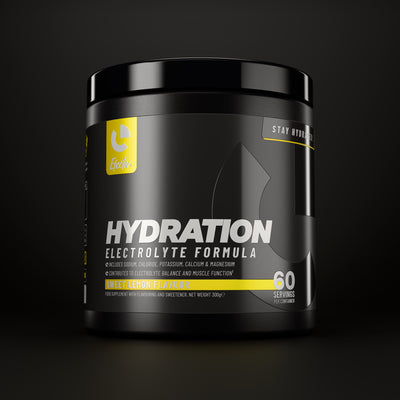
EFECTIV Hydration Electrolytes is a caffeine-free powder designed for athletes who want a measured electrolyte serving as part of their hydration routine.
Why Choose EFECTIV Hydration Electrolytes?
- 400mg sodium per serving
- Includes chloride, potassium, magnesium and calcium
- Caffeine-free formula
- 60 servings per 300g tub
- Available in several flavours
- Suitable for inclusion in a personalised endurance hydration routine
For longer events, assess whether your carbohydrate intake also needs attention. An electrolyte drink without sufficient carbohydrate should not be treated as a complete endurance fuelling solution.
Shop EFECTIV HydrationHybrid Creatine + Hydration
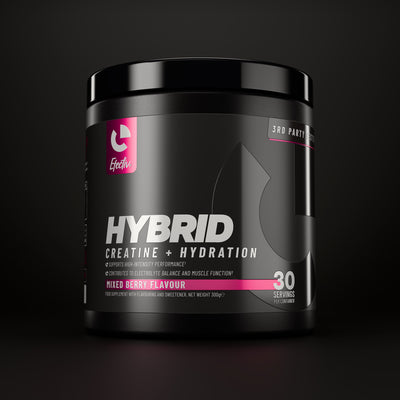
Combines 5g creatine with electrolytes per serving. A convenient option for athletes combining strength and endurance training.
Explore Hybrid HydrationHydration + Energy
Provides 400mg sodium and 100mg caffeine per serving. Consider total caffeine intake and personal tolerance.
Explore Hydration + Energy7 Endurance Supplement Mistakes to Avoid
- Using electrolytes instead of carbohydrates: Electrolyte-only products do not provide the same fuel as energy gels.
- Taking too many gels at once: Large carbohydrate doses can cause digestive discomfort.
- Ignoring sodium amounts: Compare milligrams per serving rather than sachet size.
- Drinking excessive water: Overhydration can be dangerous, even when electrolytes are used.
- Buying beetroot shots without checking nitrate: Beetroot content alone does not establish an effective nitrate dose.
- Trying new supplements on race day: Practise with products during training.
- Expecting supplements to replace training: Fitness, fuelling, sleep and recovery remain essential.
Endurance Supplements FAQs
What are the best electrolyte sachets for running?
Look for a clearly labelled sodium amount, suitable mixing instructions and ingredients that match your training needs. The best option depends on sweat losses, session duration and personal tolerance.
Are electrolyte sachets better than tablets?
Neither format is automatically better. Compare sodium content, other ingredients, ease of use and cost per serving.
Do electrolyte sachets give you energy?
Electrolytes themselves do not supply meaningful calories. Some electrolyte products also contain carbohydrate or caffeine, so check the label.
What are energy gels used for?
Energy gels provide carbohydrate during exercise and can help athletes meet fuelling targets during longer runs, cycling sessions and endurance events.
How often should I take energy gels?
Frequency depends on carbohydrate per gel and your hourly carbohydrate target. For example, two 25g gels supply 50g carbohydrate, but other food and drink sources must also be counted.
Should beginners use energy gels?
Beginners may benefit from gels during longer sessions, but short easy workouts generally do not require them. Start with a manageable amount and practise during training.
Do beetroot shots improve running performance?
Some studies report improvements in exercise economy or performance following dietary nitrate supplementation. Results vary by athlete, event and dose.
When should you drink a beetroot shot?
Research protocols commonly use a nitrate-rich beetroot shot approximately 2–3 hours before exercise.
How much nitrate should a beetroot shot contain?
The Australian Institute of Sport identifies approximately 350–500mg dietary nitrate as a commonly studied pre-exercise amount. Always check the actual product label.
Can you take beetroot shots and energy gels together?
They serve different purposes and can potentially be included in the same race nutrition plan. Consider the full ingredient list, timing and individual tolerance.
Do I need electrolytes for a half marathon?
They may be useful depending on your expected finish time, sweat rate, weather and fluid intake. They are not automatically necessary for every runner.
What supplements should I take for HYROX?
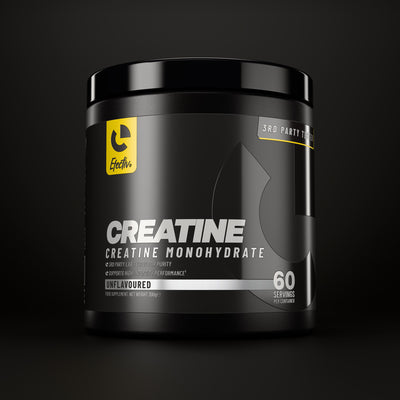
Consider carbohydrate fuelling, hydration and electrolytes according to expected race duration and individual needs. Creatine can also support the strength and repeated high-intensity demands of training.
Can I use energy gels and electrolyte drinks together?
Yes. Energy gels supply carbohydrate while electrolyte drinks can supply fluid and sodium. Check whether either product contains additional carbohydrate or caffeine to avoid unintended overlap.
What is the difference between electrolytes and hydration supplements?
Electrolytes are minerals such as sodium and potassium. Hydration supplements are products formulated to help manage fluid and electrolyte intake and may contain additional ingredients.
Which Endurance Supplements Should You Choose?
The most useful endurance supplements depend on what your training or race actually demands.
Electrolyte sachets and hydration powders can help replace sodium and other minerals lost through sweat. Energy gels supply carbohydrate during prolonged exercise. Beetroot shots provide dietary nitrate, which may support performance in certain exercise settings when an appropriate dose is used.
For longer events, start with a clear carbohydrate and hydration strategy. Add other supplements only when they have a specific purpose and you have tested them during training.
Fuel Your Next Endurance Challenge
Explore EFECTIV's hydration range for running, HYROX and endurance training, including caffeine-free electrolytes, creatine hydration blends and caffeinated hydration options.
Explore Hydration Supplements Explore CreatineResearch & Sources
- Nutrition and Supplement Update for the Endurance Athlete: Review and Recommendations
- Australian Institute of Sport: Dietary Nitrate and Beetroot Juice
- Australian Institute of Sport: Sports Drinks and Carbohydrate-Electrolyte Drinks
- NIH Office of Dietary Supplements: Exercise and Athletic Performance
- EFECTIV Hydration Supplements
Last reviewed: 10 November 2026. This article provides general sports nutrition information for adults. Individual carbohydrate, sodium, fluid and nitrate needs vary. Athletes with relevant medical conditions, those taking medication or those who are pregnant or breastfeeding should seek appropriate professional advice. Always follow verified product instructions and test race-day nutrition during training.