



Running a 5K, training for a half marathon, or tackling a full marathon demands a lot from your body. Learn how hydration, electrolytes and sweat losses fit together so you can support performance, manage fluid balance and recover effectively.
Staying hydrated is about more than simply drinking more water. For endurance athletes, fluid intake, sodium and other electrolytes, sweat rate, training conditions and individual tolerance all influence an effective hydration strategy. Use this guide to build a practical approach for training and race day.
Running a 5K, training for a half marathon, or tackling a full marathon demands a lot from your body. To maintain performance, support recovery and reduce the risk of dehydration and exercise-associated muscle cramps, understanding proper hydration and electrolyte balance is essential. For a broader overview of why electrolytes matter for active individuals, read our electrolytes guide.
The Importance of Hydration for Endurance Athletes
Understanding Muscle Cramps and Their Causes
Muscle cramps can be a runner's worst nightmare, striking unexpectedly during long runs or races. These involuntary muscle contractions, often referred to as exercise-associated muscle cramps, can be influenced by several factors, including fatigue, exercise intensity and pacing, as well as fluid and electrolyte losses. When fluid and electrolyte levels change substantially during exercise, muscle and nerve function can be affected, making a well-planned hydration strategy an important part of endurance training. For a complete look at how aerobic and anaerobic training interact with fuelling, read our endurance stack guide.
Important distinction
Hydration and electrolytes are important, but cramps are not caused by dehydration alone. Exercise intensity, muscle fatigue and training status can also play a role. The goal is to manage your individual fluid and sodium losses rather than simply drinking as much as possible.
The Role of Hydration in Exercise Performance
Proper hydration is fundamental for maintaining exercise performance and supporting overall endurance. Staying appropriately hydrated helps regulate body temperature, transport nutrients and maintain normal physiological function. Adequate fluid intake also helps replace the water lost through sweat, supporting your ability to maintain pace and manage fatigue during long Sunday runs, challenging interval sessions and warm-weather training. For HYROX-specific preparation tips, read our HYROX race preparation guide.
Hydration and Electrolyte Balance Explained
Hydration and electrolyte balance work hand-in-hand to support the body's vital functions during physical activity. Electrolytes are minerals such as sodium, potassium and magnesium that carry an electric charge and contribute to fluid balance, nerve function and muscle contraction. When you sweat, you lose both water and electrolytes. The amount lost varies considerably between individuals and depends on factors such as sweat rate, temperature, humidity, clothing and exercise duration.
Fluid balance
Replace fluids according to your individual losses rather than following a one-size-fits-all target.
Electrolyte balance
Sodium is particularly important during prolonged exercise because meaningful amounts can be lost through sweat.
Performance
Appropriate hydration helps you manage heat and fluid losses while supporting sustained training quality.
Recovery
Replacing fluids and electrolytes after demanding sessions supports the restoration of normal fluid balance. Read our recovery strategies guide.
Key Electrolytes for Optimal Performance
Sodium: The Essential Electrolyte
Sodium is particularly important for endurance athletes because it plays a major role in fluid balance and normal nerve and muscle function. Significant amounts of sodium can be lost in sweat, particularly during prolonged exercise and in hot or humid conditions. Replacing sodium through an electrolyte drink or electrolyte supplement can form an important part of a personalised hydration strategy, particularly when sweat losses are high.
Think sodium first for long sessions
If you're running for a prolonged period or sweating heavily, sodium deserves particular attention. Your needs depend on how much you sweat, the sodium concentration of your sweat and the conditions you're training in.
Magnesium and Its Benefits for Recovery
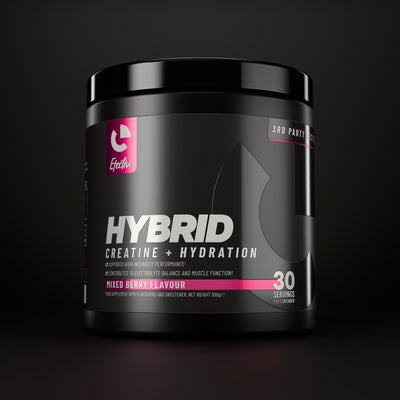
Magnesium is another important mineral involved in normal muscle and nerve function. A varied diet can provide magnesium through foods such as leafy greens, nuts, seeds, wholegrains and legumes. While magnesium is essential for health, taking additional magnesium is not automatically a solution for exercise-associated cramps if dietary intake is already adequate. Our Hybrid Creatine + Hydration combines magnesium with creatine for a convenient dual-purpose supplement.
Other Key Electrolytes to Consider
Beyond sodium and magnesium, potassium and chloride also contribute to normal fluid balance and muscle and nerve function. Potassium is widely available through foods including bananas, potatoes, dairy products, beans and vegetables. Chloride is commonly consumed alongside sodium in the diet. A comprehensive electrolyte product can be useful when training demands make convenient replacement difficult, but it should complement rather than replace a balanced diet. Browse our full hydration supplement range to find the right option for your training.
How to Stay Hydrated During Training
Assessing Your Sweat Rate
Understanding your individual sweat rate is a useful step in developing a hydration strategy. Factors such as exercise intensity, environmental conditions and individual physiology all influence how much fluid and sodium you lose through sweat.
A simple field assessment can help estimate fluid loss. Weigh yourself before and after a typical training run, keeping track of how much you drink during the session. The change in body mass, alongside fluid consumed and urine losses where relevant, provides an estimate of how much fluid you lost. Repeat this in different conditions because sweat rate can change considerably between a cool winter run and a hot summer session.
Estimate your sweat rate
Record body mass before and after training, note your fluid intake and compare the results. Use the information as a starting point rather than a rigid prescription, then adjust based on conditions, duration and how you respond.
Choosing the Right Electrolyte Drink
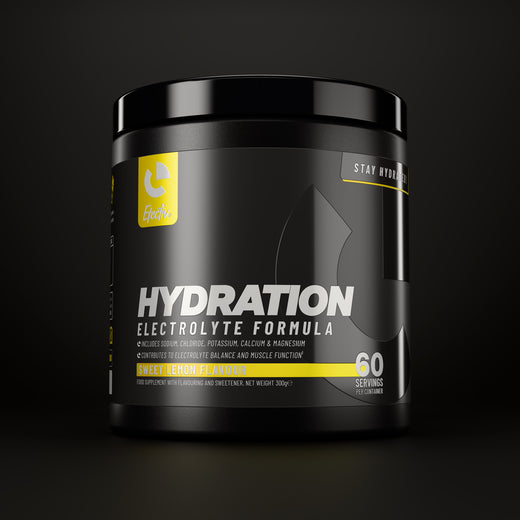
Selecting an appropriate electrolyte drink is important for longer or sweat-heavy sessions. Different products contain very different amounts of sodium and other electrolytes, so check the nutrition panel rather than assuming every sports drink provides the same level of hydration support. Shop our EFECTIV Hydration Electrolytes for a clearly labelled option.
For shorter, easier sessions, plain water alongside normal meals may be sufficient for many runners. As duration, heat and sweat losses increase, an electrolyte drink can become more useful, particularly when sodium losses are substantial. For intra-workout carbohydrate and electrolyte support during long sessions, also read our Intra Fuel product spotlight.
Practical Tips for Daily Hydration
Beyond individual training sessions, consistent daily hydration is important for runners. Don't rely exclusively on thirst when preparing for demanding training, but don't force excessive quantities of fluid either. Carry a water bottle, drink regularly throughout the day and use urine colour as one practical indicator of hydration status.
Your daily hydration baseline
Start hydrated, drink regularly, and allow your needs to increase when training volume, temperature or sweat losses rise. Your hydration strategy should support your training rather than become another performance target to obsess over.

Replacing Electrolytes After Exercise
When to Replenish Electrolytes
Replacing fluids and electrolytes after exercise is an important part of recovery, particularly after long, hot or sweat-heavy sessions. Your post-training strategy should reflect how much fluid and sodium you lost rather than relying on a fixed rule for every workout.
After a demanding session, start rehydrating promptly and continue drinking alongside meals and snacks. When substantial fluid losses have occurred, including sodium can help support effective rehydration. This is particularly relevant when you need to train again soon. Pair your electrolyte replenishment with a quality whey protein for complete post-session recovery, see our whey protein buying guide to find the right option.
Using Electrolyte Supplements Effectively
Electrolyte supplements can be a convenient way to replace minerals lost through sweat, especially during prolonged training, warm-weather sessions and race preparation. Look for a product with a clearly stated electrolyte profile and consider sodium content carefully because sodium is generally the most relevant electrolyte to replace in significant quantities during prolonged sweating. Shop our full hydration range to find the right product for your training demands.
Built around the demands of training
Efectiv Nutrition's electrolyte range can form part of a practical hydration strategy for runners, endurance athletes and hybrid trainers who need convenient electrolyte support around demanding sessions.
Natural Ways to Get Your Electrolytes
Electrolytes don't only come from supplements. A varied diet provides sodium, potassium and magnesium through everyday foods. Bananas, potatoes, dairy products, beans and vegetables can provide potassium, while leafy greens, nuts, seeds and wholegrains provide magnesium. Sodium can be replenished through normal meals and salty foods, particularly after sweat-heavy training.
Food sources
Bananas, potatoes, beans, dairy products, fruit and vegetables.
Food sources
Leafy greens, nuts, seeds, wholegrains and legumes.
Staying Hydrated on Race Day
Managing Pre-Race Hydration
Effective pre-race hydration is an important part of endurance preparation. In the 24–48 hours before a race, focus on normal, consistent fluid intake rather than trying to consume large volumes immediately before the start.
Your urine should generally be pale yellow, although urine colour can be affected by several factors. The evening before and morning of the race, drink alongside normal meals and consider an electrolyte drink if it forms part of the hydration strategy you've already practised in training. For pre-race fuelling tips, read our pre-workout guide.
During the Race: Hydration Strategies
During the race, a strategic approach to hydration can help you manage fluid and electrolyte losses. Your plan should account for expected duration, weather conditions, sweat rate and what you've practised during training.
For longer events, an electrolyte drink may be useful because it provides sodium alongside fluid. Rather than waiting until you feel significantly thirsty or dehydrated, use a consistent approach based on your rehearsed race strategy. Small, regular drinks are often easier to tolerate than taking a large volume at once. For intra-race carbohydrate support, see our Intra Fuel spotlight.
| Training situation | Hydration focus | Electrolyte consideration |
|---|---|---|
| Short, easy run | Start normally hydrated and drink to thirst as appropriate. | Usually low priority unless conditions or sweat losses are unusual. |
| Long run | Plan fluids around duration, weather and individual sweat rate. | Sodium becomes increasingly relevant as sweat losses accumulate. |
| Hot-weather session | Increase attention to fluid losses and cooling. | Consider electrolyte replacement, particularly sodium. |
| Half/full marathon | Use a race strategy rehearsed during long training runs. | Plan sodium and fluid intake around course conditions and sweat rate. |
Recovery Hydration Post-Race
Post-race recovery hydration is an important part of returning to normal fluid balance. After crossing the finish line, replace fluids gradually and include sodium through an electrolyte drink or normal food, particularly if the race involved significant sweating.
Pairing hydration with a recovery meal containing carbohydrates and protein can also support the broader recovery process. This is particularly useful when another training session is scheduled soon. For a full recovery protocol, read our recovery strategies guide.
Think beyond the finish line
Race recovery isn't just about the first drink. Keep replacing fluids across the following hours, eat a balanced recovery meal and allow your body time to restore fluid and energy balance.

Conclusion: Hydration, Electrolytes, and Performance
Consistent Hydration for Long-Term Success
Consistent hydration is not merely a race-day concern; it's a fundamental part of long-term endurance training. Making daily fluid intake a regular habit helps support normal physiological function, while an appropriate electrolyte strategy can help replace minerals lost through substantial sweating.
Whether you're building mileage for a half marathon, preparing for a marathon or combining running with demanding HYROX-style training, the aim is the same: start sessions appropriately hydrated, understand your sweat losses and practise your race-day strategy before competition. For a complete guide to hybrid training demands, read our hybrid athlete training guide.
Final Tips for Endurance and Recovery
Integrating Efectiv Products for Enhanced Hydration
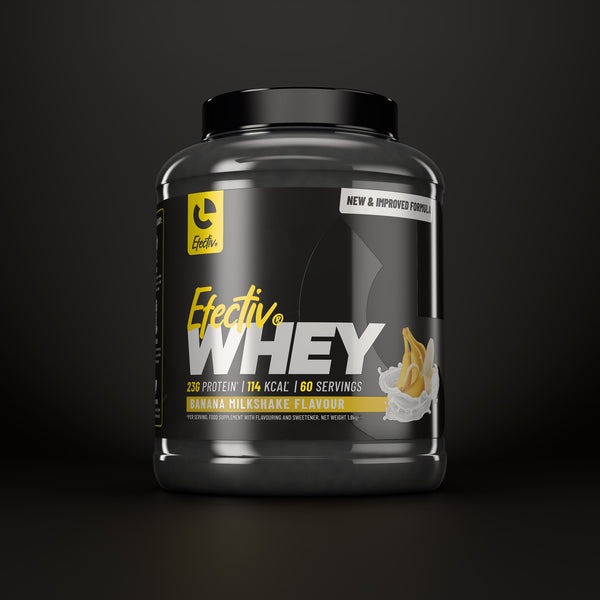
For runners and hybrid athletes who train hard and sweat heavily, electrolyte products can provide a convenient way to support hydration around demanding sessions. Efectiv's electrolyte hydration solutions are designed to complement an athlete's wider nutrition strategy, providing key minerals such as sodium, potassium and magnesium. Pair with a quality whey protein and creatine for a complete performance and recovery stack.
Build your hydration strategy around your training
The best hydration plan is one you understand, practise and can repeat. Match your fluid and electrolyte strategy to the session, environment and your individual sweat losses, then refine it as your training progresses.
Hydration & Electrolyte FAQs
Does dehydration cause muscle cramps? +
Which electrolyte is most important for runners? +
Should I drink electrolytes on every run? +
Is water enough for long runs? +
How can I estimate how much I sweat? +
Should I use electrolytes after running? +
Hydrate smarter. Train harder.
From early morning miles to marathon training and HYROX sessions, build a hydration strategy around your sweat rate, training demands and race goals. Explore our full hydration range to get started.
Every dose on the label.
The products this guide mentions.