


Your ideal protein intake depends on your body weight, activity level and goals. This guide explains how much protein runners and active people may need, how to calculate your target, and how to hit it consistently through food and supplements.
Understanding your protein intake is fundamental for any runner looking to optimise performance, recovery and overall health. Whether you're hitting early morning miles before work, tackling long Sunday runs or building up your weekly mileage for a half marathon, getting enough protein is crucial.
How much protein do active people need?
Many active people and runners may benefit from roughly 1.4–2.0g of protein per kilogram of body weight per day, depending on training intensity, recovery demands and goals.
Quick calculation
Multiply your body weight in kg by your target protein range. A 70kg runner using 1.4–2.0g/kg would target approximately 98–140g per day.
Understanding Protein Intake
What Is Protein and Why Do We Need It?
Protein is a vital macronutrient made from amino acids. For runners, protein plays a role far beyond building muscle. It supports muscle repair after strenuous training, immune function, and the production of enzymes and hormones involved in normal body function.
Muscle repair
Protein supplies amino acids that help repair muscle tissue after hard training.
Training adaptation
Consistent intake supports the processes that allow your body to adapt to repeated training.
More than muscle
Dietary protein also contributes to enzymes, hormones and normal immune function.
How Much Protein Do You Need?
Determining how much protein you need doesn't need to be complicated. For active individuals and runners, requirements may be higher than for sedentary adults because training increases the body's need for muscle repair and recovery.
A useful starting point for active individuals is around 1.4 to 2.0 grams of protein per kilogram of body weight per day.
| Body weight | 1.4g/kg | 1.7g/kg | 2.0g/kg |
|---|---|---|---|
| 55kg | 77g | 94g | 110g |
| 60kg | 84g | 102g | 120g |
| 70kg | 98g | 119g | 140g |
| 80kg | 112g | 136g | 160g |
| 90kg | 126g | 153g | 180g |
Factors Influencing Protein Needs
Several factors affect how much protein you need per day. Body weight, activity level and training intensity are among the most important. Someone training heavily for a marathon may have different requirements from someone completing a few casual runs each week.
- Higher weekly training volume.
- More intense training sessions.
- Resistance training alongside endurance work.
- Muscle gain goals.
- Periods of calorie restriction or weight loss.
- Greater recovery demands.
Using a Protein Calculator
How to Calculate Your Protein Intake
A protein calculator gives you a practical daily target rather than leaving you to guess. The simplest method is to use your body weight in kilograms and multiply it by your chosen protein target.
Protein calculator formula
Body weight in kg × protein target in g/kg = grams of protein per day.
60kg runner
60 × 1.4 = 84g
60 × 2.0 = 120g
Target range: roughly 84–120g per day.
70kg runner
70 × 1.4 = 98g
70 × 2.0 = 140g
Target range: roughly 98–140g per day.
80kg runner
80 × 1.4 = 112g
80 × 2.0 = 160g
Target range: roughly 112–160g per day.
Interpreting Your Results
Your result should be viewed as a useful range rather than one rigid number. If you're undertaking demanding marathon training or focusing on muscle preservation during a calorie deficit, you may choose to aim towards the higher end.
Someone with lighter training demands may be comfortable nearer the lower end. The most important factor is finding an intake you can maintain consistently.
Common Misconceptions About Protein Calculators
One misconception is that higher protein targets are only relevant to people trying to build large amounts of muscle. For runners, adequate protein supports muscle repair, recovery and muscle preservation, not simply hypertrophy.
Sources of Protein
Knowing your protein target is useful, but the foods you use to reach it matter too. High-quality protein provides the amino acids needed for muscle repair and recovery.
Animal Protein vs Plant-Based Protein
Complete proteins
Foods such as meat, poultry, fish, eggs and dairy naturally provide all nine essential amino acids.
Plenty of options
Lentils, beans, tofu, quinoa, nuts and seeds can all contribute meaningfully to daily protein intake.
Think across the day
A varied diet makes it easier to consume a broad range of amino acids and nutrients.
Good Sources of Protein for Different Diets
| Animal-based | Plant-based | Convenient options |
|---|---|---|
| Chicken breast | Lentils | Protein shakes |
| Turkey | Chickpeas | Protein bars |
| Salmon | Black beans | Greek yoghurt |
| Eggs | Edamame | High-protein snacks |
| Greek yoghurt | Firm tofu | Protein powder |
Incorporating Protein Powder and Supplements
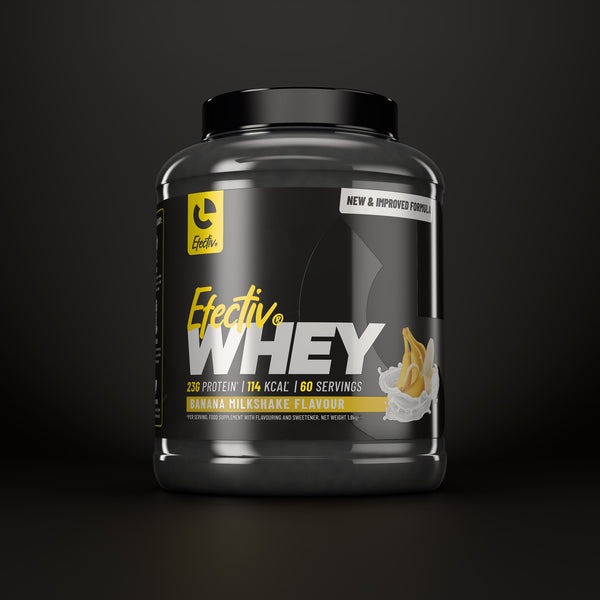
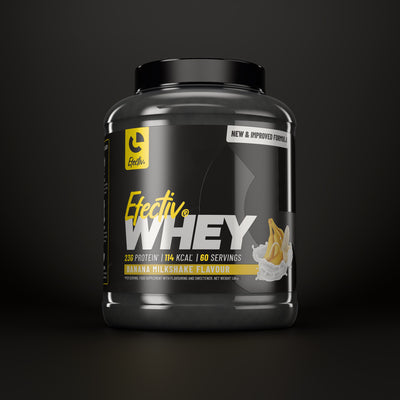
Whole foods can form the foundation of your diet, while protein powder offers a convenient way to increase protein intake when training schedules are demanding or you struggle to reach your target through meals alone.
A protein shake after training can provide an easy serving of protein without requiring another full meal. Plant-based runners can use options such as soy or blended plant protein powders.
Getting Enough Protein
Daily Protein Goals for Active Individuals
For active people, establishing a realistic daily protein target can make nutrition much easier. Once you know roughly how many grams you need, you can spread that intake throughout the day rather than trying to consume it all at dinner.
Spread your protein across the day
- Breakfast: eggs, Greek yoghurt or a protein shake.
- Lunch: chicken, fish, tofu, beans or lentils.
- Snack: yoghurt, a protein bar, nuts or a shake.
- Dinner: another substantial protein source alongside your meal.
How to Eat More Protein Throughout the Day
Increasing your protein intake doesn't need to mean dramatically changing your diet. A strategic approach involves adding a meaningful source of protein to each meal and snack.
Distributing protein throughout the day can also make a higher daily target much easier to achieve than relying on one or two very large servings.
Signs You May Not Be Getting Enough Protein
Possible signs of insufficient protein intake may include persistent fatigue, slower recovery, reduced strength or loss of muscle mass. These symptoms can have many causes, so they shouldn't automatically be assumed to mean protein deficiency.
Look at the full picture
Recovery is affected by your entire nutrition plan, sleep, training load and overall energy intake. Protein is important, but it works alongside the rest of your routine.
Protein Myths and Facts
Getting Too Much Protein: Is It Possible?
It's possible to consume more protein than you actually need, but that doesn't mean an appropriately high-protein diet is inherently problematic for healthy active people.
The goal should be to consume enough protein to meet your training and recovery requirements rather than simply pushing intake as high as possible.
Will Protein Make Runners Bulky?
Protein alone doesn't automatically create large increases in muscle mass. Significant muscle gain typically requires a combination of resistance training, sufficient calories and a training programme specifically designed to stimulate hypertrophy.
Protein is only for bodybuilders
Runners also need protein to repair muscle and recover between demanding training sessions.
More is always better
Once your needs are being met, simply adding more protein isn't automatically more beneficial.
Consistency matters
Meeting your target consistently across the week is more useful than occasionally having extremely high-protein days.
The Role of Protein in Muscle Building
Protein supports muscle building, but for endurance athletes its role in repair and recovery is particularly important.
Hard training creates stress within muscle tissue. Consuming enough dietary protein supplies amino acids that contribute to muscle protein synthesis and the repair processes that help you adapt to training.
Quick FAQs
How do I calculate how much protein I need? +
How much protein does a 70kg person need? +
Do runners need more protein? +
Do I need protein powder? +
Is plant protein enough? +
Make your protein target simple
Calculate your range, spread your intake across the day and use convenient protein options when they help you stay consistent.
Every dose on the label.
The products this guide mentions.