


Hybrid Training for Beginners: How to Build for Your First Race
Hybrid training blends strength, endurance and functional conditioning into one system. If you're training for your first hybrid or HYROX-style race, this guide shows you how to train with structure, confidence and long-term progress in mind.
There's no doubt you've seen the rise of hybrid training. From CrossFit athletes adding longer runs, to endurance athletes learning to lift, hybrid performance has become the new benchmark for fitness.
But for beginners, hybrid training can feel confusing. How much running is enough? How heavy should you lift? And how do you avoid burning out before race day even arrives? For a structured 8-week approach, see our hybrid training programme guide.
The answer isn't doing more — it's doing the right work, in the right order, with recovery built in. This guide breaks that down step by step.

What hybrid training actually means
Hybrid training is the intentional combination of strength training and endurance work. Rather than specialising in just one domain, the hybrid athlete develops capacity across both.
That means squatting, hinging, pushing and pulling — while also running, rowing or cycling. The goal isn't maximal strength or elite endurance in isolation, but usable fitness that holds up under fatigue.
Events like HYROX have accelerated the rise of hybrid training because they demand repeated transitions between running and functional strength. You need to be strong, fit and resilient — not just good at one thing. If you're deciding between HYROX and CrossFit, see our CrossFit vs HYROX guide.

Beginner hybrid training should prioritise repeatability over intensity. Your best session is the one that allows you to train again tomorrow. Support your training with the right nutrition — browse our HYROX supplements range to find products built for hybrid performance.
How to structure your training week
Each training day has a clear purpose.
The biggest mistake beginners make is blending everything into every session. Instead, hybrid training works best when each day has a primary focus.
Strength-focused days
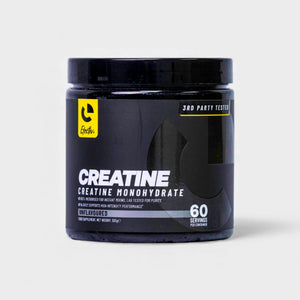
Strength days should centre around compound lifts that build usable power: squats, deadlifts, presses and rows. Volume should be moderate, with clean technique. Creatine is one of the most effective supplements for supporting strength output and recovery between sessions — take it daily for best results.
Endurance-focused days
Endurance sessions build your aerobic base. These should feel controlled — you should be able to breathe through your nose and hold conversation. This base is what allows you to recover faster between race efforts. For guidance on how to pace your easy runs correctly, see our 80/20 running rule guide. Fuel these sessions with adequate protein to support muscle repair and adaptation.
Hybrid sessions
Hybrid sessions teach pacing, transitions and fatigue management. These are not "all-out" workouts — they are practice for race conditions. Keep on top of hydration and electrolytes during these sessions, especially when combining running with functional work.

Beginner hybrid training week (first race build)
| Day | Focus | Key work |
|---|---|---|
| Monday | Lower strength | Back squat · RDL · Lunges · Core |
| Tuesday | Aerobic base | 30–45 min easy run or bike |
| Thursday | Upper strength | Bench · Row · Shoulder press · Pull-ups |
| Saturday | Hybrid conditioning | Run + sleds, wall balls, burpees |

How to progress safely as a beginner
Progression in hybrid training is about gradual exposure, not constant intensity. Increase only one variable at a time — weight, distance, reps or density.
For strength, aim to add small amounts of load every 1–2 weeks. For endurance, extend duration before increasing pace. Hybrid sessions should remain controlled until closer to race day. Support your recovery with a night-time recovery supplement to protect sleep quality and help your body adapt between sessions.

Build hybrid fitness that lasts
Hybrid training rewards patience, structure and consistency. Train with intent, fuel properly and let progress compound. When race day arrives, make sure your nutrition is dialled in too — see our HYROX race day nutrition guide for a complete fueling strategy.


Leave a comment
This site is protected by hCaptcha and the hCaptcha Privacy Policy and Terms of Service apply.