



CrossFit, hybrid training, and HYROX all build serious fitness, but they do it in different ways. If you want clarity on structure, goals, weekly programming, and what each method rewards, this page breaks it down in plain English.
Understanding the training methods
Before you pick a lane, you need clean definitions. These three styles overlap, but they are not the same thing.
Constantly varied fitness
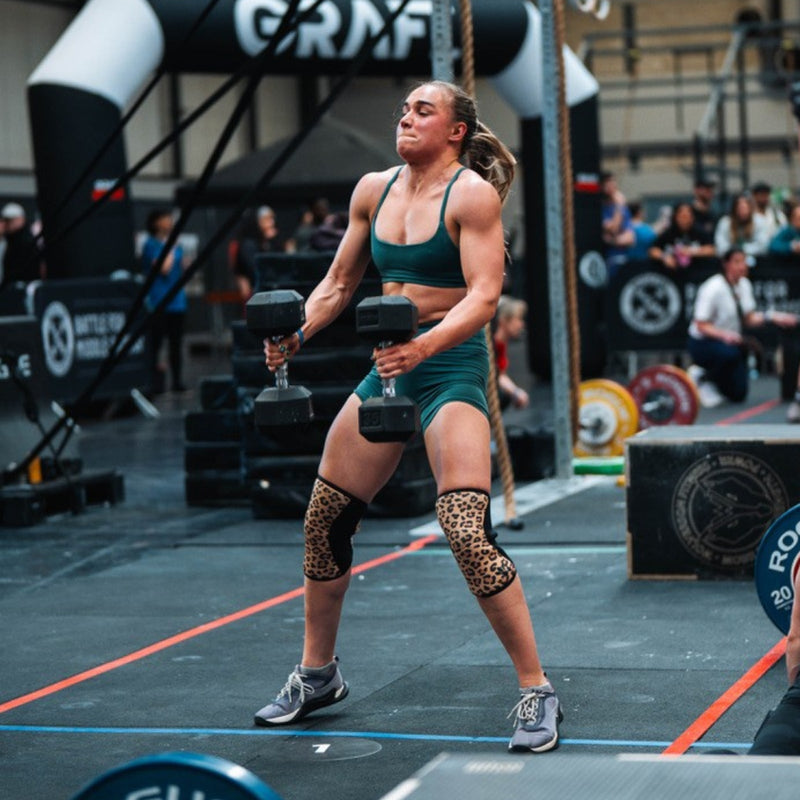
High-intensity training combining weightlifting, gymnastics, and cardio. Most sessions include warm-up, skill work, then a WOD (workout of the day) performed for time or reps. Explore our CrossFit hub for training guides and supplements.
Strength + endurance, structured
A planned blend of strength training and aerobic work. Usually periodised, with dedicated strength days and dedicated running/cycling/swim days. The goal is to improve both, without burning out. Explore our range of supplements for hybrid athletes to support this kind of training.
Race-specific conditioning
Training designed to prepare for HYROX competition: 8 × 1km runs, each paired with a functional station. HYROX rewards pacing, transitions, and repeatable output under fatigue.

Comparing the fitness goals
The "best" method depends on your goal. If you pick the wrong tool, you will feel like you are working hard with little progress.
Fitness goals of CrossFit athletes
CrossFit athletes tend to chase general physical preparedness. In practice, this means being capable across a wide range of tasks: lifting, sprinting, longer workouts, bodyweight skills, and awkward combinations under fatigue. The community and competitive gym atmosphere is often part of the appeal.
Goals of hybrid athletes
Hybrid athletes want a balanced blend: meaningful strength numbers and strong aerobic capacity. The difference is structure. Hybrid training usually has a clear weekly plan so you can progress strength while building endurance without constantly guessing what comes next. For a beginner-friendly structure, see our hybrid training program. If you're also considering other hybrid fitness events, our HYROX vs ATHX comparison is worth reading alongside this guide.
HYROX competitor objectives
HYROX is performance on a fixed race format. HYROX competitors want a better time, smoother transitions, and more consistent outputs (also see what happens at a HYROX event). Your training therefore focuses on running efficiency, station proficiency (sled push/pull, burpee broad jumps, row, SkiErg, wall balls), and pacing that does not spike too early (see our HYROX race format guide and HYROX training plan).
CrossFit vs sled push
CrossFit vs Sled Push Key Differences:
- Training Style: CrossFit is a full training system combining strength, cardio, and gymnastics. Sled push is a single exercise focused on lower-body power and conditioning.
- Joint Impact: Sled pushes are low-impact with minimal joint stress, making them more knee-friendly than many CrossFit movements.
- Muscles Worked: Sled pushes mainly target quads, glutes, hamstrings, calves, and core. CrossFit trains the full body across multiple movement patterns.
- Cardio & Strength: Both improve conditioning. Sled pushes build explosive leg strength and endurance, while CrossFit improves overall fitness and work capacity.
- Best For: CrossFit suits all-round fitness. Sled pushes are ideal for leg drive, acceleration, and low-impact conditioning.

CrossFit vs Hybrid vs HYROX at a glance
Use this table to quickly match the method to your preferences and constraints.
| Category | CrossFit | Hybrid training | HYROX training |
|---|---|---|---|
| Structure | Constantly varied WODs | Planned weekly split + periodisation | Race-specific stations + running |
| Best outcome | All-round fitness and skills | Strength numbers + aerobic base together | Faster race time + smoother pacing |
| Progress tracking | Benchmark WODs, lifts, skills | Clear progression in lifts + mileage | Splits, transitions, station times |
| Cardio style | Often mixed inside WODs | Dedicated easy + tempo + intervals | Intervals + race pace control |
| Risk if done wrong | Too much intensity, too often | Overtraining from doubling up hard days | Going out too fast, failing transitions |

Training techniques in focus
All three methods build strength and conditioning. The difference is how they organise stress, intensity, and progression.
CrossFit: strength and endurance mixed inside the same session
CrossFit often blends a strength element (like squats or Olympic lifts) with a conditioning piece (the WOD). This creates broad fitness, but it can be harder to push maximal strength or build a deep aerobic base if every session feels like a test.
Hybrid training: balance with intent
Hybrid training is usually cleaner to progress because you can separate hard days and easy days. For example, you might lift heavy on Monday, do an easy zone 2 run on Tuesday, then do tempo work later in the week. This structure helps you build strength without sacrificing endurance, or vice versa. Fuelling this kind of training well matters too, our guide on the best supplements for hybrid athletes covers what to prioritise across a hybrid training week.
HYROX: specific fitness for a fixed challenge
HYROX training is hybrid training with a very clear finish line. You practise the stations, the run pacing between stations, and the transitions. The fitter you are, the more it becomes a game of pacing and efficiency rather than "who can suffer the most". See our HYROX training guide for a full breakdown.
Fuel the engine
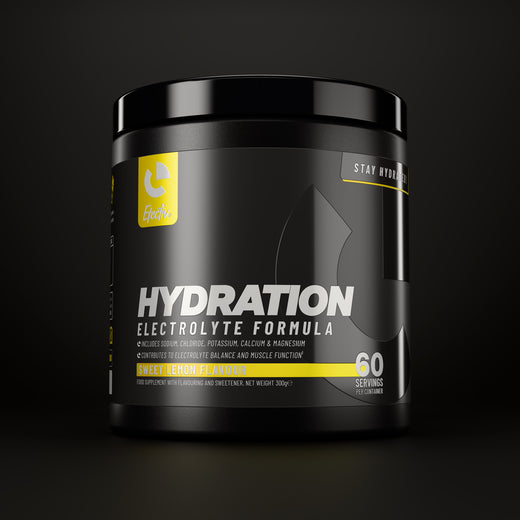
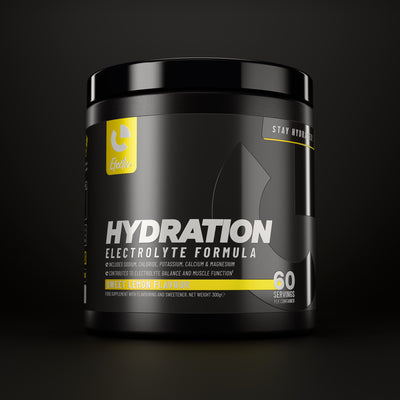
Hydration + Energy is five electrolytes with 100mg natural caffeine from green coffee, in one scoop. Carb Powder is a 2:1 dextrose and fructose blend for longer sessions. For more on fuelling around competition, see our HYROX nutrition guide.


Common misconceptions and mistakes
Most people fail these methods because they mismanage intensity and recovery, not because the method "does not work".
"CrossFit and hybrid training are the same"
They overlap, but they're not identical. CrossFit is constantly varied and skill-heavy. Hybrid training is structured and periodised. If you want predictable progress on strength and running, hybrid is often simpler to manage.
Hybrid athletes overtrain by stacking hard days
The fastest way to stall is doing heavy legs and hard intervals back-to-back. Hybrid training works best when you alternate hard and easy days and protect sleep (see night powder) and calories.
HYROX is "just fitness"
HYROX is specific. You need station proficiency, transition skill, and pacing discipline. Many first-timers go out too fast, then haemorrhage time late in the race. Read our HYROX event day guide to know what to expect.
Cardio matters in all three
CrossFit often hits cardio through WOD intensity. Hybrid training builds cardio with dedicated sessions. HYROX uses cardio as a race engine: controlled running and repeatable outputs under fatigue. Keeping your hydration dialled in is non-negotiable across all three.

How to structure your training
Use these as templates. The big idea is to match the plan to the outcome you want, and protect recovery.
CrossFit weekly split (general fitness)
3 CrossFit classes + 1–2 low-intensity cardio sessions (zone 2) + 1 dedicated strength focus day if you want better lifts. Keep at least one true rest day.
Hybrid weekly split (balanced performance)
3 strength sessions (compound lifts + accessories) + 3 endurance sessions (easy, tempo, intervals). Avoid stacking heavy legs the day before hard running. See our hybrid training program for a full week-by-week structure.
HYROX weekly split (race-specific)
2 station-focused sessions + 2 running quality sessions (intervals + tempo) + 1 longer easy run + 1 strength maintenance day. Practise transitions and pacing, not just suffering. Our HYROX running training plan gives you a full schedule.
A simple rule: if you are constantly exhausted, you are not "training hard", you are training poorly. Consistency beats hero sessions. If your nutrition is dialled in, your sleep is good, and your plan is structured, progress comes quickly. (This is exactly where performance-led supplementation can support training quality without you relying on stimulants every session.)
Strength that carries over
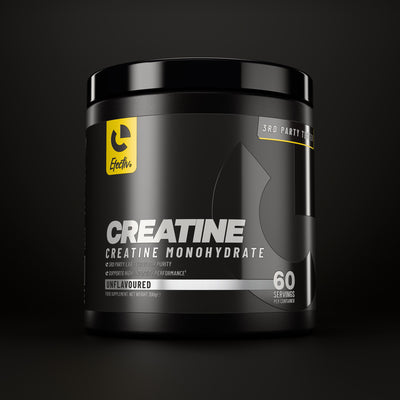
Creatine increases physical performance in successive bursts of short-term, high intensity exercise, relevant to all three methods. Creatine Monohydrate is 5g of micronised creatine per serving. Read our guide on creatine for high-intensity training to understand how to time it effectively.

Who should choose which method?
Choose based on what you enjoy and what you want to measure. If you pick the method you can stick to, you will win.
You want variety and community
You enjoy group training, varied workouts, and skill development. You want to feel "fit" in lots of ways and you like the gym culture. Browse our CrossFit supplement hub to support your training.
You want structured progress
You want measurable strength improvements and better endurance. You like plans, you like progression, and you want consistency. Start with our hybrid athlete training guide.
You want a race target
You like the idea of a fixed test. You enjoy running plus functional work, and you want a clear metric: your finish time. See our HYROX supplements range to prepare properly.
Recover, whichever you choose
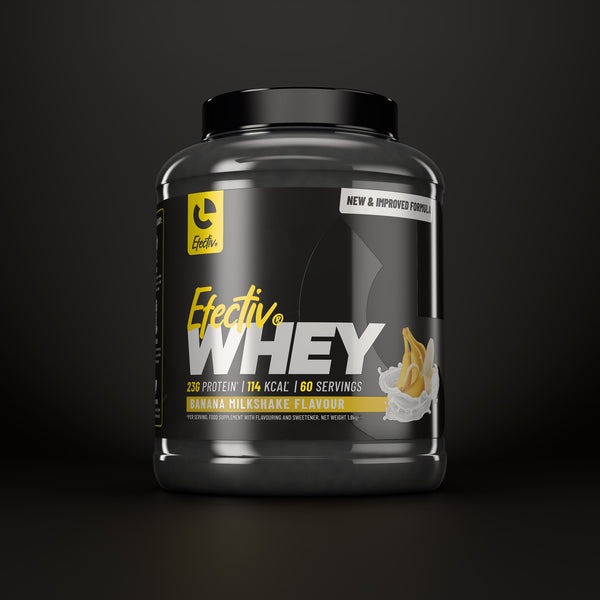
Protein contributes to the growth and maintenance of muscle mass. Whey Protein delivers 23g of protein per 30g serving.

Keep going with related guides
If you want to go deeper, these pages help you build a better plan, understand the race formats, and train with more intent.
Frequently Asked Questions
What's the difference between CrossFit and hybrid training?
CrossFit is a defined methodology built around constantly varied, high-intensity functional movement performed in a class setting. Hybrid training is a broader approach that intentionally combines two or more disciplines, typically strength and endurance, programmed to develop both without one cancelling out the other.
Is CrossFit a form of hybrid training?
Sort of, but not quite. CrossFit blends strength, cardio, and gymnastics in short workouts, which makes it hybrid-flavoured. True hybrid training is more deliberate, you're following a structured plan to peak in two distinct disciplines (e.g. powerlifting and marathon running) rather than chasing a daily WOD score.
Which builds more muscle: CrossFit or hybrid training?
Hybrid training usually builds more muscle because it includes dedicated strength blocks with progressive overload. CrossFit develops impressive work capacity and lean mass, but the constant variation makes targeted hypertrophy harder. If muscle is the goal, hybrid wins; if all-round fitness is, CrossFit holds its own. Support muscle growth with protein powder and creatine.
How is HYROX different from CrossFit?
HYROX is a fixed race format, eight 1km runs alternated with eight functional stations (sled, burpees, lunges, etc.), so you train for a known event. CrossFit is unpredictable by design, with workouts changing daily. HYROX favours endurance athletes; CrossFit favours all-round generalists. Read our HYROX race format guide for the full breakdown.
Can you do CrossFit and hybrid training at the same time?
Yes, and many athletes do. The trick is managing recovery: CrossFit already taxes multiple systems, so layering serious endurance or strength work on top requires structured periodisation, deload weeks, and proper nutrition, particularly carbs around training and protein for repair.
Which is better for fat loss: CrossFit or hybrid training?
Both work, but for different reasons. CrossFit creates a high calorie burn in short sessions thanks to intensity. Hybrid training drives fat loss through higher total weekly volume and a stronger metabolic base from the endurance side. The best one is the one you'll actually stick to.
What supplements help with CrossFit and hybrid training?
The essentials are the same: creatine for strength and recovery, a carb-led pre-workout for sustained energy, whey or blended protein for muscle repair, and electrolytes for high-sweat sessions. Avoid stimulant-heavy pre-workouts that spike then crash you mid-WOD. See the Efectiv CrossFit Stack →