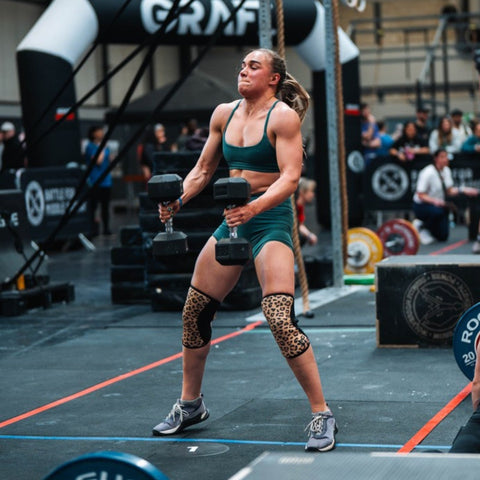



I love CrossFit because it ticks so many boxes at once. Strength, conditioning, skill and community all wrapped into short, sharp sessions that feel as close to sport as gym work gets.
Built for UK CrossFit athletes who want to lift heavier, move faster and recover better.
What CrossFit actually is in simple terms
CrossFit is a high intensity training style that blends strength work, conditioning and skill into one powerful mix. Instead of having separate cardio days and weights days, you get workouts that feel athletic, varied and surprisingly fun.
When I think about CrossFit, I picture barbells, dumbbells, machines and bodyweight movements all working together. Squats, deadlifts and presses meet rowing, running and the bike. Then you layer on gymnastics, Olympic lifts and the odd sandbag or sled for good measure.
Sessions are usually built around WODs, short for workout of the day. These can be strength focused, engine based, or a spicy combination of the two. You train to be ready for whatever turns up on the whiteboard, which is what makes CrossFit so useful for everyday life.
The key thing is that CrossFit uses functional movements performed at intensity. You learn to move better, you build serious work capacity, and you get a level of fitness that carries over to sport, work and day to day life. For a full breakdown of the supplements that support this kind of training, see our guide to the best supplements for CrossFit athletes.
How CrossFit changes your body and performance
Here is how I break down the main benefits of CrossFit when I talk to athletes, busy parents or anyone who wants more from their training than just a pump. Research shows that training 3 to 5 times per week produces optimal results for strength and body composition changes.
Serious strength that still feels athletic
Squats, deadlifts, presses and Olympic lifting variations build full-body strength. Because CrossFit programmes power as well as raw strength, you learn to move weight with intent rather than just grinding out slow reps. Neural Adaptations. In the first 4 weeks, strength gains can occur due to the nervous system learning to recruit muscle fibres more efficiently, rather than just from increased muscle size.
- Stronger legs, glutes and back for lifting in and out of the gym.
- Better power for sprinting, jumping and sport.
- Improved confidence under the barbell.
Fitness that actually carries over to real life
Mixed modality conditioning sessions train your heart, lungs and muscles together. You build the kind of engine that lets you push hard on the rower, chase kids round the park and still walk up stairs without feeling wiped out.
- Improved aerobic base and repeat sprint ability.
- Better ability to handle intense efforts at work or sport.
- Less puffed out doing everyday tasks.
Moving better, not just more
Gymnastics skills, overhead work and Olympic lifting all demand quality positions. Over time you become more mobile and coordinated, which makes heavy lifting safer and everyday movement feel smoother.
- Improved shoulder, hip and ankle mobility.
- Better coordination and body control.
- Confidence to try new movements and progressions.
More mental toughness and stress relief
There is something powerful about getting through a tough WOD with other people. You learn how to stay composed under fatigue, manage nerves and prove to yourself that you can do hard things.
- Mental resilience that carries over to work and life.
- Built in stress relief after a long day.
- Sense of achievement several times a week.
Training that does not feel like a chore
Classes, coaches and friendly competition make it easier to stay consistent. It is a lot harder to skip a session when people notice if you are not there.
- Coaches to guide your technique and pacing.
- Training partners who push you in a good way.
- Social side that makes the box feel like a second home.
More from 60 minutes than most get all week
A typical CrossFit class includes a warm up, skill or strength piece and a conditioning workout. You walk out having ticked multiple boxes in one session rather than piecing it together yourself.
- Clear structure so you do not waste time thinking what to do.
- Measurable progress with benchmark workouts and lifts.
- Easy to fit into a busy schedule.
What your body needs to keep up with CrossFit
CrossFit places a big demand on your muscles, nervous system and recovery. Here is how I think about matching training stress with the right support so you can keep performing at your best.
How CrossFit stresses the body
Heavy lifts, high rep barbell cycling and intense conditioning pieces all draw on your strength, power and energy stores. You are asking a lot from your body across the week, which is why fuelling properly makes such a difference.
- Strength sessions demand high quality protein to rebuild muscle. See our whey isolate vs whey protein guide to find the right option.
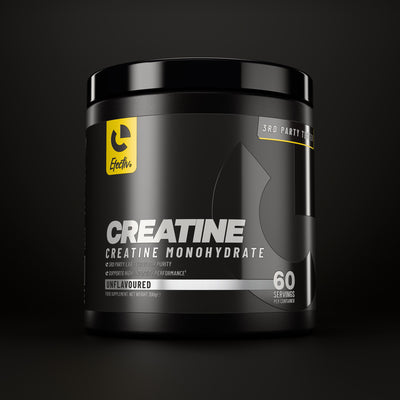
- Olympic lifting and heavy barbell work rely on creatine for CrossFit and stored energy.
- Conditioning WODs can empty your glycogen and leave you feeling flat if you under fuel.
- Back to back sessions make recovery nutrition even more important.
- While a WOD might hit cardio, many CrossFit boxes dedicate 10-20 minutes to specific strength work (e.g., 5-5-5-5-5 back squats).
- 60-70% might be the portion of training that is focused on Olympic weightlifting and powerlifting to build raw strength.
Key supplement support for CrossFit athletes
I always start with food first, then layer supplements on top to make hitting the basics easier. Here is how our CrossFit specific ranges fit in.
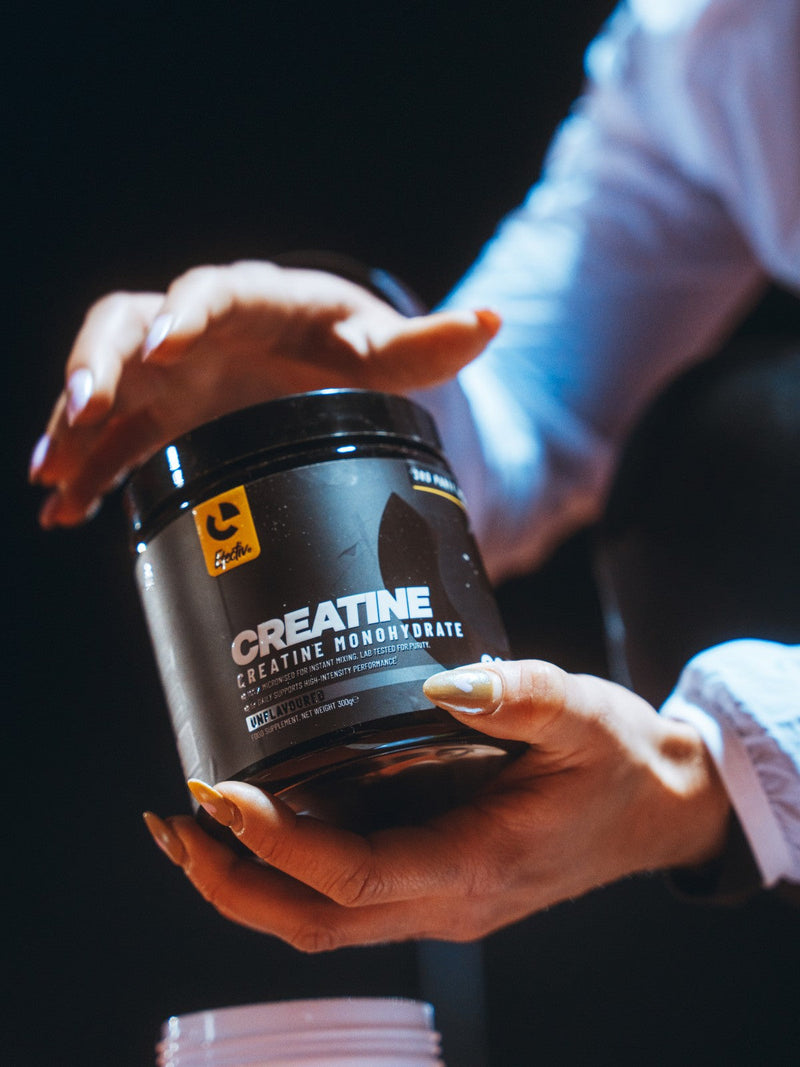
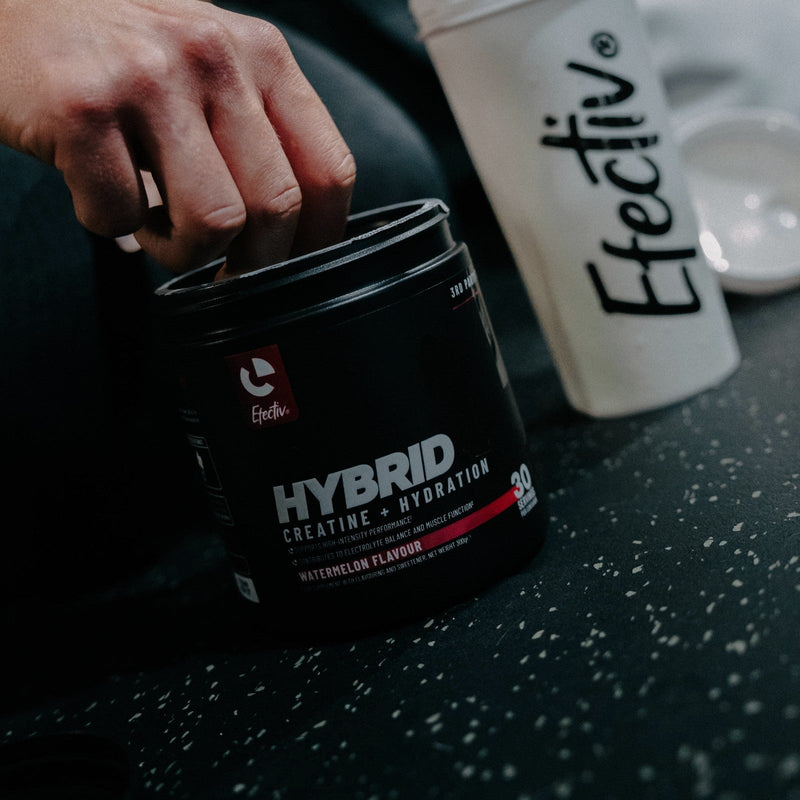
- Creatine to support power output and strength.
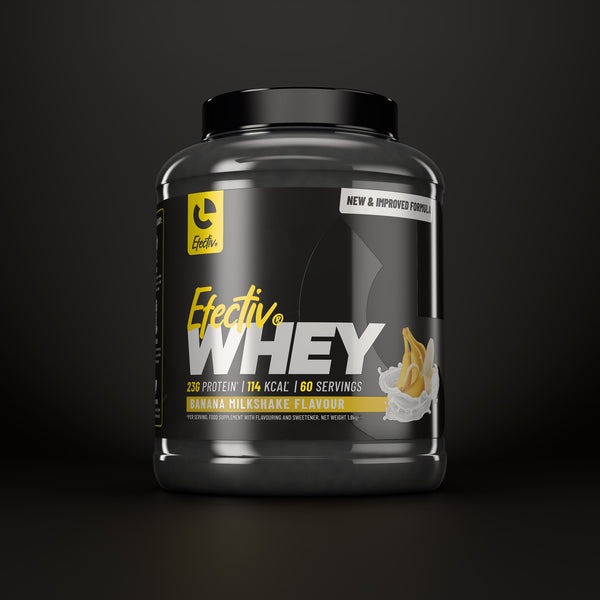
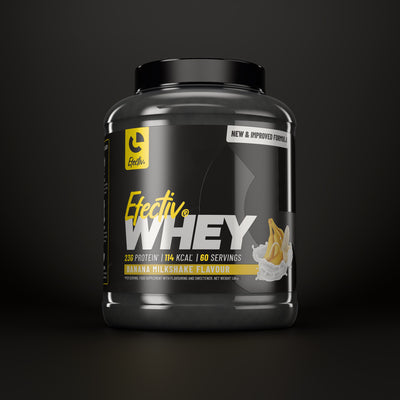
- High quality whey to hit daily protein targets without overthinking meals.
- Pre workout for focus and energy in the toughest WODs.
- Recovery products to help you turn up ready to train again tomorrow.
CrossFit compared with a traditional gym split
There is no single perfect way to train, but it helps to see how CrossFit stacks up against a more typical weights and cardio split. If you also run or do endurance work alongside CrossFit, the 8-week hybrid training programme shows how to structure both effectively.
CrossFit box
Performance focused- Coached sessions that blend strength, conditioning and skill.
- Community and friendly competition to keep you consistent.
- High intensity work that improves real world fitness.
- Programming taken care of so you just turn up and train.
- Great option if you enjoy being coached and training with others.
Traditional gym split
Muscle focused- More control over exercise selection and pace.
- Easier to focus purely on muscle gain or specific aesthetic goals.
- Can feel repetitive without a clear plan or partner.
- Cardio and strength work often get separated or skipped.
- Great option if you prefer training solo with headphones on.
How I would approach CrossFit if I were starting this month
If you are CrossFit curious and based in the UK, here is how I would keep things simple for the first few months so you build momentum without feeling overwhelmed.
Pick a box and commit to two or three classes a week
Look for a CrossFit affiliate with experienced coaches, sensible class caps and a good on ramp for beginners. Consistency matters more than smashing yourself five days in a row and vanishing.
Focus on technique before chasing the whiteboard
It is tempting to race every workout. I would start by learning movement patterns, scaling sensibly and asking coaches for feedback. Strength and times will come as your technique improves. For tips on avoiding the most common training mistakes, see our guide on how to train smart and avoid overtraining in CrossFit.
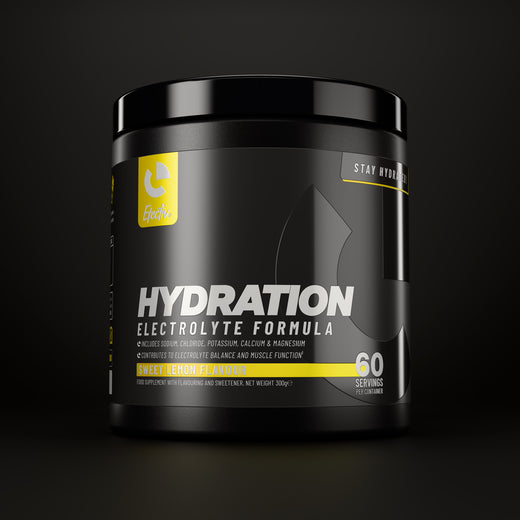
Dial in the basics of food, sleep and hydration
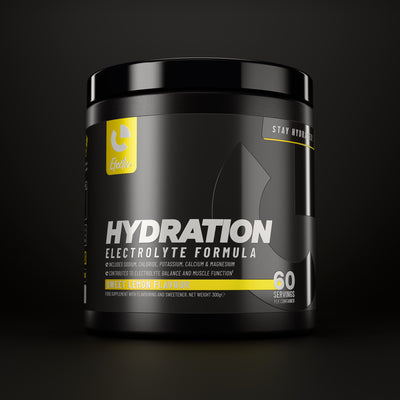
Aim for regular meals with a good source of protein, carbs around sessions and plenty of water. Once that is in place, it is easier to see where supplements can genuinely help rather than papering over gaps. Supporting sleep quality with a night-time recovery supplement can make a real difference to how you feel in morning sessions.
Layer in simple supplement support
I would usually start with a quality whey protein and creatine, then add a pre workout or recovery product if training intensity and frequency ramp up. Our dedicated CrossFit ranges make choosing that stack a lot easier. For a full overview of what each supplement does, see our best supplements for CrossFit athletes guide.
Track a few key numbers
Keep an eye on simple markers like sleep quality (see sleep powder supplement), energy in sessions, a handful of lifts and repeat benchmark workouts. You will quickly see how consistent training and better fuelling pay off.
Quick FAQ about CrossFit and supplements
Here are a few common questions I hear from UK CrossFit athletes and beginners when we talk about training, nutrition and supplements.
Is CrossFit suitable for beginners or do I need to be fit first?
Do I need supplements to get results from CrossFit?
What is the best type of protein for CrossFit athletes?
How important is creatine for CrossFit performance?
Is CrossFit a good choice if I train for general health and looking after my joints?
Ready to train harder and recover smarter?
If CrossFit is already part of your life, or you are about to start, I would love your training to feel properly supported. Explore our CrossFit hub for training insights, then build your own performance stack around your goals. See the full CrossFit supplement guide to get started.
Recommended CrossFit Guides
Boost your performance, recover smarter, and train with confidence.
Is Pre-Workout Safe for CrossFit?
Understand whether CrossFit athletes can safely use pre-workout and what to look out for.
Read guideCreatine Benefits for CrossFit Athletes
How creatine boosts strength, power output and overall training quality in CrossFit.
Read guideAvoid Overtraining in CrossFit
Simple strategies to prevent burnout and keep your performance progressing.
Read guideBuild Strength & Stamina
How to program your CrossFit sessions for maximum strength and endurance gains.
Read guideReduce Muscle Fatigue in WODs
Smart recovery tactics to help you maintain consistent output during intense sessions.
Read guideBest Supplements for CrossFit Athletes
A complete guide to the supplements that support strength, endurance, and recovery in CrossFit.
Read guide